
In 2026, changes are taking place in the manufacturing sector. There are many types of machining applications (i.e. aerospace, automotive, and tools) that require the highest quality surface finishes; especially since there is a significant amount of use of lightweight alloys, composite materials, and micro-components within traditional (non-automotive) industries.
For example, it’s no longer acceptable for manufacturers to create parts with poor edge rounding or surface finish; they will need to do so with precision in order to manufacture components such as battery cases for electric cars or high-precision medical implants.
Even with this push for precision manufacturing, conventional finishing processes continue to present many challenges to the manufacturer trying to finish a product quickly. Some challenges (that are also commonly associated with most manual deburring processes) include:
- Unscalable and costly.
- Poor edge rounding and surface finishes.
- Safety concerns (e.g., dust explosions).
- Poor hands-on quality assurance (when producing a large quantity of parts).
Choosing the right deburring machine manufacturer is critical for achieving consistent edge quality, reducing manual grinding work, and improving production efficiency.
To address these issues, manufacturers will need to implement deburring solution, New technology now exists and is being developed which, combined with AI, robotics, and precision engineering, increases the accuracy, safety, and scalability (speed) of production. The following is a ranking of the top 10 Deburring machine manufacturers in 2026 based on:
- Ability to innovate using technology
- Ability to offer global service support
- Reputation in the industry
This guide compares leading industrial deburring machine manufacturers and their solutions for metal fabrication, sheet metal processing, and automated finishing applications, the purpose of this article is to help you make an informed decision prior to purchasing from either a mass market
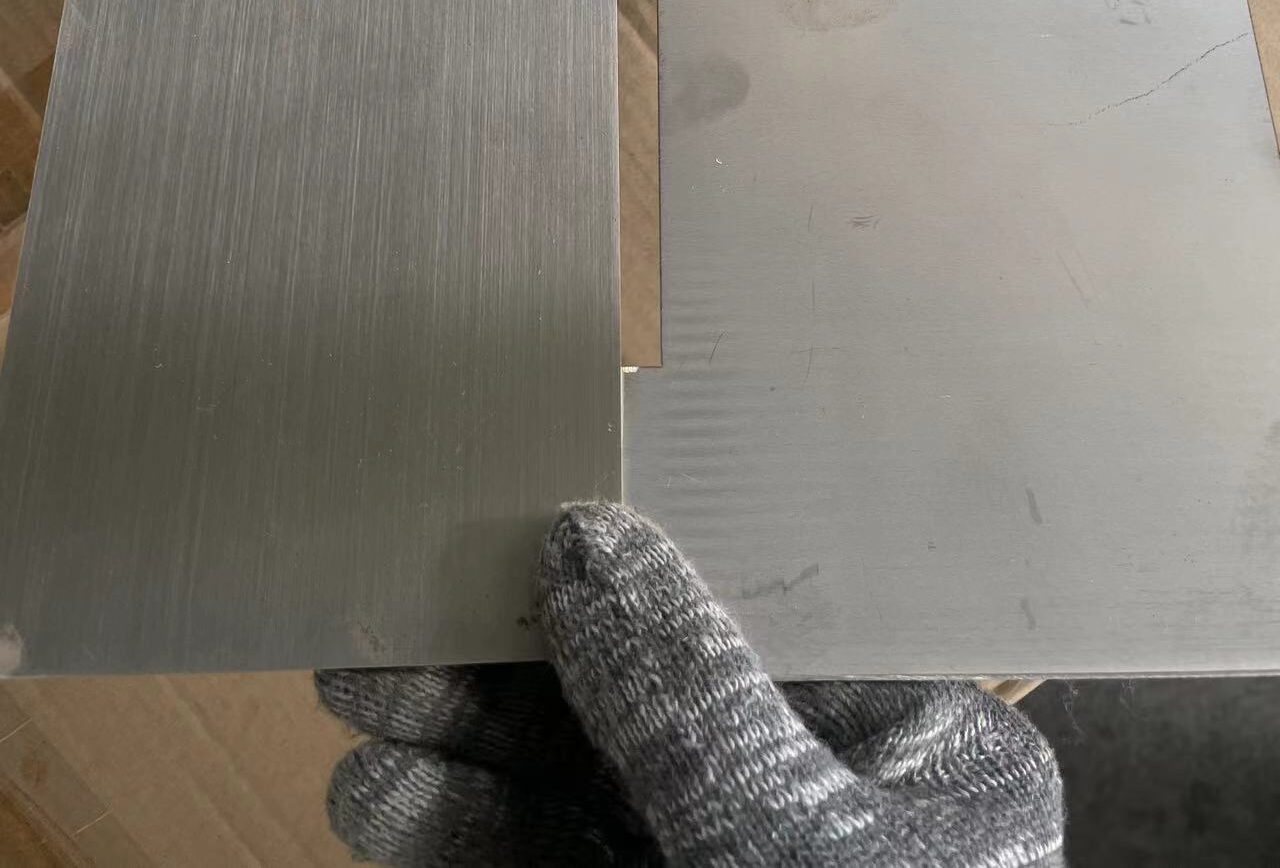
1. What Is a Deburring Machine?
A deburring machine is industrial equipment designed to remove burrs, sharp edges, slag, and surface imperfections from metal parts after cutting, machining, stamping, or fabrication processes.
2.Quick Answer: Who Makes the Best Deburring Machine?
There is no absolutely “the best” deburring machine manufacturer for every application,
The right choice depend on material, production volume, required edge quality, automation level, and overall manufacturing goals.
For automotive industry, the priority is speed, consistency, and full automation. automatic deburring machine and steel deburring machine is need
For automotive industry, manufacturers usually prioritize processing speed, consistency, and automation capability. Automatic deburring machines and integrated finishing systems are often preferred for stable production efficiency.
For medical, aerospace industry , surface quality and dimensional control are more critical than production speed. So precision deburring machines, wet deburring systems, and stainless steel deburring solutions are commonly selected.
For sheet metal fabrication, flexibility is important because parts may vary in size, thickness, and geometry. Industrial sheet metal deburring machines, CNC deburring systems, and dry deburring solutions can provide consistent edge finishing for different applications.
Modern smart factories increasingly require automated production, process stability, and easy integration with existing manufacturing lines. Therefore, the best deburring machine is the one that matches your specific production requirements.
Summary
In short, the best deburring machine is not defined by brand alone, but by the match between:
- Material
- Production volume
- precision
- automation
- Cost
This is why we compare the top global deburring machine manufacturers in this guide.
2.Quick Selection Matrix
There is a straightforward, data-driven comparison of some of the leading manufacturers’ technology, application and performance to allow buyers to rapidly compare all major features to select a supplier for surface finishing, edge rounding, or industrial abrasive finishing tooling.
The presentation is structured for easy scanning and/or AI extraction to identify suitable suppliers for your application.
| Manufacturer | Headquarters | Special Technology | Key Application |
| Rosler | Germany | Vibratory/Mass Finishing | Mass Production |
| Timesavers | USA/NL | Wide Belt Sanding | Sheet Metal |
| Loeser | Germany | Orbital/Tube Finishing | Medical Tubes |
| Lindenmeier | Germany | Planetary Brush Systems | Gears/Complex Parts |
| OTEC Precision Finish | Germany | Drag Finishing | Jewelry/Aerospace |
| Sugino Machine | Japan | High-Pressure Water Deburring | Automotive |
| ATI Industrial Automation | USA | Robotic Deburring Tools | Aerospace |
| Lapmaster Wolters | USA/Germany | Precision Lapping & Polishing | Optical/Medical |
| NS Máquinas | Portugal | Automated Metal Finishing | General Fabrication |
| ACETI Macchine | Italy | Abrasive Belt Finishing | Stainless Steel |
2.In-depth Analysis of Top 10 Manufacturers
This section presents a detailed evaluation of the main manufacturers of deburring machines regarding their technologies, strengths of their products and applications.
Each profile exhibits the primary capability to surface finish, to deburr and to use industrial abrasives that enables the end-users to assess capability, reliability and suitability according to their needs.
1. Rosler – Global Leader in Material Finishing
Rosler is at the forefront of mass finishing and surface finishing technologies. It has established itself as a market leader in finishing by using decades of mass finishing experience and becoming one of the most recognized brands in the world.
Key Technology:
The Rosler vibratory finishing system utilizes the latest technology, with advanced media separation technology and artificial intelligence-based process control.
Top Machine Series:
- RS series vibratory finishing systems
- AM Solutions additive finishing line
Pros
Excellent global support network
Consistency in production at a high volume
Cons
Initial investment in mass finishing technology is a sizable cash investment.
Example:
When we evaluated high-volume production configurations, Rosler boasts an impressive track record for producing stable surface finishes across numerous high-volume production applications; however, the capital required to implement a Rosler system was typically higher than other types of similar systems available today.
Best for: Throughout 20 years of manufacturing equipment, it has been our finding that robotic systems perform best in a completely automated system and where the need for consistency in radius at the edges is essential – examples of this include applications for metals and plastics where parts must maintain their original shape between machining and assembly operations.
2. Timesavers – Sheet Metal Finishing Specialist
For more than 30 years, Timesavers has been the top supplier of wide belt sanders starting with the first introduction of wide belt sanding to the sheet metal industry.
Technology:
Wide belt sanders can have multiple sanding heads, which allow for the use of interchangeable specialized sanding belts (abrasives).
Machines:
- 44 Series – Wide Belt Sanders
- 81 Series – Heavy Duty Wide Belt Sanders
Pros:
The ability to sand flat workpieces and high productivity.
Cons:
Limited capabilities to sand complex-shaped workpieces.
Best Uses: Sheet metal fabrication and also for auto body panels.
3. Loeser – Precision Tube Finishing Expert
Loeser is a manufacturer of tube and cylindrical turn components that are finished to high tolerances.
Technology:
The Loeser machines use Orbital Finishing technology to finish the Outside Edges of pipes and tube.
Types of Machines
- KS360 Tube Finishing Machine
- Centerless Grinding Systems
Pros
Extremely Accurate
Perfect Finish for Medical Use
Cons
Niche market machine
Best for: Manufacturer of tubing for medical/pharmaceutical applications.
4. Lindenmeier – Planetary Brush Innovation
Lindenmeier is known for being the expert in complex part finishing and offers excellent innovative brushing systems.
Technology:
Patented, planetary brush heads create uniform deburring.
Top Products Are:
- PBM-PB Planetary Brush Machine
Pros:
Can handle intricate geometries
Produces consistent product
Cons:
slow cycle times
Best for: Users who manufacture gears and complex machined components.
5. OTEC Precision Finish – High-End Drag Finishing
OTEC – an exclusive and leading brand specializing in ultra-precision finishing.
Key Technology:
Drag finishing with controlled motion for precise surface finishing.
Top of the Line Machine Series:
DF Series Drag Finisher.
Pros
Mirror-like finish.
Highly repeatable.
Cons
High-cost equipment.
Best for: Aerospace and luxury components.
6. Sugino Machine – Water Jet Deburring Specialist
A specialist company from Japan focusing on producing leading-edge technology solutions using water under high pressure.
Technology Offering:
Deburring using high-pressure water in order to efficiently remove burrs from inside and narrow, hard-to-reach edges.
Popular Product Models:
- JCC Series
Pros:
No thermal damage to component
Superior internal burr removal
Cons:
High consumption of electrical power
Industry that Disadvantages are Most Commonly Found in:
Best for: Components of an automotive engine.
7. ATI Industrial Automation – Robotic Deburring Systems
The leading technology supplier of robotic automation solutions.
Key Technology:
Robotic deburring systems utilizing force/technology based on AI.
Top Series of Machines:
Flex deburr Robotic Toolholders
Pros:
Complete Automation; High Precision
Cons
Needs Robo-Integration
Best For: Smart Factories / Industries 4.0.
8. Lapmaster Wolters – Precision Finishing Solutions
This company specializes in ultra-flat and precision-finishing processes.
Technology:
This includes lapping and polishing systems used to achieve micron-level accuracy.
Machine Lineup:
- Peter Wolters AC Series
Pros:
Very high precision
Very high-quality optics
Cons:
Very slow production rate
Best for: Medical device and semiconductor manufacturing.
9. NS Maquinas – Flexible Automation
A rapidly-developing producer (manufacturer) from Europe who produces automated finishing systems.
Core Technology:
The technology at the core of each machine is the modular system which can be used with many different types of industrial abrasive tooling.
Key Machine Series:
- DM1100 series
Pros:
Affordable
Many possible configurations
Cons:
No premium features
Best for: Medium-sized welding and fabrication shops.
10. ACETI Macchine – Stainless Steel Finishing Expert
An Italian company known for designing machines that can polish and remove burrs from stainless steel.
Key Technology:
Equipment that uses brushes or “industrial abrasive tools and belts to perform, “finishing.”
Popular Machines:
- ART Series Finishing Machines
Pros:
Excellent quality for decorative applications.
Reliable performance.
Cons:
Less automation than some other brands.
Best for: Kitchen equipment and stainless-steel fabrication.
3.Buyer’s Guide: How to Choose
Choosing a deburring machine isn’t just about looking at specs; it’s about matching the technology to your materials, part shapes and future running costs. The following guide will help you make informed, confident, data-driven choices.
Selection of Materials (Wet vs. Dry)
There are different finishing techniques for different materials.
Aluminum: Wet systems are the best way to process aluminum; they will reduce heat buildup, minimize distortion of the parts caused by thermal expansion, and control the dust generated by the industrial abrasives used to finish the part.
Stainless Steel: There are both wet and dry options for finishing stainless steel depending on whether you want a specific finished look and how fast you need to produce parts.
Titanium Alloys: Usually need to be finished in a controlled environment and the best method to finish is usually by using a wet system, as you will create edges that are rounded consistently.
Example:
We’ve always used aluminum parts and have found that using wet finishing processes yields consistent results with respect to both edge roundness of the part and thermal properties; this is consistent throughout our experience with Wet Finish.
Geometry Complexity
How you make your part effects how the deburring machine should be chosen.
Flat Parts: When making flat parts, your best options for surface finishing are typically with wide belt sanders, or brush machines. They are designed to give you consistent, efficient and uniform finish to your parts.
Complex Parts (i.e. parts with holes, gears): If the part you are making is complex and you need to finish it, you would be better off using a robot to finish your part or use a planetary brush deburring machine to finish the part as there will not be a way to access some edges to finish them properly.
Example:
With respect to high-speed automation systems, flat parts were produced with the highest quality surface finish when using wide belt sanders. In contrast, complex geometries required the use of robot systems in order to achieve precise edge radius.
Industry 4.0 Integration
Industries are moving into the next phase (Industry 4.0). This means that modern deburring machines aren’t just separate entities anymore; they can be incorporated into a robotic arm’s work cell.
The benefits of this integration include:
- The ability to process parts automatically.
- Better consistency and repeatability for output.
- Real-time visibility into the process and the ability to perform predictive maintenance on equipment.
Total Cost of Ownership (TCO)
When evaluating total cost of ownership (TCO), you should not only consider initial purchase price but rather evaluate the long-term costs:
- Cost of abrasives used in each industrial deburring machine.
- Conducting energy audits on each machine or company.
- Predicting the amount of maintenance and spare parts each machine will require over its lifetime.
Although an equipment may appear to be cheaper at purchase time, poor surface finishing performance may result in much higher operational totals later on down the road.
Example:
In our decades of machinery manufacturing a one consistent error we have seen companies make is looking at just the cost of the machine itself, without considering the total cost of ownership, which would include things like the consumption of industrial abrasive tools and the total cost of tool maintenance.
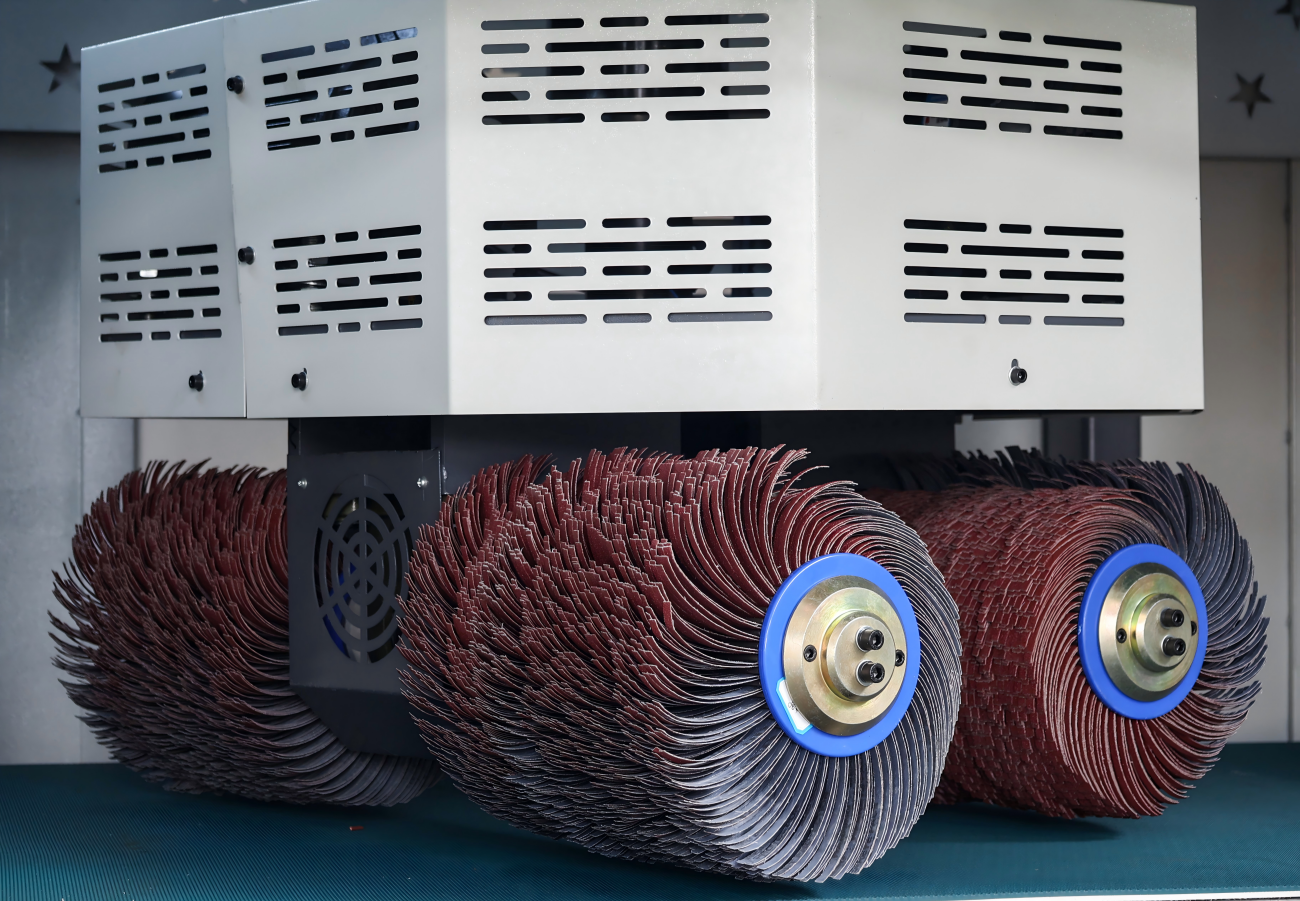
4.Future Trends 2026
As the deburring business continues to change, new technologies will influence the incoming future of surface finishing and edge rounding.
AI-Driven Feedback Loops
Newer generation equipment now employs sensors that monitor the surface roughness of parts as they are machined in real time.
- adjustments (auto): speed and pressure
- to provide consistent edge radius
- minimizes the amount of rework and material waste
Green Manufacturing
Sustainability is gaining traction as a vital manufacturing priority:
- efficient motors consume less energy
- closed-loop system reuses and purifies the cutting fluid(s) being used
- minimizes environmental impacts while offering high-quality surface finishes
Hybrid Solutions
Manufacturers are transitioning to systems that combine multiple processes into one cohesive unit.
- burr removal, cleaning and rust preventative action in the same machine
- reduced handling time leading to better productivity.
- ideal for high-volume production environments using industrial grade abrasive tools.
Selecting a best deburring machinery maker is no longer simply about getting the correct tool. It also involves guaranteeing that your long-term supply chain is stable and that your production processes are both ergonomically planned and yield consistently smooth surfaces.
Whether you select a worldwide company such as Rosler or Timesavers, or go with a small niche supplier such as OTEC or ATI, will depend upon your unique requirements for automated finishing equipment.
When you select the proper automated finishing systems for your business, you will see a marked boost in your overall quality of produce at reduced operating expenditures and a much greater commitment towards workplace safety.
Don’t know which one to choose yet? You can compare and see the machine customization of ARMPRE
👉 Just Have A See: High-Precision Wide Belt Sanders for Industrial Finishing: Your Top Supplier
FAQ
Q1: What Kind of Deburring Machines Exist in 2026?
▼
Deburring machines are available in a variety of configurations, but 5 types of machinery can be generally classified as follows:
- Vibratory finishing machines (including both barrel and tub style),
- Wide-belt sanding machines,
- Robotic deburring systems,
- Drag finishing machines
- High-pressure water-jet cutting machines.
Each of these various types of machines has its’ own technology for achieving the desired surface finish and edge radius for the various different industries that will require this type of finishing.
Q2: Is Dry or Wet deburring Recommended for Aluminum?
▼
When using aluminum as the base material for manufacturing parts, the general preference is to utilize a wet deburring process due to the fact that the wet type of operation minimizes heat build-up which produces a higher quality surface finish.
In addition, wet deburring reduces the amount of dust created from the use of industrial-type abrasive tooling and thus creates a much safer and more efficient work environment.
Q3: What is the Typical ROI for an Automated Deburring System?
▼
The typical return on investment (ROI) for a fully automated deburring system is between 12-24 months due to the reduction in labor costs associated with automated deburring systems.
Further, due to utilizing an automated deburring process, the consistency of edge radius, and overall surface finish will produce long-term savings.
Q4: Which Industry Utilizes the Most Automated Deburring Solutions?
▼
Due to the high-quality requirements associated with the aerospace, automotive, medical device, and precision manufacturing industries relative to edge rounding specifications and surface finishing quality, these industries would benefit most by the use of automated deburring solutions.
Q5: Can Deburring Machines Process Complex Parts?
▼
Yes, the new generation of deburring machines, such as robotic deburring systems and planetary brush deburring systems are designed specifically for processing complicated shapes while providing consistent surface finish quality and precise edge radii.
Q6: How do I choose the right industrial abrasive tools?
▼
Choosing the right for an industrial abrasives tool depends on the type of material being worked on, the desired finish, and the compatibility of the abrasive tool with the equipment being used to complete the project. It is essential to consider associated characteristics such as grit size, bonding type, and the method used to apply the abrasive to obtain optimal results.
Q7: Are automated deburring machines safe to operate?
▼
Yes, most current generation automated deburring machines come equipped with advanced safety features including: dust extraction systems; enclosed work areas; and explosion prevention systems.
Q8: What type of maintenance should I perform on my deburring units?
▼
Typical routine maintenance for a deburring machine includes: replacement of worn or damaged abrasive tools; cleaning of dust collection devices; and calibration of the machine to ensure consistent production of rounded edges and properly finished surface types.
Q9: Are there any deburring systems available that allow for integration with Industry 4.0?
▼
Yes, many of today’s automated deburring systems are available with the capability to integrate with Industry 4.0 technologies by providing connectivity via the Internet of Things (IoT), real-time performance data, and predictive maintenance, thus enabling the optimization of automated surface finishing processes.
Q10:Is it possible for small and mid-sized companies to afford automated deburring systems?
▼
Yes, several manufacturers have developed scalable and modular designs for automated deburring technology enabling small and mid-cap companies to invest competitively in automated surface finishing equipment.
Ready to elevate your production quality?
Investing in a high-quality sanding machine is a decision that impacts your manufacturing precision and efficiency for the next 5 to 10 years. Don’t settle for instability. Choose a reliable partner to secure your competitive edge in surface finishing.

About Joanna
As an industry specialist at ARMPRE, I focus on the technical evolution of industrial sanding and surface finishing. My goal is to bridge the gap between complex automation technology and practical manufacturing needs, helping clients achieve ±0.05mm precision and long-term ROI.