
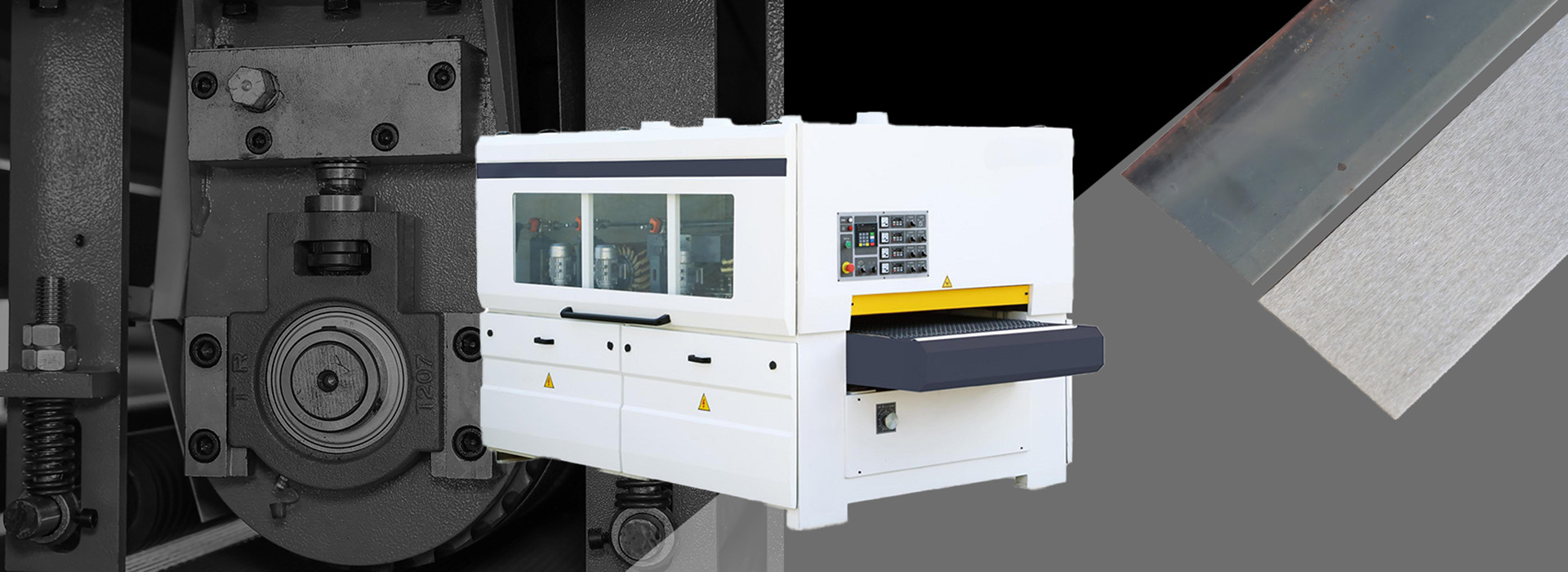
Automatic Wood Sanding Machine for High-Speed Panel Sanding and Continuous Production
- Calibrating Tolerances: Delivers consistent sanding thickness within ±0.1mm.
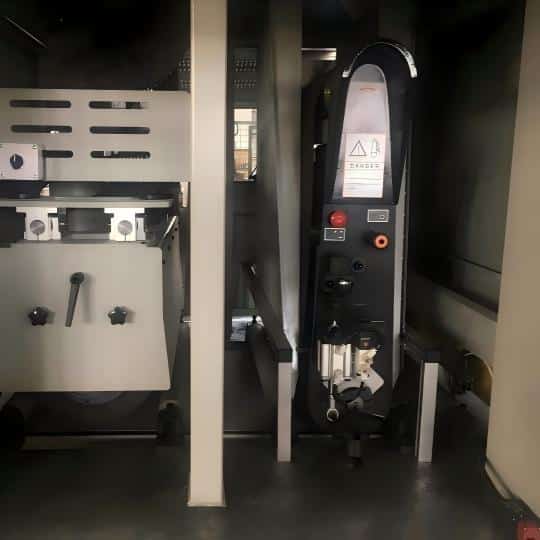
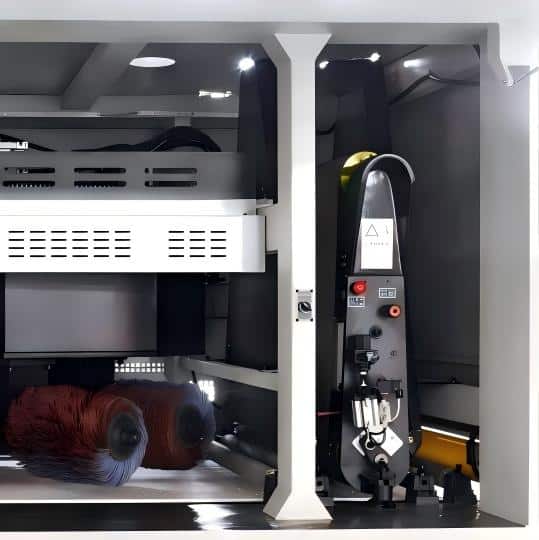
- Dual-Pod Processing: Combines rubber contact rollers and polishing platens for your heavy-duty work.
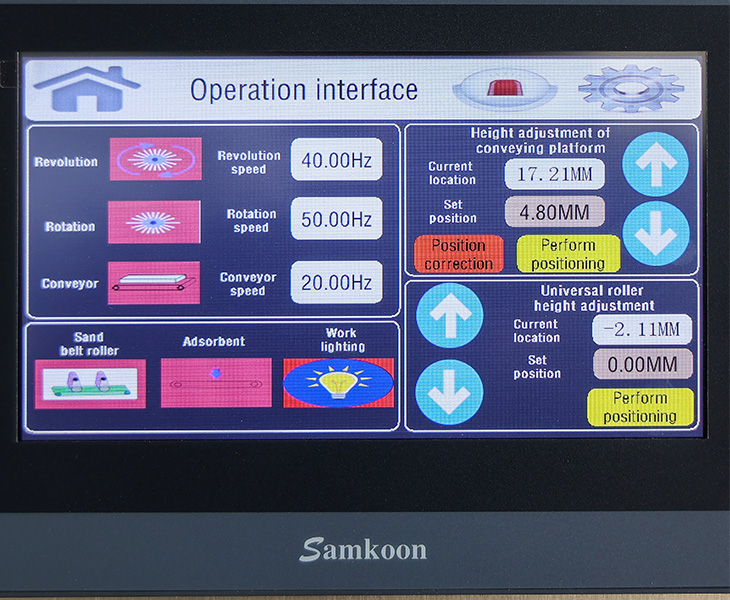
- Variable Feed Controls: Adjustable processing speeds from 5 to 25 m/min.
- Advanced Pneumatics: Adapting to uneven veneer variations with electronic segmented platens.
- Smart Safety Protocols: Automatically stop upon belt tracking faults or breakage.
- Vacuum Bed Ready: Secures your small workpieces firmly.
ARMPRE Automatic Wood Sanding Machine Solutions for Cabinet, Panel and Solid Wood Applications
Modern woodworking does not need hand-held sanders and stroke sanders due to low profitability and high labor costs. Manual sanding and deburring is easy to bring you unpredictable thickness variations and high reject rates. What’s more, it endangers your workers to hazardous dust. To get rid of those problems, ARMPRE is here to offer you the automatic sanding machine.
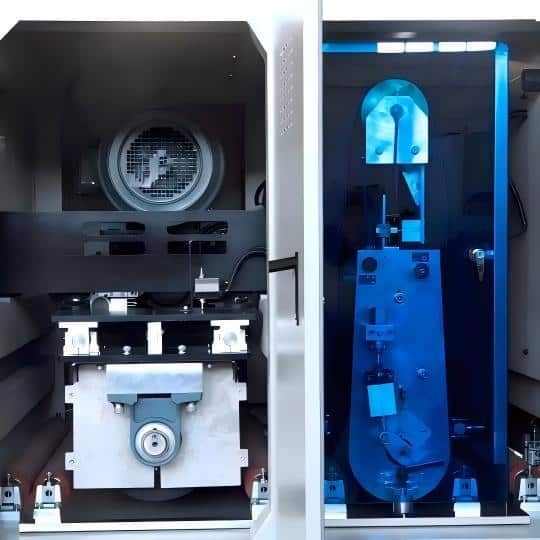
Built for 24/7 industrial duty work, our wood sanding machine transfers your facility into a standardized, high-throughput wood sanding ecosystem. With heavy steel drum calibration with fine-grit finishing platens, our automatic grit sequencing process handles your veneered panels, solid wood components, and MDF blanks in one single pass. Featuring a rigid, vibration-damping steel chassis and advanced pneumatic belt tracking, the wood sanders automatically process your wood with high precision and efficiency.
Cutting your labor costs, eliminating rework, and minimizing abrasive wear, our automated solutions can help you establish a reliable, standardized sanding process that maximizes your efficiency.
Automatic Wood Sanding Machine Models by Working Width and Wood Processing Requirements
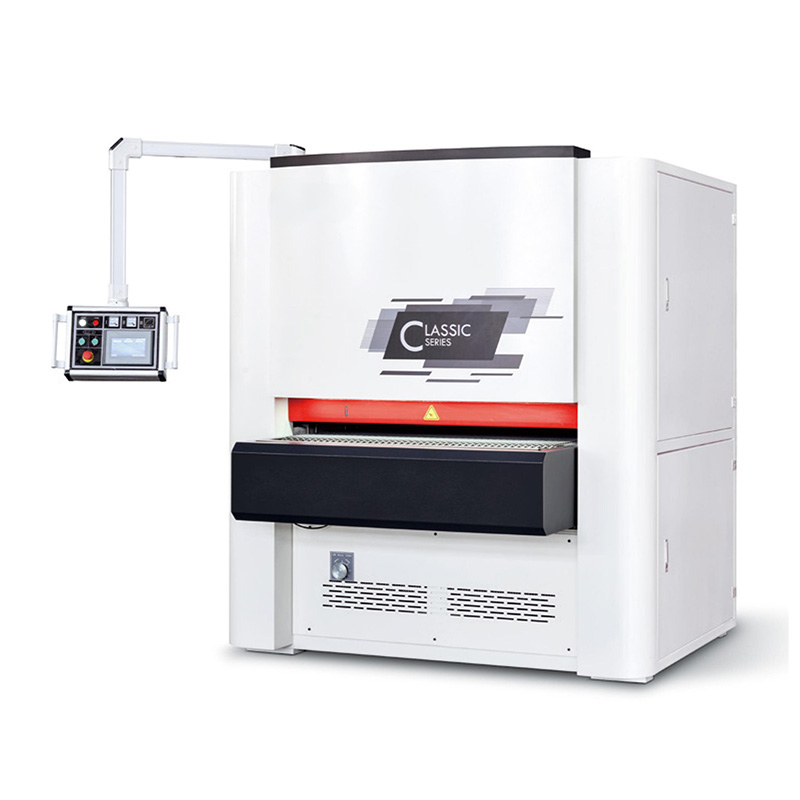
Built for custom cabinetry workshops and small-scale furniture plants, the automatic wood sanding machine delivers you rapid grit transitions and exact calibration, even for narrow and small parts.
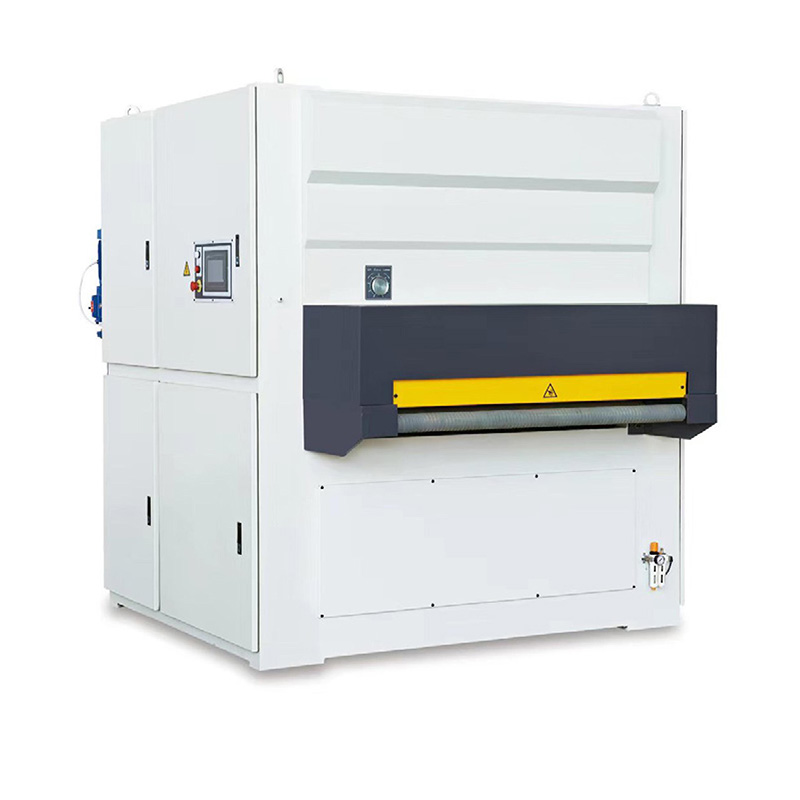
Constructed for mid-sized factories, the wood sanders are ideal for your architectural panels, door blanks, and high-volume solid wood furniture, and so on.
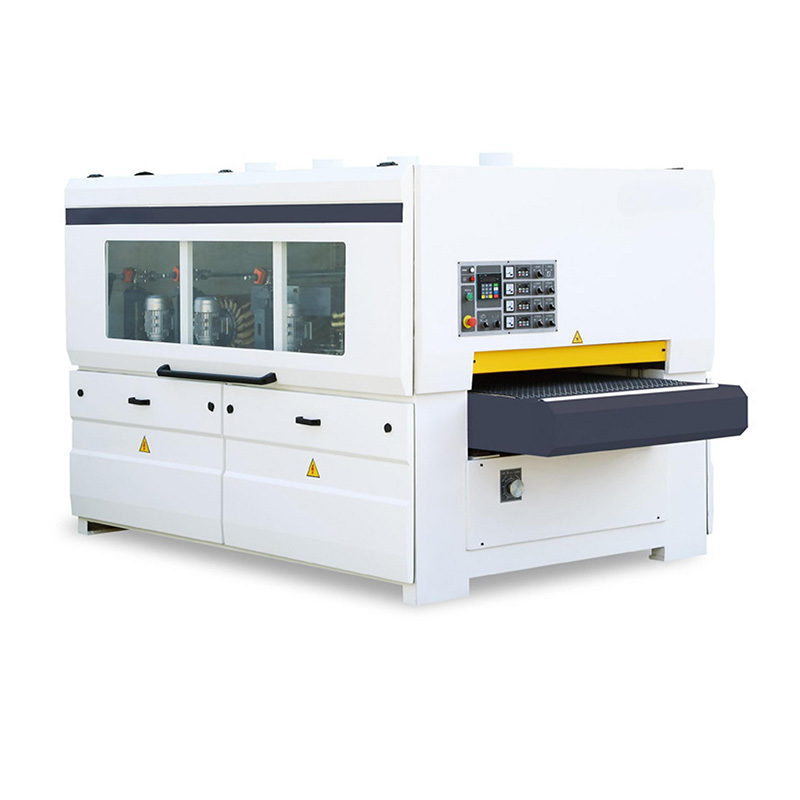
Engineered for large-scale panel manufacturers, the wood sanding machine is ideal for maximum-width sheet goods, commercial plywood, and high-density fiberboards.
Optional Accessories and Customized Sanding Configurations for Wood Processing
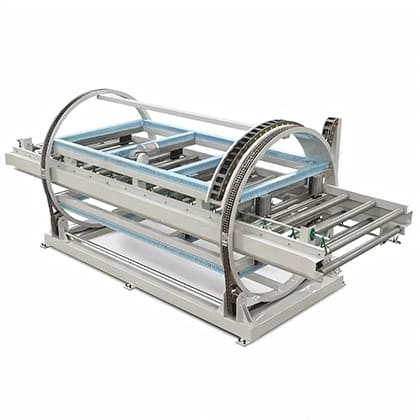
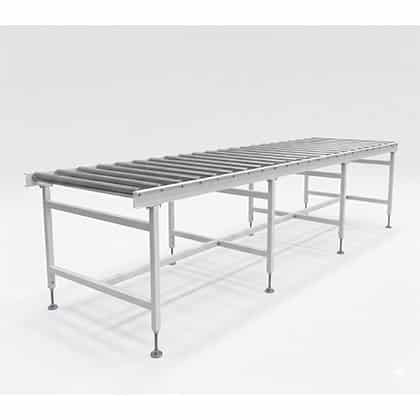
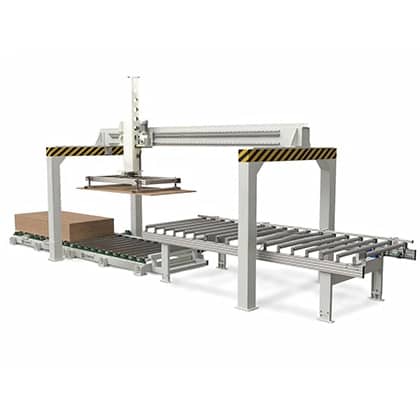
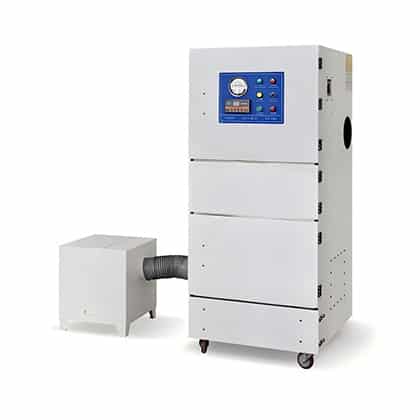
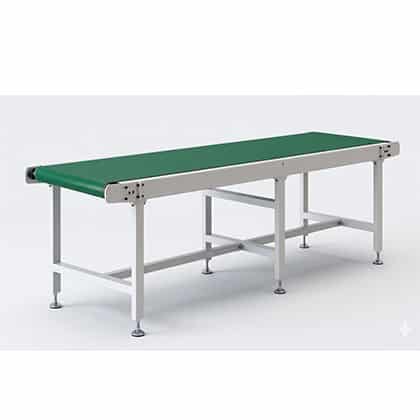
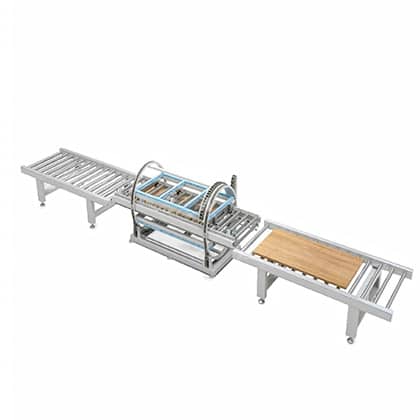
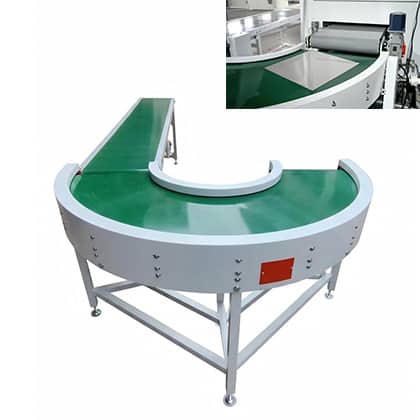
Wood Sanding Machine Processing Configurations and Production Options
Armpre series metal deburring machines to remove burrs, round edge, finish, remove laser oxide,remove surface rust,remove slag from welding or laser cutting.
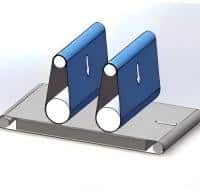
Pre-deburring
Deburring
or No.4 Finish
or Hairline Finish
or Polishing
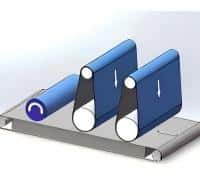
Pre-deburring
Deburring
No.4 Finish
or Hairline Finish
and Polishing
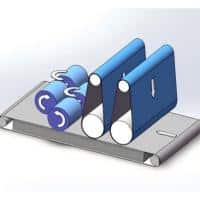
Pre-deburring
Deburring
No.4 Finish
or Hairline Finish
Edges Rounding
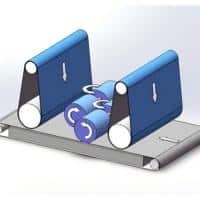
Deburring
Edges Rounding
No.4 Finish
or Hairline Finish
or Polishing
Why Choose ARMPRE for Industrial Wood Finishing Solutions
Engineering excellence and turnkey solutions designed to optimize your production efficiency.

Send us your workpiece; we deliver high-precision sample parts for your evaluation.

Join our global distribution networkand, unlock industrial-grade growth.

Expert engineering assistance from pre-sale selection to on-site commissioning.

Cloud-based troubleshooting and remote software updates for zero downtime.

Genuine replacement parts and custom tooling shipped quickly to secure production.

Access OEE analysis, cycle time estimates, and tailored production solutions.
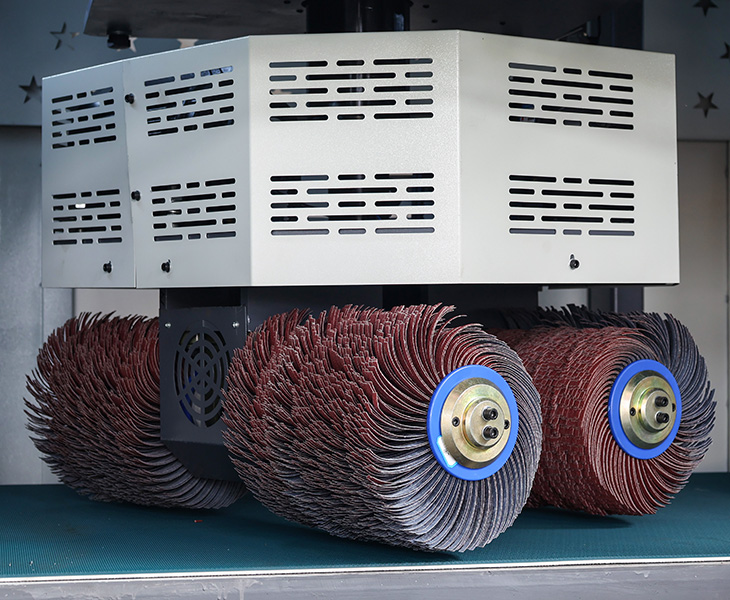
Dual-Head Configurations: Separating Heavy Calibration From Fine Surface Polishing
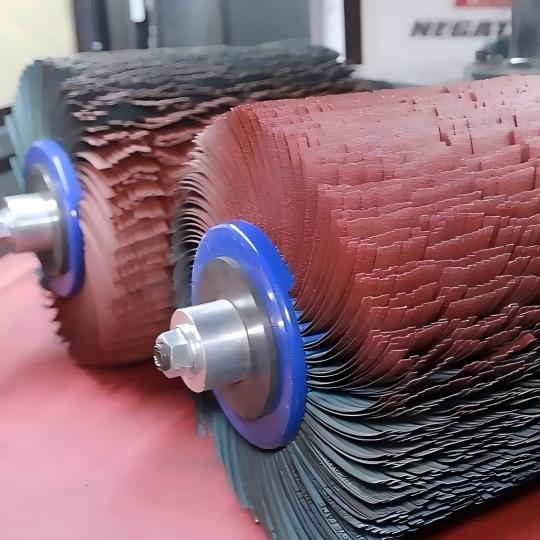
Our automatic wood sanding machine offers you a two-step approach to achieve true dimensional accuracy. Firstly, use the sanding heads with high-durometer steel or hard rubber contact roller to level the uneven joints, then calibrate the raw panel thickness. Secondly, applying a softer rubber roller with an electronically timed polishing platen to send rough-sawn lumber or glued panels into the platform. With one single pass, you can get a perfectly flat, finish-ready surface and preserve an extended abrasive life and reduced cycle times.
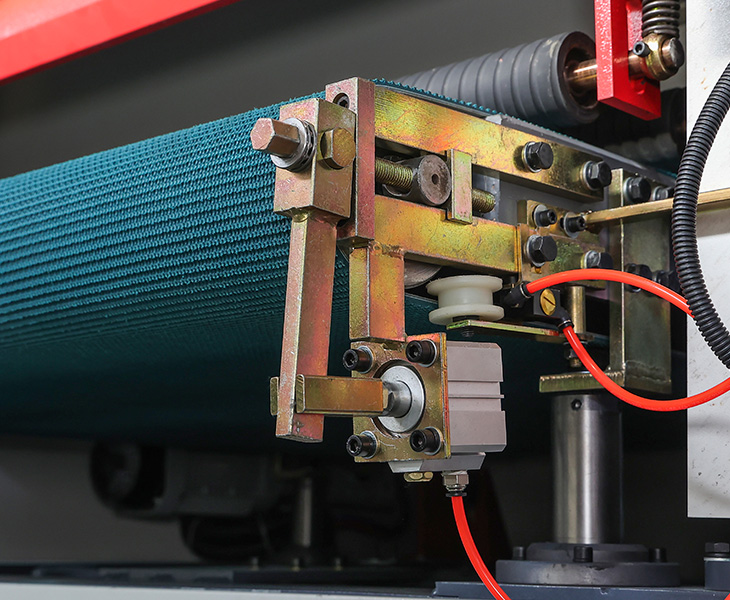
Microprocessor-Controlled Pneumatic Belt Tracking Extends Your Abrasive Lifespans
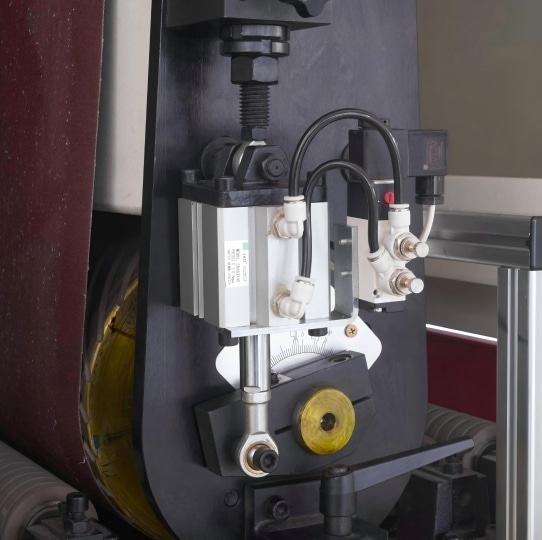
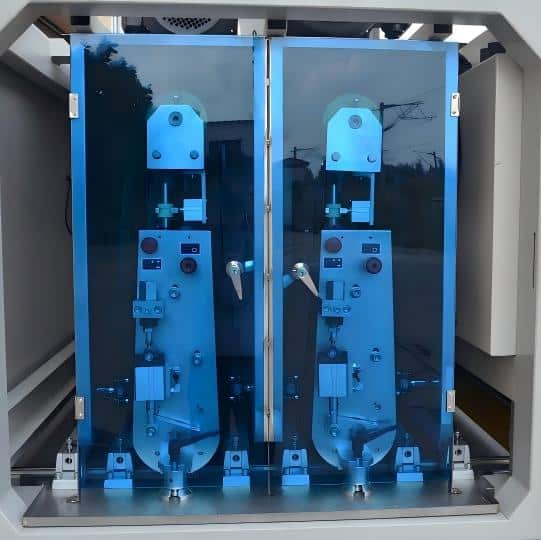
If you are facing heavy loads, the high-speed belts are prone to lateral drifting. This may lead to torn edges and ruined work. To prevent this, our systems are engineered to constantly monitor your belt alignment with electronic photo-electric sensors, then activate pneumatic cylinders to micro-adjust tracking oscillation. Our automatic wood sanding machine eliminates your sanding marks and extends the operational life by up to 35%.
Segmented Electronic Platens: Maximizing ROI On Sensitive Veneered Lines
When working on thin natural wood surfaces, traditional rigid rollers can easily wear through the edges and corners. Our automatic sanding machine uses segmented pressure plates that automatically detect and calculate the pressure required for each sanding stage. By avoiding fragile edges, the wood sanders prevent the sanding of warped or irregular surfaces, ensuring a zero scrap rate.
Technical Documents and Wood Sanding Machine Resources

Quem alienum reprimique at duo. Mea elit denique complectitur an, vis ullum quaestio assueverit in. Cum no accusam philosophia.

Quem alienum reprimique at duo. Mea elit denique complectitur an, vis ullum quaestio assueverit in. Cum no accusam philosophia.

Quem alienum reprimique at duo. Mea elit denique complectitur an, vis ullum quaestio assueverit in. Cum no accusam philosophia.
Watch Automatic Wood Sanding Machine Running in Real Production
Compare Sanding Performance, Specifications and Machine Features
Compare key features to find the right solution for your production needs
Rust & Oxide Removal, Uniform Deburring & Edge Rounding, Consistent Surface Finish in One Single Pass
Uniform Inner & Outer Edge Rounding, Consistent Surface Finishes for Complex Workpieces in One Single Pass.

About ARMPRE: Professional Surface Finishing Equipment Manufacturer
- Automatic Wood Sanding Machine Specification Comparison
- Exhibition Activities Gallery
- Factory Gallery
| Engineering Parameter | 630mm Model | 1000mm Model | 1300mm Model
|
| Max Working Width | 630 mm | 1000 mm | 1300 mm |
| Working Thickness Range | 2-120 mm | 2-150 mm | 2-160 mm |
| Feed Motor Rating | 1.5kW | 2.2kW | 4.0kW |
| Main Drive Motors | 11kW | 15kW / 22kW | 22kW / 30k |
| Total Dust Extraction Rate | 3500 ㎡ / h | 6000 ㎡ / h | 8500 ㎡ / h |
| Primary Target Application | Custom Shop / Solid Components | Mid-Scale Furniture / Doors | High-Volume Industrial Panels |


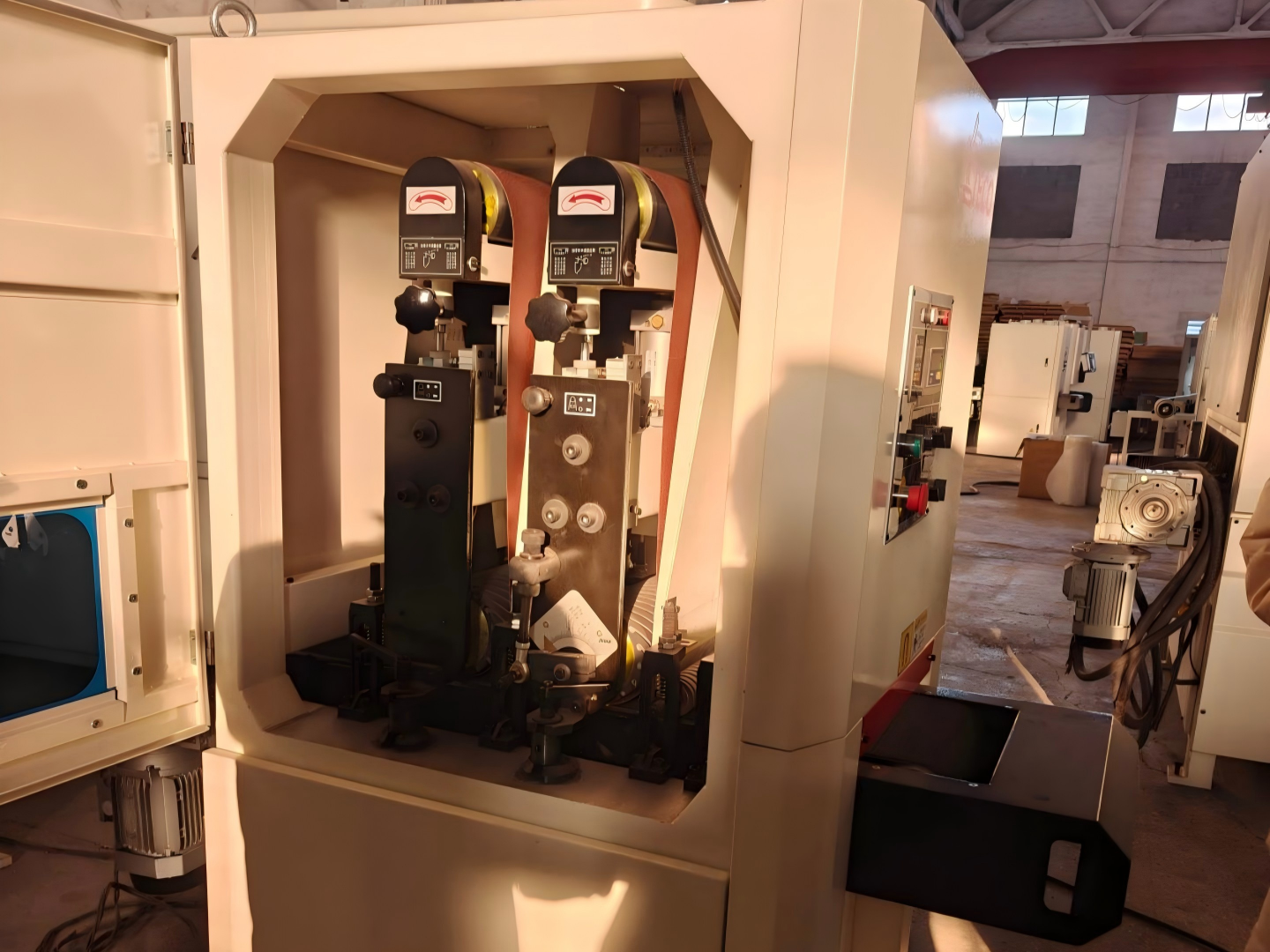
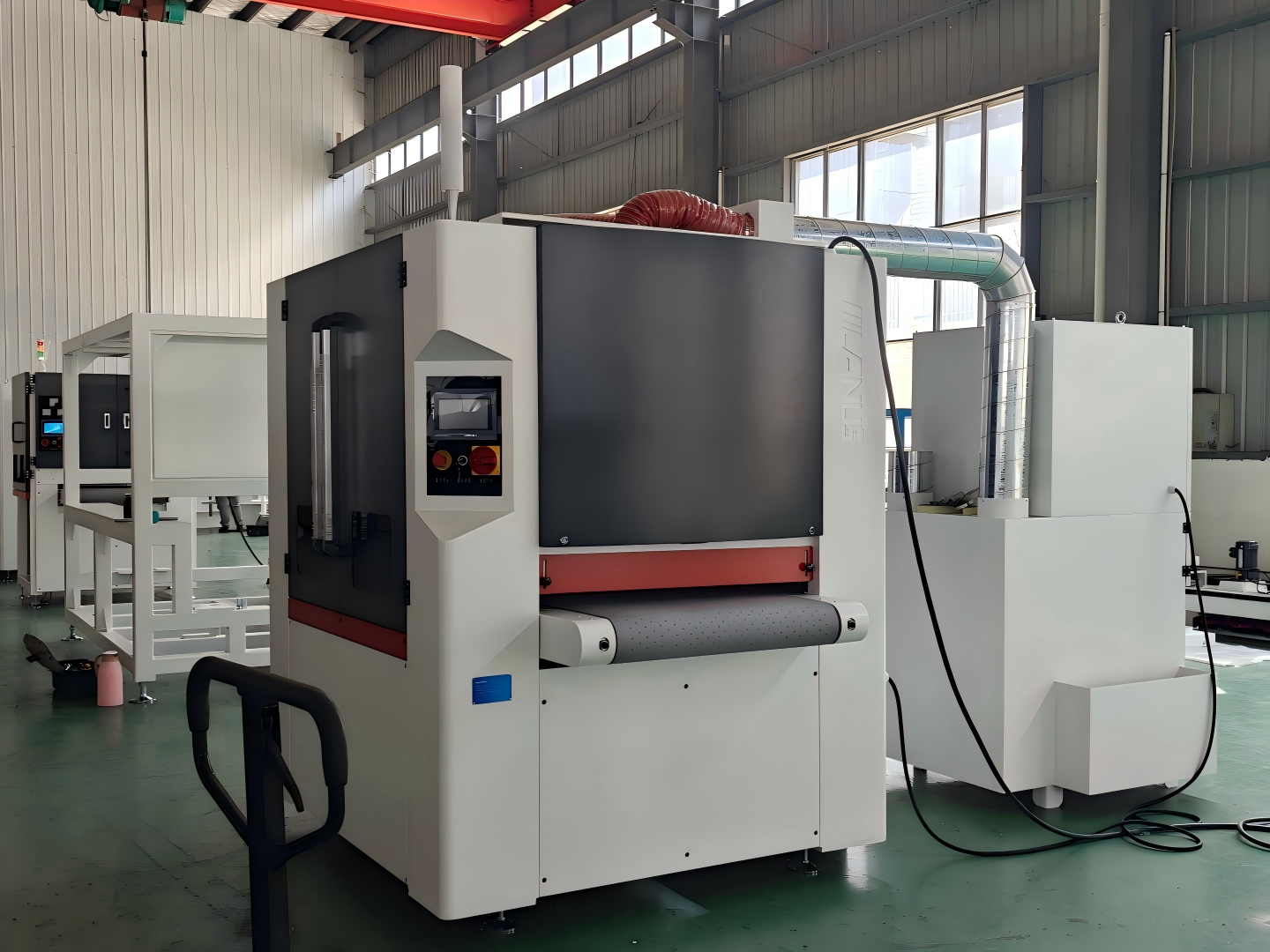
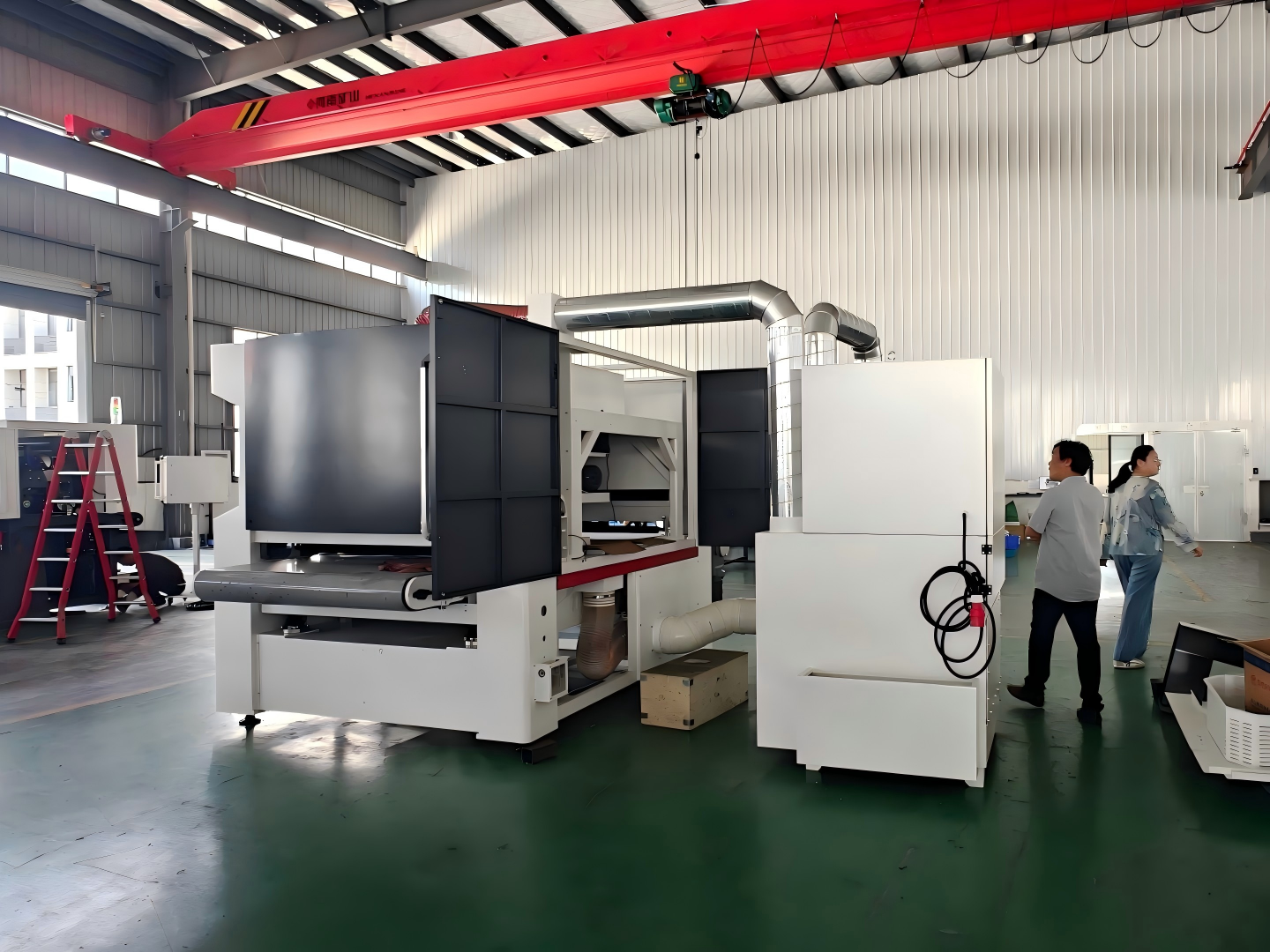
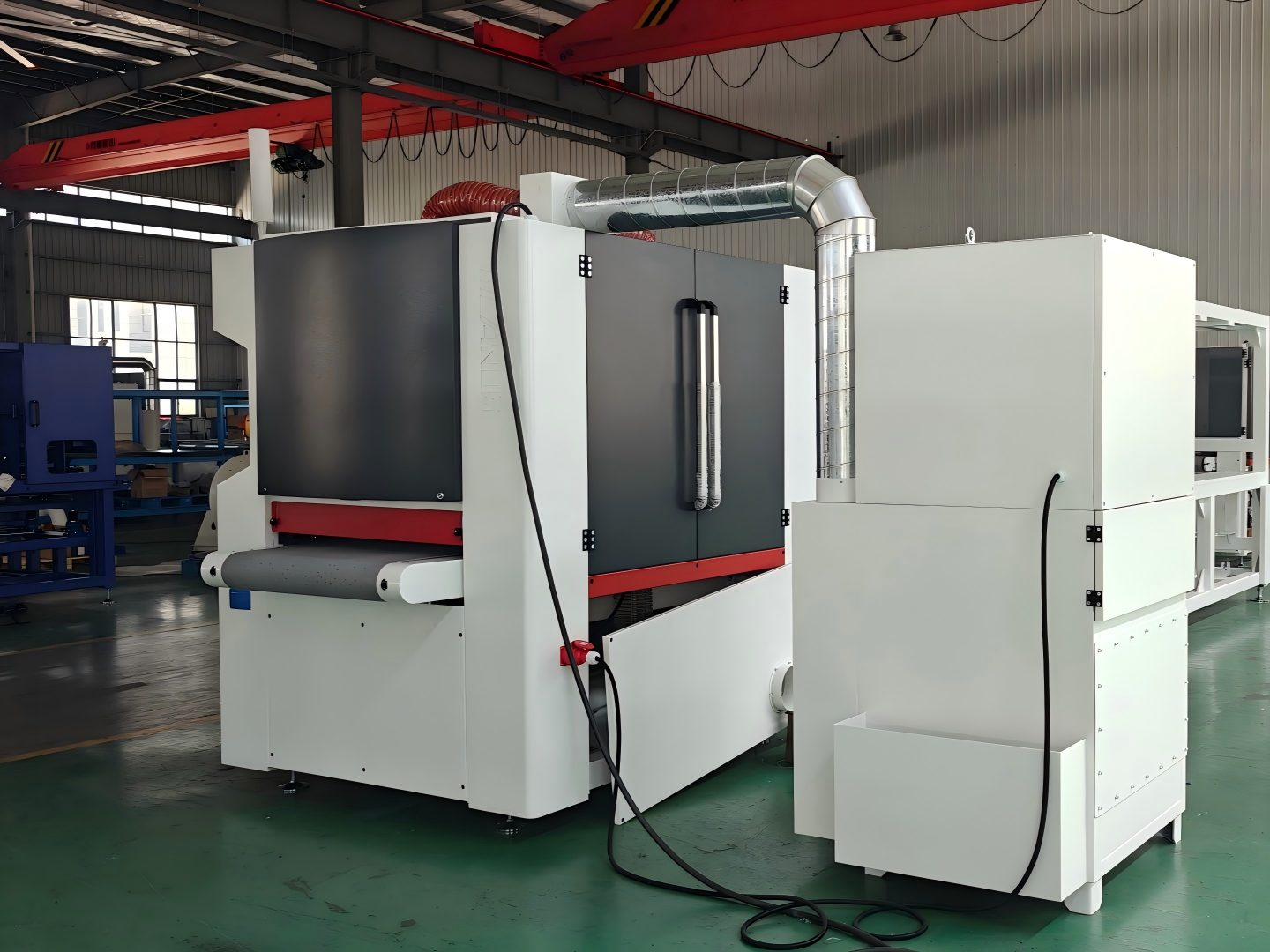
They can both be used in an automatic wood sanding machine. Made of steel or hard rubber, the roller head is used for calibration, and it ensures an even surface thickness by removing materials. The platen heads, made of flat, felt-padded shoe wrapped in graphite, deliver you final, fine-grit polishing and veneer finishing with light pressure distribution.
Each sanding head is isolated and secured in an internal dust hood with a high-speed dust collection system. Before fine particulates accumulate in high volumes, the dust collection system will evacuate them.
Yes. When dealing with wood products like MDF and HDF, you can slow down the belt speed with variable-frequency drives (VFD) on the sanding belts and conveyor feeds.
It depends on your material removal depth and dust extraction efficiency. With pneumatic cleaning blowers to remove dust from the abrasive grains, our automatic wood sanding machine can extend your belts’ life by up to 25% to 30%.
For your daily check, you need to clear the residual dust from the tracking sensors and pneumatic pressure lines. For your weekly maintenance, you need to check the conveyor bed, dial indicator, and the rubber feed belt with good tension.
Related Products
-
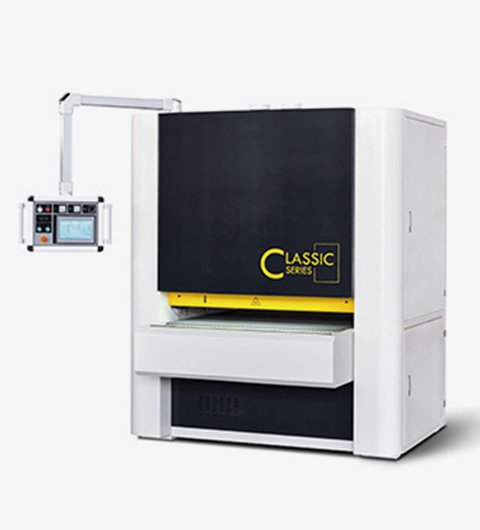
Specializing in industrial wet deburring and metal finishing, ARMPRE wet deburring machines offer safe, cooled, and dust-free high-performance alloy precision deburring, edge rounding and finishing
-
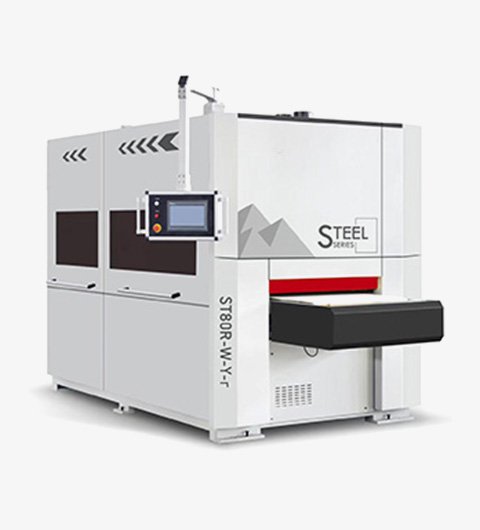
We help our customers with an extensive steel deburring machine, ensuring unparalleled consistency with automated processes, robust engineering, and premium components delivering reliable performance.
-
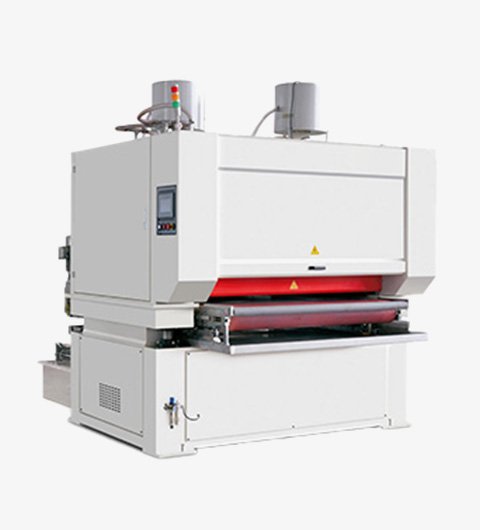
ARMPRE’s plate deburring machine offers innovative, integrated, fully automatic plate deburring machines that are ISO and CE certified and suitable for all your needs.
-
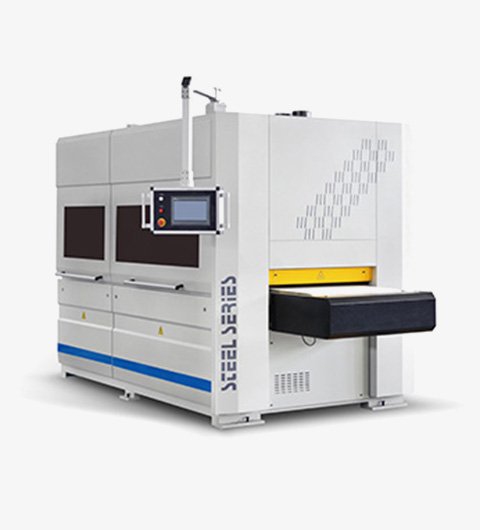
Still searching for a professional wide belt sander for wood and metal? ARMPRE’s wide belt sanders, featuring electronically segmented sanding pads, precision calibration, and automatic deburring, can instantly boost your deburring efficiency.
The Ultimate Buyer’s Guide to Automatic Wood Sanding Machine
If you are considering replacing a manual wood sander with an automatic wood sanding machine, it means a major shift in your factory’s mechanical wood sanding workflow. This guide focuses on the exact operational variables, calibration mechanics, and integration risks that may help you analyze before capital deployment. Follow it now.
When considering quoting an automatic wood sanding machine, there are three key factors you can not ignore.
Chassis Rigidity and Motor Power
Integrated with cast-iron beds and 22kW to 30kW independent head motors, the automatic wood sanding machine handles your structural loads without flexing your belts.
Sanding Head Architecture
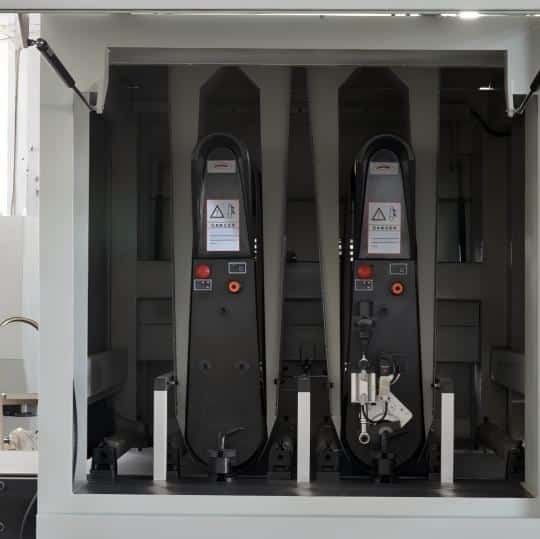
The combination of different sanding head modules, including steel calibration roller, rubber blending roller, and electronic smoothing platen, allows the automatic wood sanders to allow for one single pass to deliver you high precision and efficiency wood surface sanding and finishing.
Component Provenance
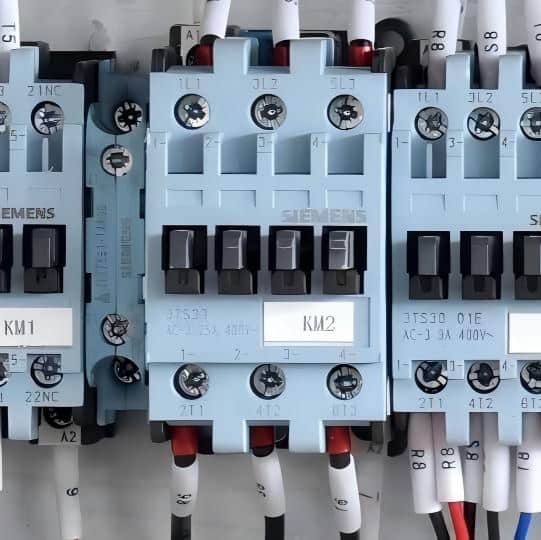
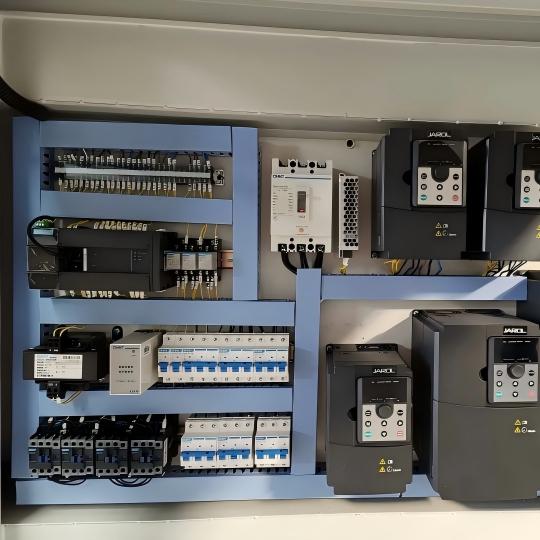
With international standard pneumatics and electronics (such as Schneider or Siemens), our automatic wood sanding machine ensures you a quick replacement locally without facing weeks of import downtime.
If you use the wrong rubber hardness (durometer) on the calibration drum, it may lead to washed-out grain or insufficient material removal. However, ARMPRE’s automatic wood sanding machine can be configured according to your materials.
Hardwood Components (Oak, Beech, Maple)
For hardwood components like oak, beech, and maple, you can choose high-durometer rollers (85 to 90 Shore). The rollers ensure a rigid, non-yielding cutting with precise thickness calibration.
Softwood Panels (Pine, Fir) and MDF
You can choose a medium to soft durometer roller ( 45 to 60 Shore) for softwood panels and MDF. The soft rubber can distribute pressure evenly to prevent burning or oversanding fragile edges.
Veneer Lines
The solid rubber contact rollers can easily deal with veneer lines. Using segmented electronic platens, the roller delivers dynamic, micro-targeted tracking force across variable surface tolerances.
During automatic wood sanding, it may bring massive volumes of fine particulates and wood dust from belt loading and thermal friction. If left uncollected, it may lead to an explosive hazard concern. To avoid these problems, you can apply:
Static Pressure and CFM
The 1300mm automatic wood sanding machine, it is designed with a total exhaust volume of at least 850㎡/h with an intake velocity maintained between 25 and 30 m/s.
Safety Footprint
To protect your optical tracking sensors and chassis, you are required to use proper dust extraction. It can also keep your factory heat low.
To maintain your wood sanding machine’s parallelism within strict ±0.1mm, you are better off performing the mechanical calibration every quarter. They are:
Isolate the Conveyor Bed
Firstly, you need to stop the main drive motors, release the sanding heads’ pneumatic pressure, cleaning the rubber feed belt with pitch and resin.
Deploy Dial Indicators
You always need to rest your dial gauges in the internal frame against the conveyor bed tracking lines.
Run a Gauge Block Test
Check the left and right dial readings; if there are any variances greater than 0.05mm, you need to adjust the bed’s heavy-duty lifting screws or worm gears manually.
Inspect the Feed Mat Tension
After all the checks are done above, you need to inspect the feed mat tension, ensuring the tracking belt is centered and pressurized correctly.
The consumption of sanding belts determines your actual costs. Therefore, you can optimize and extend the lifespan of your sanding belts in the following ways:
Linear Belt Speed Customization
If the sanding belt operates at too high a speed, it will harden and break. You can use a high-efficiency variable frequency drive with ceramic abrasive. Control the speed at 20 m/s.
Integrated Abrasive Blowers
Equipped with synchronized pneumatic cleaning nozzles, it blows away the dust and resin accumulated inside, thus extending the lifespan of the sanding belt.
Predictive Maintenance Data
Real-time tracking of sanding belt and drive motor consumption helps you detect belt wear in a timely manner, allowing you to replace the belt and extend the lifespan of your automatic sanding machine.
Conclusion: Formulate Your Automated Sanding Configuration
Choosing the right automatic wood sander requires configuring appropriate motor power, roller hardness, or feed speed based on your wood material. ARMPRE’s engineering team can provide you with specific material combinations, workspace, and dust removal capacity analyses at any time. For detailed machine solutions and precise cycle times, please contact our experts.