
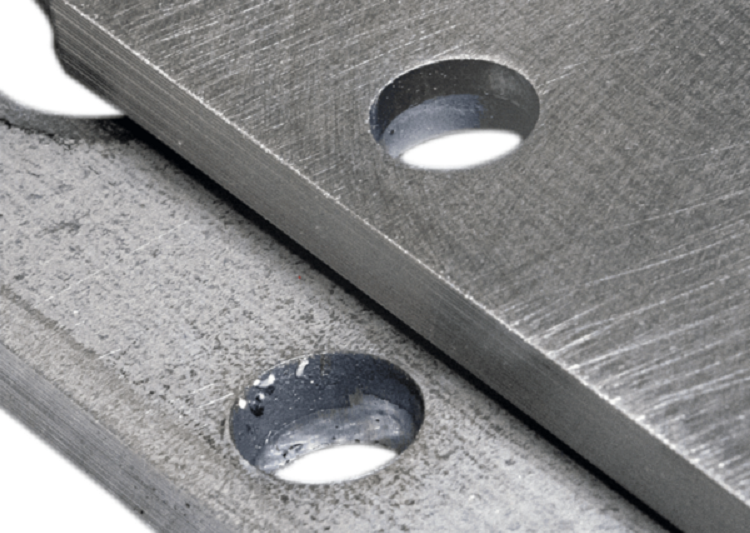
In the metalworking industry, understanding the Types of Metal Finishes is essential for achieving the right surface quality, appearance, safety, and consistency. It is more about safety, high efficiency, and consistency. For years, many manufacturers have relied heavily on operators with handheld sanders. Now, with automated through-feed wide-belt sanders, linishers, and graining machines, you can get identical, picture-perfect grain lines from the first sheet to the last run of the night. Explore this guide for a metal finishes guide.
1. What Are The Raw Metal Finishes?
Before sanding and brushing your metals, check the raw metal finishes and make sure you know which ones you are targeting. Here are the 4 basic types of raw metal finishes.
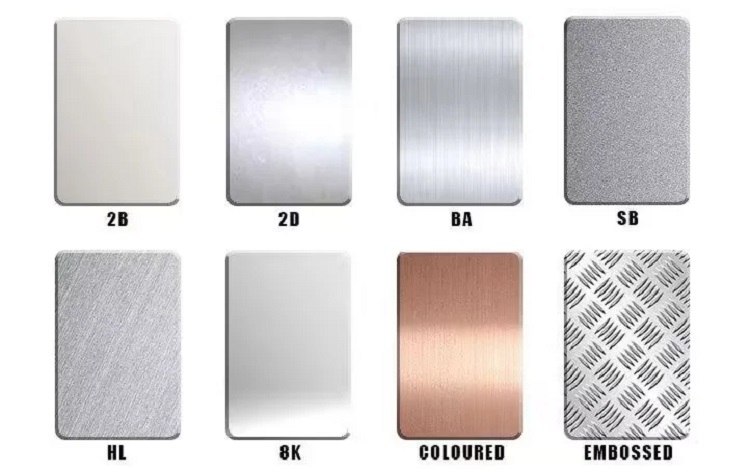
1D Finish (Hot Rolled, Dull Gray & Tough)
A thick, dull gray plate with a rough surface (Ra 3.0 to 6.0 µm). It is widely used in heavy structural framing, industrial tanks, and hidden welded bases where raw metal strength matters more than a shiny look.
2D Finish (Cold Rolled, Soft Matte Silver)
A smooth, matte silver sheet that is great at holding stamping oil (Ra 0.4 to 1.0 µm). Much smoother than hot-rolled plate, it holds onto stamping oils and is mainly made for deep-draw pressing, automotive stampings, and heavy box forming.
2B Finish (The Everyday Stainless Workhorse)
The most common stainless steel sheet in metal shops, with a flat (Ra 0.2 to 0.5 µm). It is smooth, flat, and made for classic No.4 satin or Hairline brushed patterns.
BA Finish (Bright Annealed, Mirror-Like Shine)
Heat-treated in a sealed furnace, this finish comes out super shiny and reflective like glass (Ra < 0.1 µm). There is no need for any extra sanding or polishing.
2. Standard Mechanical Sheet Metal Finishes: From No.3 to Mirror Polish
To make raw metals ready for the next welding or coating, you can match the right sanding belts and spinning brush wheels. Let’s know about the five classic industry surfaces that you can target:
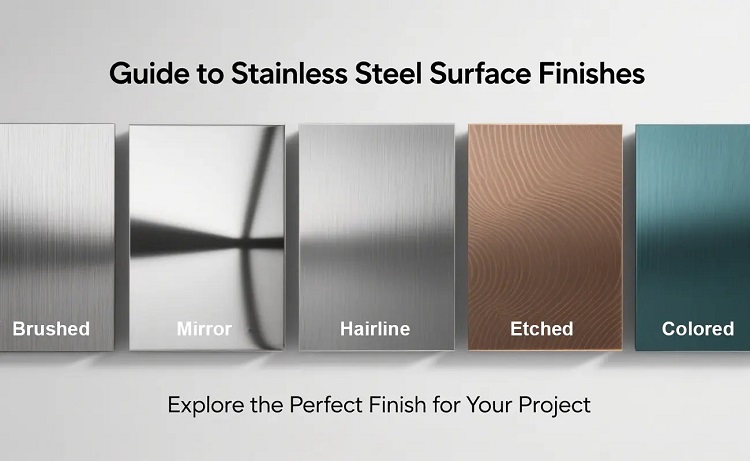
No.3 Finish (Coarse Workhorse Grain)
Made with rough 80 to 120-grit belts, the No.3 Finish leaves clear, straight scratches on the metal (Ra 1.0 to 1.5 µm). Not for show, it is made for tough jobs like grinding down weld seams and flattening heavy steel plates.
No.4 Finish (The Sanitary Food & Kitchen Favorite)
Created with an industrial satin finishing machine, the classic satin finish on kitchen counters, brewery tanks, and medical cabinets is mainly made with 150 to 220-grit belts with clean, short, broken grain lines (Ra 0.4 to 0.8 µm).
Hairline Finish (Long, Elegant Lines)
Mainly applied for high-end elevator doors and luxury appliance panels, the hairline finish is made by fine sanding belts in smooth, uninterrupted lines (Ra 0.2 to 0.4 µm).
Vibration / Swirl Finish (Scratch-Hiding Matte)
Made by spinning disc brushes across the metal in wide, overlapping orbital loops, it creates a uniform, multi-directional matte texture with zero straight lines (Ra 0.3 to 0.6 µm).
No.7 & No.8 Finish (Pure Mirror Shine)
Handled by very fine 400-grit belts, the metal polishing machine removes every scratch, turning stainless steel into a bright, clear mirror for yacht fittings and medicine tanks.
3. Surface Roughness (Ra) vs. Grit Size
Instead of requiring some 180-grit sandpaper, engineers and manufacturers are often here with a clear roughness target like Ra 0.4 µm. So understanding how grit matches up with roughness can help you choose the right sanding belt. Here are:
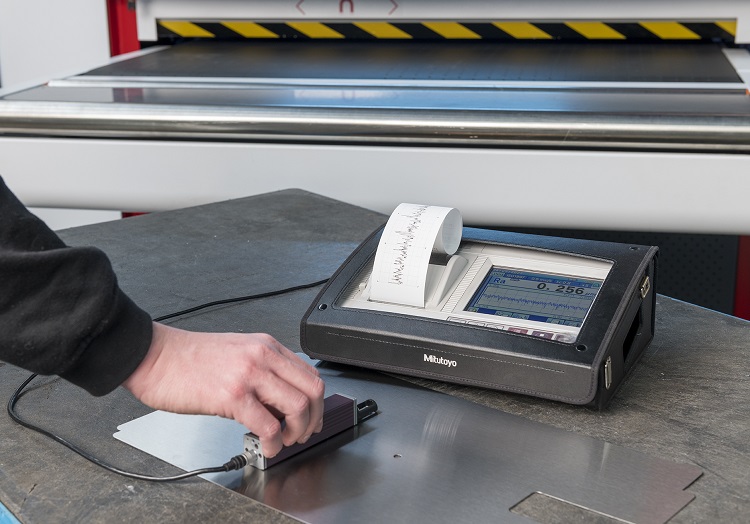
Coarse Sanding (36 to 80 Grit)
As the toughest belts, they can quickly remove cutting slag, weld beads, and heavy scale (Ra 2.0 to 4.0 µm). Ideal for heavy-duty work, the coarse sanding leaves deep grooves to keep paints and coats tight.
Medium Sanding (100 to 180 Grit)
Removing deep scratches and factory marks (Ra 0.8 to 1.5 µm), medium sanding is perfect for general leveling that needs to be clean and neat.
Fine Satin Sanding (220 to 320 Grit)
Widely applied in food and sanitary, fine satin sanding creates the classic No.4 satin finish (Ra 0.4 to 0.8 µm). Because the grooves are smooth and shallow, it makes kitchen tables and food tanks easy to wash and clean.
Ultra-Fine Sanding (400 to 600+ Grit)
Using fine belts or soft Scotch-Brite pads for a silky feel (Ra 0.1 to 0.3 µm), ultra-fine sanding is extra smooth. It can remove visible lines and make metal ready for luxury electronics or final mirror polishing.
4. Which Metal Finish Fits Your Material Best?
Every metal behaves differently under sanding and brushing. So, to know which metal finish fits your materials best, these simple rules can help you out.
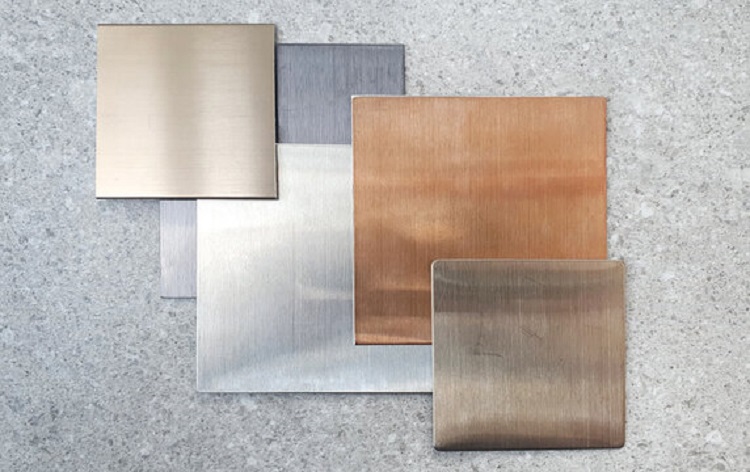
Stainless Steel (304 & 316)
For stainless steel 304 or 316, you need to watch out for heat and rust. Because stainless steel traps heat quickly. So you are better to run sanding belts at medium speeds (12 to 18 m/s), or replace the belt after sanding carbon steel. Then the stainless steel can avoid ugly rainbow burn marks.
Aluminum Alloys
Aluminum is soft and easy to get sticky under heat and quickly clogs sanding belts. Choosing an anti-clog belt or wet deburring machine is the best way to keep your sheet metals clean for smooth anodizing.
Carbon Steel
Carbon steel is a tough plate that needs fast grinding. It is better to set the belts running at high speeds (20 to 26 m/s) with a steel deburring machine. Then it can remove dark factory crust and add tiny grooves to prevent paint from peeling off.
Copper, Brass & Titanium
Copper, Brass and Titanium require a soft touch to prevent fire hazards. You need to use light pressure and soft pads to avoid surface damage. So it is better to keep low speeds (8 to 12 m/s) with water cooling to stay safe.
5. When Do You Need Chemical or Plated Finishes?
Metal sheet sanding and brushing are for a smooth and clean surface. It also creates the right base for chemical dips, plating, and painting. They are:
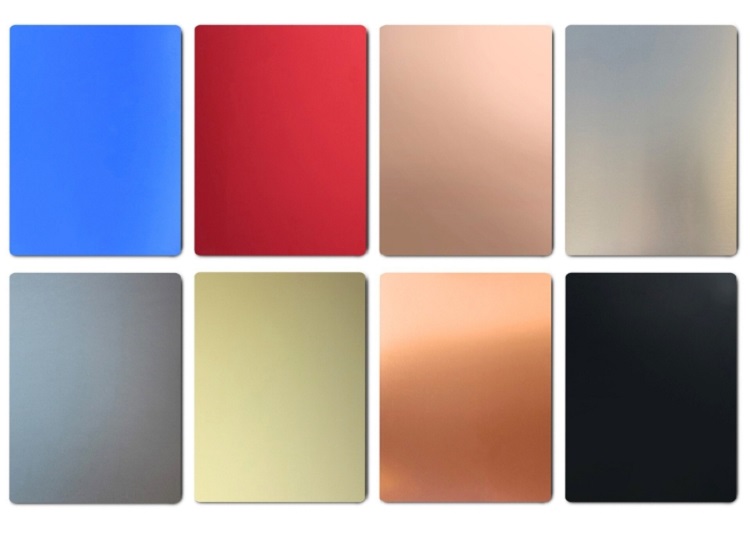
Aluminum Anodizing (Color & Protection)
For an electric acid bath creating hard, rust-proof layers on aluminum, you can choose a graining machine to remove factory lines first. Then the dyed colors can be clear and even.
Passivation & Electropolishing (Cleanroom Grade)
Cleaning off the iron particles from stainless steel, so they can resist rust naturally. Electropolishing can smooth the microscopic bumps down to Ra < 0.2 µm, so the medical pipes and food tanks are free of bacteria.
Plating & Galvanizing (Heavy Shields)
For heavy shields, electroplating can add a thin layer for shiny car trims and wear parts. And hot-dip galvanizing applies molten zinc onto the heavy steel for rust protection.
Painting & Powder Coating (Strong Grip)
To keep the paint and powder coating tight, the rough abrasive belts (Ra 1.5 to 3.0 µm) add millions of tiny grooves on the metal surface. So it never peels or chips.
6. Hand Grinding vs. Automated Finishing
No more people now choose to finish full production batches by hand. Because hand grinding leads to headaches and cost your money. In contrast, automated finishing gives you:
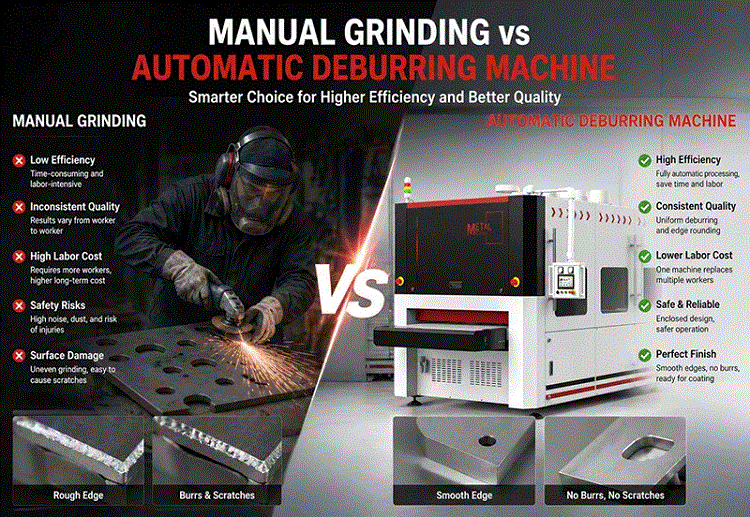
No More Marks & Uneven Spots
Hand working can not press down with the same force all day. So they are always prone to leaving uneven dip marks and ugly swirls on your metals.
Stops Thin Sheets from Bending
When working with thin sheet metal (0.5 mm to 2.0 mm), hand pushes are easy to twist and bend. Once the sheet metal flatness is ruined by friction heat, it will cause great loss in subsequent processing.
Safer and Cleaner for Workers
Never expose your team to heavy metal dust, loud noise, and constant arm vibrations. The automated finishing helps them focus on easier and higher-value work.
7. How Is an Automated Finishing Machine Built for Metal Finishes?
To create clean, uniform metal surfaces, automated finishing machines are built with different sanding heads in one smooth pass.
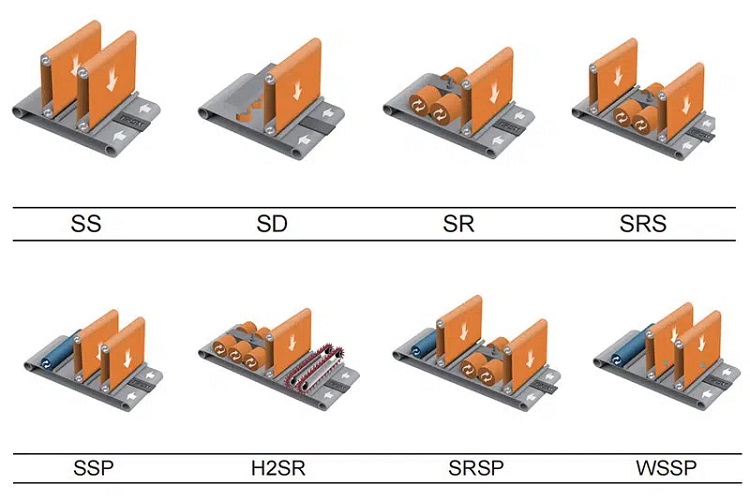
Wide Belt Grinding Rollers (Leveling & Straight Lines)
Running over a spinning roller with strong pressure, the wide abrasive belts flatten rough weld seams and cutting slag quickly. They deliver your metal surfaces with straight, clean grain lines.
Planetary Rotary Disc Brushes (Non-Directional Swirls)
Spinning and rotating across the conveyor in big circles, the rotary brushes create a matte finish (angel hair) with no missed spots.
Non-Woven Conditioning Rollers (Smooth Hairline & Satin)
Gently brushing to remove sharp scratch marks, the soft rollers give your metal a silky-smooth Hairline or No.4 satin finish.
Dry vs. Wet Systems (Dust & Heat Control)
The dry deburring system protects carbon steel parts from bending, and the wet deburring system can wash away flammable aluminum and magnesium dust while keeping your sheets cool and flat.
8. How Do You Fix Common Surface Finishing Defects?
To avoid surface flaws on your metal sheets, you can follow these 5 common finishing problems to keep your parts clean and consistent:
Wavy Chatter Marks (Repeating Vibration Lines)
The chatter marks are caused by shaking sanding heads. So before startup, you can check the rubber roller bearings and make sure your abrasive belts with smooth, precision-cut heads.
Gouged Front and Back Edges (Lead-In Snipe)
When the sanding roller drops too early or lifts too late, it will cause gouged front or back edges. To solve this problem, you can adjust hold-down rollers to press the sheet flat.
Crooked Grain Lines (Off-Angle Scratches)
If the conveyor feeds crookedly or belt tension is uneven, it happens. Straightening the conveyor alignment and balancing the air pressure can prevent those scratches.
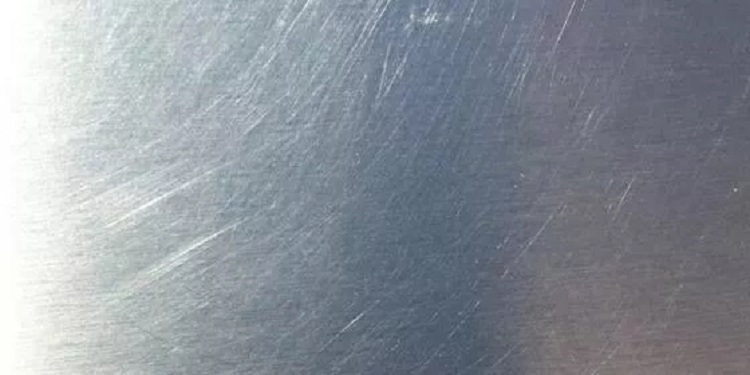
Dark Scratch Lines (Belt Streaking)
The dark lines are caused by metal dust clogging. So you can just replace the dirty, clogged belts and make sure they are not swaying side-to-side.
Thin Sheets Buckling from Heat (Warping)
To avoid the friction heat destroying the thin sheets (under 1.0 mm) under too much pressure, you can reduce the sanding depth and speed up the conveyor.
9. How Do You Protect Finished Metal from Scratches and Bending?
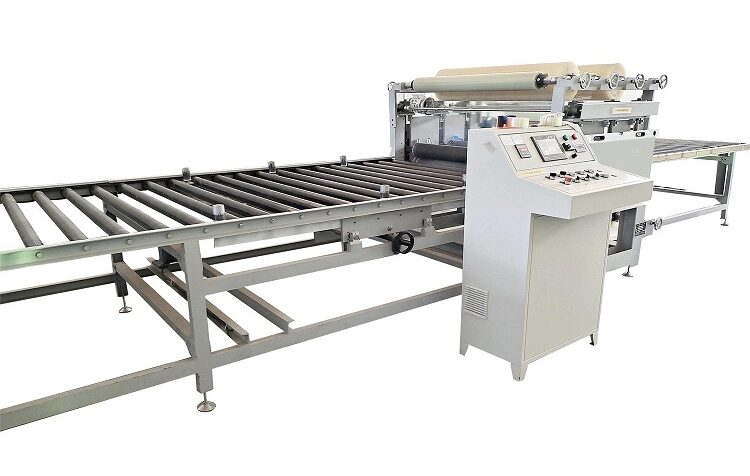
To protect finished metal from scratches and bending, you can add an automatic film laminator at the exit:
Choosing the Right Film
For standard metal plates, you can apply a clear PE plastic film (40 to 100 µm) for everyday bending, stamping, and transport. If you plan to laser-cut sheets after sanding, then the heavy-duty Laser PE Film (black inside, white outside) is the best choice.
Automatic, Bubble-Free Lamination
Designed with rubber pressure rollers, the automated laminator can keep your film down flat, tight, and bubble-free in seconds.
Bending Protection & Clean Peeling
Protecting metal plates from scratching, the high-quality films will automatically peel off cleanly months later without hurting the fine grain lines.
10. How Do You Choose the Right Metal Finish?
By following the 4 simple steps, you can find the best metal finish for your sheets.
Step 1: Check the Operating Environment
If your metals are mainly applied outdoors, such as building frames and marine parts, then it mainly needs weather-proof, rust-resistant surfaces against rain and salt. If for indoor use like electronics and kitchen cabinets, you can simply focus on clean looks and fingerprint resistance.
Step 2: Follow Hygiene & Sanitary Rules
Parts for food, dairy, or medicine must meet strict hygiene standards. So your parts need a No.4 satin finish or electropolishing to resist bacteria.
Step 3: Match the Look to Your Brand
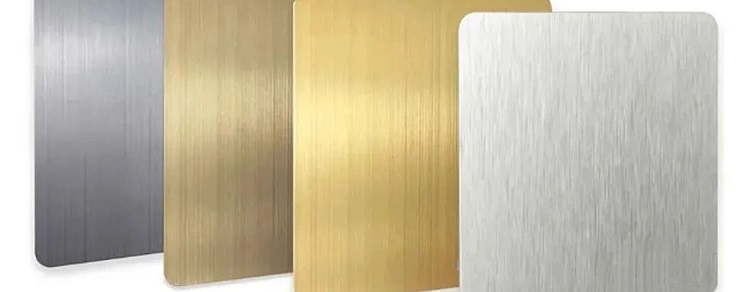
If your brand needs high-end quality with the best look, then the sleek, straight Hairline finishes are your best choice.
Step 4: Balance Batch Size & Cost
For high production volumes, an automated wide belt sanding machine and graining machine provide you with fast, consistent surfaces with lower labor costs.
11. Which Machine Setup Matches Your Metal Finish Specs?
To choose the right metal finishing machine setup and finish, you need to match your metal type, target smoothness (Ra), sanding belts, and how the final part will be used.
| Metal Type | Finish Name | Sanding Setup | Target Smoothness (Ra) | How It Looks & Works | Where It Is Used |
| Stainless Steel (304/316) | No.4 Sanitary Finish | 150–220 grit belts + soft roller | 0.4–0.8 µm | Clean, short lines; smooth and easy to wash clean | Food machinery, dairy tanks, medical equipment |
| Stainless Steel (304/316) | Hairline (HL) | 240–320 grit fine belt (low speed) | 0.2–0.4 µm | Long, unbroken parallel lines; very sleek look | Elevator doors, wall panels, luxury home appliances |
| Stainless & Aluminum | Vibration / Swirl | Rotating disc brushes + soft pads | 0.3–0.6 µm | Multi-directional matte; hides scratches and fingerprints | Electronics, airport desks, server boxes |
| Carbon Steel Plate | Paint Prep / Descaling | 36–80 grit coarse belt + steel drum | 1.5–3.0 µm | Rough, bare metal tooth; locks paint tight | Heavy machinery, structural frames, powder coating |
| Aluminum (5052/6061) | Pre-Anodize Finish | 180–240 grit belt + water cooling (Wet) | 0.4–0.8 µm | Streak-free satin; removes factory marks for even dye | Car trims, anodized panels, camera housings |
| Stainless Steel (316L) | No.8 Mirror Polish | 400–600 grit belts + felt drum & polish paste | < 0.05 µm | Pure mirror shine; zero scratches | Boat hardware, medicine tanks, cleanroom sight glass |
Conclusion
It is one of the best moves for your plant that is to upgrade your manual and hand grinding to an automated graining and polishing machine. The automated sanding and polishing machine can deliver perfect, cleaner, and safer grain lines with high efficiency. Before making your decision, you can test your own parts with us. Send us your real metal samples and inspect the quality yourself with the returned reports. Contact our engineering team and choose the exact right machine to boost part quality and grow your business.
FAQ
Q1: How do you hit a true food-safe No.4 satin finish that passes sanitary inspections?
▼
For a food-safe No.4 satin finish, you can use a 180-grit abrasive belt to ensure the surface roughness between Ra 0.4 and 0.8 µm. Then follow up with a Scotch-Brite conditioning roller for sharp edge rounding.
Q2: Why does soft aluminum gum up sanding belts, and how do you stop it?
▼
Under friction heat, the aluminum is soft, and the metal dust is easy to build up between abrasive grains. To fix this, you can apply anti-clogging silicon carbide belts or choose a wet deburring machine with cool, flowing water.
Q3:Why did my stainless steel part develop rust spots after sanding?
▼
It happens when iron dust from carbon steel gets pressed into the stainless surface. If you use a sanding belt that was applied to carbon steel before, then the iron particles are easily embedded into the metal and rust when exposed to moisture.
To stop this, you always need to keep belts separate for stainless and carbon steel.
Q4:How do you get rid of wavy oscillation stripe marks across the sheet?
▼
First, you need to check the pneumatic belt oscillation, then set the air system to sweep the belt gently from side to side 15 to 25 times per minute with a travel distance of 15 to 20 mm.
Q5: Can you polish ultra-thin 0.5 mm sheets without them buckling from heat?
▼
Yes.
But you need to keep the metal cool. Too much friction heat is easy to thin the metal and cause warping. So you can use a wet polishing machine with water to cool the sheets down.
Ready to elevate your production quality?
Investing in a high-quality sanding machine is a decision that impacts your manufacturing precision and efficiency for the next 5 to 10 years. Don’t settle for instability. Choose a reliable partner to secure your competitive edge in surface finishing.