
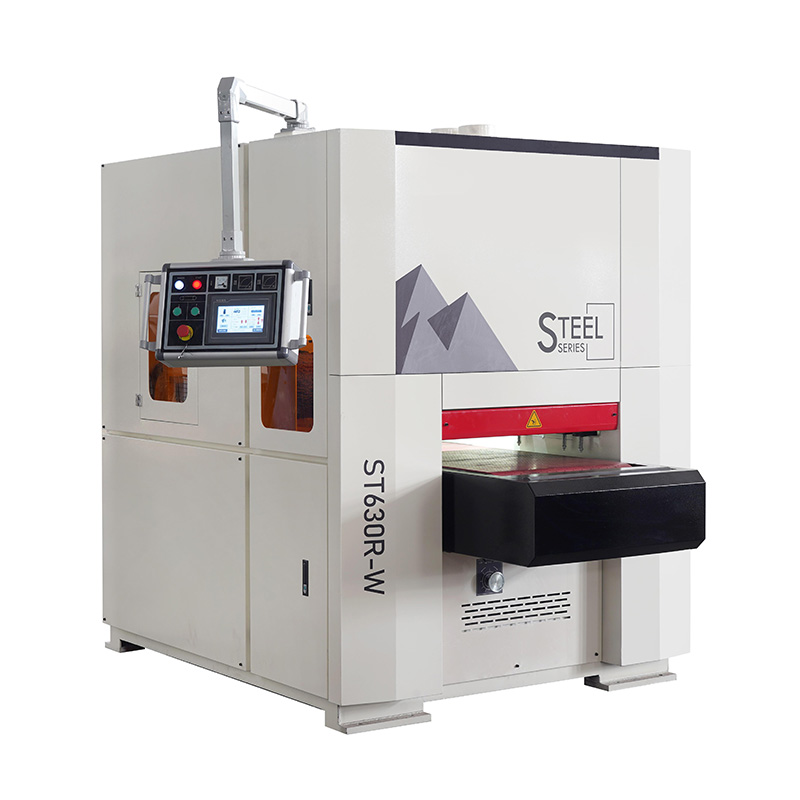
Plasma cutting has become one of the most common methods used to produce sheet metal products in today’s manufacturing industry. However, plasma-cut parts often require additional finishing because of burrs, slag and rough edges. A plasma cut deburring machine provides an efficient solution to remove these defects and achieve consistent edge quality for industrial production.
However, plasma cutting does leave undesirable defects behind that can affect the accuracy of assembled parts, the quality of powder coating applied to surfaces, and the overall safety of a manufacturing workplace. Examples of these defects include heavy burrs, slag deposits and rough, unfinished edges.
So, as manufacturers seek improved surface finish and production rates, one principal question arises:
What is the best way to deburr plasma-cut parts efficiently?
In this guide you will learn about some of the common defects associated with plasma cutting, how to efficiently remove metal burrs, and why most sheet metal manufacturers now use automated systems as their preferred industrial finishing method.
1.Common Plasma Cutting Defects Before Deburring Plasma Cut Parts
Plasma cutting is recognized as an effective and popular way to create plasma cut parts. However, the high temperature of the cutting action can create many different types of surface imperfections. These sheet metal defects can affect how the finished part fits, coats, and performs if they are not treated correctly at the finishing stage.
Common Defects in Plasma-Cut Parts:
A fundamental principle to selecting the appropriate deburring and edge finishing solution is to understand the most common defect types.
· Burr formation
Sharp protrusions called “metal burrs” are left along the cut edge because of the metal cutting process. These protrusions can interfere with how the part fits together and can be a safety hazard.
· Dross / slag attachment
Molten metal can cool and solidify on the bottom edge, causing the formation of dross (or slag). The result is a rough surface requiring additional cleaning.
· Heat affected zone (HAZ)
The heat produced by the cutting operation creates a heat-affected zone (HAZ) which may result in discoloration, oxidation and/or changing the properties of the material to create a rough surface.
· Uneven edges
Irregular edges from improper cutting conditions will result in less accurate dimensions and an inferior appearance to the finished component.
By properly deburring and finishing the edges of a product, you will be able to reduce these types of defects and increase the quality of the final sheet metal piece.
| Plasma Cutting Defect | Main Cause | Impact on Sheet Metal Parts |
|---|---|---|
| Metal Burrs | Molten metal remains on cutting edges | Creates sharp edges and affects part assembly |
| Dross / Slag | Cooling molten metal sticks to the bottom edge | Requires additional cleaning before finishing |
| Heat Affected Zone (HAZ) | High cutting temperature changes material surface | May cause oxidation and coating problems |
| Uneven Edges | Incorrect cutting conditions | Reduces dimensional accuracy |
2.Why Deburring Plasma Cut Parts Improves Manufacturing Quality
Why Deburring Is Necessary After Plasma Cutting
When using the plasma cutting method to produce desired components, it is common to find defects left on the newly manufactured piece such as burrs, slag, and/or sharp edges.
Appropriate deburring processes will enhance accuracy of part assemblies, improve adhesion of coatings applied to parts, and produce safer and smoother surfaces to facilitate subsequent manufacturing processes.
Besides its visual features, removing burrs and slag from a plasma cutting job has a few reasons for its benefit.
· Assembly accuracy
- Burrs affect fitment
Burrs can keep parts from fitting together properly. Not having a proper metal burr removal process can cause:
Misaligned parts
Tolerance problems
Too much rework with good edge finishing,
Parts will fit together accurately and consistently,
Creating a quality final product.
· Coating quality
- Uneven surface reduces adhesion
Uniform surfaces promote adherence to coatings like paint and powder. When deburring, you will have:
- Uniformity in the surface
- Equal distribution of thickness of the coating
- Increased corrosion resistance
When finished, these will produce a higher-quality product with a longer service life.
· Safety issues
- Sharp edges cause injuries
Dangerous edges create a risk to workers who operate the equipment or to whoever uses the final product. By removing dangerous burrs from the edges of a plasma cut part, the total number of injuries is reduced, and you will comply with the employer’s safety requirements.
3.Methods to Deburr Plasma-Cut Parts
Methods for Deburring Plasma-Cut Parts
The various production environments necessitate different types of finishing operations.
· Manual Grinding
Manual grinding is still a common method of removing burrs.
- Advantages
- Low cost to begin
- Flexibility in operation
- Limitations
- Labor intensive
- Low productivity
- Inconsistent quality
- Reliant on the operator
In a high-volume production facility, this type of manual operation can eventually become inefficient quickly.
Abrasive belt systems
Belt systems that use abrasives are a great way to process finishing with a semi-automated method. These belt systems can be used for any type of small or medium-sized production run.
- Advantages
- Medium automation
- Good for small batches
- Consistent results
- Less manpower needed
While they can do a great deal of work, they may be at a disadvantage for removing heavy slag or large burrs.
· Dry deburring machine
Manufacturers of today are turning to dry deburring machines to deliver consistent, repeatable, efficient results.
Some benefits of using a dry deburring machine include:
- Higher production efficiencies
- Better quality of finishes
- Running continuously
- Lower labor costs
- Suitable for mass production
- Stable output
A sheet metal deburring machine removes burrs in a reliable manner while producing consistently finished workpieces.
| Deburring Method | Automation Level | Advantages | Limitations |
|---|---|---|---|
| Manual Grinding | Low | Low investment and flexible operation | High labor cost and inconsistent quality |
| Abrasive Belt System | Medium | Stable finishing and reduced manpower | Limited for heavy burr removal |
| Dry Deburring Machine | High | Continuous production and consistent results | Higher initial investment |
4.Best Plasma Cut Deburring Machine for Industrial Sheet Metal Finishing
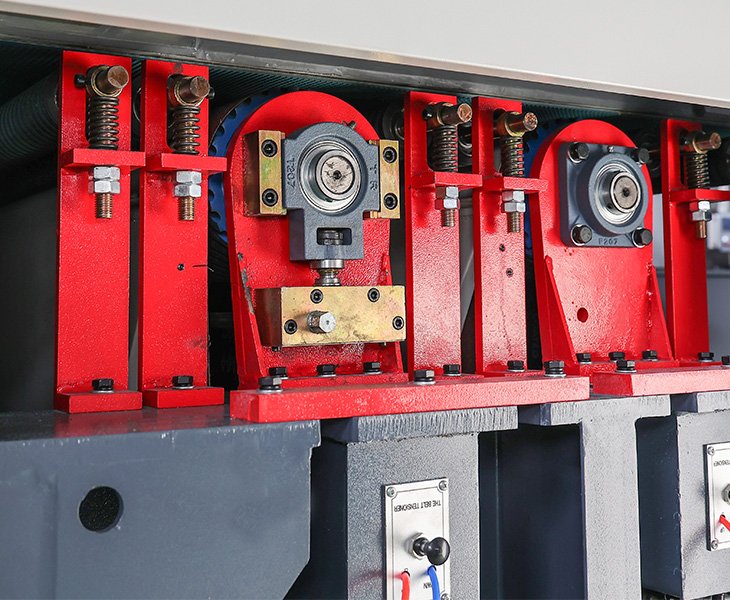
Modern manufacturers of sheet metal fabricate parts by utilizing a fast and reliable source of burr removal with dry-type deburring machines. These advanced industrial deburring machines enhance productivity; however, they also help reduce manual finishing time.
· Rotary brush technology
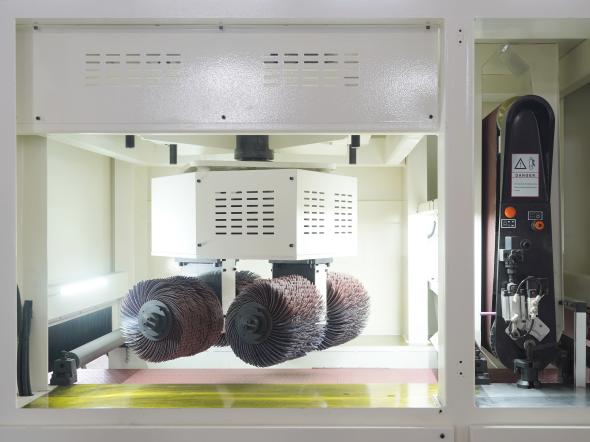
Rotary brush technology utilizes rotating abrasive brushes to remove all burr and sharp edges resulting from the plasma cutting process, leaving parts with a uniform and smooth surface finish.
· Conveyor feeding system
This machine uses a fully automated conveyor feeding system, which produces continuous product processing; thus, increasing overall production efficiency, which is maintained in high-volume manufacturing.
· Consistent burr removal
Dry-type deburring machines cannot deliver the same degree of stable, repeatable results associated with manual deburring operations. Therefore, the use of these machines will yield superior levels of quality for product produced, as well as a reduction in the need for rework due to nonconforming products.
These are classified as sophisticated industrial deburring system, thus making them necessary machines within most sheet metal fabrication processes.
Typically, they are combined with a full sheet metal finishing machine system for fully automated processing.
5.Why Edge Rounding Improves Plasma Cut Part Finishing Quality
Deburring is a procedure that will give you a smoother, safer-to-handle end product after you have plasma-cutting your part due to the removal of any burrs, slag, or razor-sharp edges that are created throughout the process.
· Deburring removes burrs
By deburring, you can smooth out the burrs and slag produced by plasma cutting so that the edges are smoother and safer for subsequent manufacturing processes.
· Edge rounding improves geometry
Edge rounding produces uniform edge radii and improves the overall geometry of the part, therefore making the finish more consistent and professional.
· Improves coating adhesion
Rounded edges provide a better surface for the application of paint and powder coatings and provide for more even thickness of the coating. This reduction in edge thinning results in an increased resistance to corrosion and increased longevity of the coating.
6. Manual vs Automated Plasma Cut Deburring Machine Comparison
In order to produce high-quality plasma, cut components, it’s not enough to merely cut them; there is an entire “finish flow” that helps produce burr-free edges, increases coating adhesion, and provides consistent product quality. Each finishing process step contributes to producing durable, finished products professionally.
Step:
a. Plasma cutting
Plasma Cutting starts the finishing process quickly and accurately creating the desired shape of sheet metal. Plasma cutting can create burrs, slag, and rough edges that may need additional finishing.
b. Slag removal
Once the edges of the sheet metal have been plasma cut the loose dross and slag must be cleaned from the cut edges to allow for the removal of burrs later and improve the cleanliness of the surface.
c. Dry deburring
A machine that uses dry deburring brushes removes the burrs and sharp edges from the sheet metal surface to create a smooth surface for future coating applications and to provide consistent quality on the edge of the sheet metal.
d. Edge rounding
Once the cutting and burrs have been removed from the edge of the sheet metal the next step is to round the edge. Rounding the edge allows the edge itself to have a uniform radius, which improves the adhesion of the coating as well as the corrosion resistance of the edge.
e. Dust extraction
There should be an integrated dust extraction system that collects metal particles and abrasives produced during the plasma cutting and deburring processes.
This will keep a cleaner and safer working environment as well as provide a more efficient manufacturing process.
f. Surface finishing / coating
The final step of finishing sheet metal is applying a powder coating or other surface preparation to enhance the aesthetic value of the sheet metal, improve the long-term durability of the sheet metal, and protect the sheet metal from wear and corrosion.
Utilizing this manufacturing process flow, sheet metal manufacturers will have a total finishing solution that produces a higher-quality product, promotes greater safety, and increases production efficiency
7. Benefits of Proper Deburring
Sheets are typically finished after they have been deburred properly. Some of the advantages of removing burrs and sharp edges from plasma cut parts are that manufacturers can achieve improved performance of their products, fewer issues in production and more consistent results.
· Higher product quality
The advantages of creating a smooth edge or surface from a deburred edge or surface include improved dimensional accuracy and increased professionalism in the appearance of the finished component.
· Reduced rework
By removing burrs early in the manufacturing process, you can avoid assembly problems and defects. This helps reduce the likelihood of creating scrap and minimizes the need for costly rework.
· Improved coating adhesion
Smooth, prepared edges create a uniform surface for paint and powder coatings to bond properly. This improves the performance of coatings against corrosion and increases the longevity of the coating.
· Better safety compliance
Operators and end users may be in danger if they have to work with sharp edges or metal burrs. Eliminating burrs helps manufacturers meet safety standards in their workplaces.
| Processing Step | Purpose | Recommended Equipment |
|---|---|---|
| Plasma Cutting | Create the required sheet metal shape | Plasma Cutting Machine |
| Slag Removal | Remove loose dross and deposits | Cleaning Tools |
| Dry Deburring | Remove burrs and sharp edges | Dry Deburring Machine |
| Edge Rounding | Create uniform edge radius | Edge Rounding Machine |
| Surface Finishing | Improve coating adhesion and appearance | Finishing System |
8. Manual vs Automated Deburring for Plasma-Cut Parts
Deburring manually is useful for small volume production but often leaves inconsistent quality and lower efficiency than an automated deburring system.
Automated deburring systems provide a significantly larger throughput than manual deburring and produce consistent deburred parts and are best for the high-volume production of plasma cut parts. With faster processing, consistent products, reliability and reduced labor costs.
| Method | Manual | Machine |
| Efficiency | Low | High |
| Consistency | Poor | Excellent |
| Cost | Low initial | Low long-term |
Conclusion
To create high-quality plasma cutting parts in today’s market, the finishing process for the components created using plasma cutting is very important to be done properly. Cutting will create burrs, slag, and uneven edges, but by completing a properly structured finishing process such as deburring and edge rounding will create a smoother surface, provide a better performance with the coating that is applied to the components and provide improved safety while handling or working with the parts.
An advanced method of removing burrs from plasma cut components is to utilize a dry deburring machine which allows manufacturers to consistently produce products with like results while eliminating the need for additional rework thus increasing overall production efficiencies.
Discover a plasma cut deburring machine designed specifically for high efficiency burr removal and consistent sheet metal finishing quality.
Selecting the right deburring solution for plasma-cut parts depends on your material type, production volume, burr conditions and finishing requirements. Our engineers recommend evaluating automated deburring systems to achieve consistent edge quality, reduce manual labor and improve production efficiency.
👉 Just Have A See: Automated Deburring Systems for Plasma Cut Parts
FAQ
Q1: What is the best way to deburr plasma-cut parts?
▼
When it comes to mass production, dry deburring machines using rotary brush technology give the best results in speed, quality of burr removal, and consistency.
Q2:Can dry deburring machines remove slag?
▼
Yes, dry deburring machines are capable of removing a light to moderate amount of slag or dross and thereby improving the cleanliness of the surface prior to processing to further finish.
Q3: What defects are caused by plasma cutting?
▼
The most common defects that are created during the plasma cutting process are burrs, slag or dross adhering to the part, heat-affected zones (HAZ), and rough or uneven edges.
Q4: Is edge rounding necessary after plasma cutting?
▼
Edge rounding offers multiple advantages including improved edge geometry, enhanced adhesion of coatings, improved corrosion resistance and increased durability of the finished product.
Q5:What machine is used for plasma cut deburring?
▼
A deburring machine for sheet metals such as the type typically used to deburr through plasma cutting has been designed to efficiently remove burrs and refine or create a final edge.
Q6:What is the difference between deburring and edge rounding?
▼
A deburring process removes unwanted or sharp burrs from metal parts while an edge rounding process smooths and reshapes the edges of the component or part improving the performance of coating applied as well as the overall finished appearance of the part after the coating is applied.Definitely! Edge rounding generally helps to extend coating life by reducing stress concentration and providing a uniform thickness of the coating.
Ready to elevate your production quality?
Investing in a high-quality sanding machine is a decision that impacts your manufacturing precision and efficiency for the next 5 to 10 years. Don’t settle for instability. Choose a reliable partner to secure your competitive edge in surface finishing.

About Smaria
I am a technical specialist at ARMPRE, dedicated to mastering the art of industrial surface finishing. I focus on bridging the gap between sophisticated automation and real-world manufacturing, ensuring every workpiece achieves consistent edge perfection and a flawless finish that maximizes your long-term ROI.