
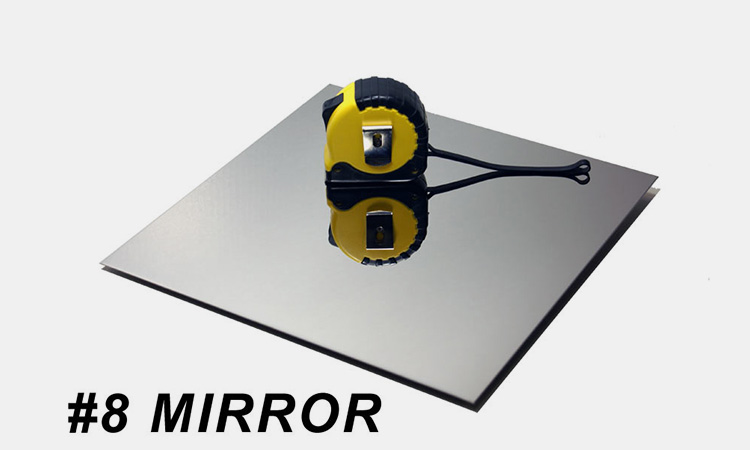
Mirror finish stainless steel is known for its smooth, highly reflective surface. It is widely used in architectural decoration, elevator panels, interior design, and other applications where appearance and surface quality matter. Mirror polishing is one of several stainless steel finishes used to achieve different surface appearances and performance requirements.
However, achieving a consistent mirror finish involves more than simply polishing stainless steel until it looks shiny. The original surface condition, abrasive selection, polishing stages, and processing conditions all influence the final result.
So, how is mirror-finish stainless steel produced? What is the difference between No. 7 and No. 8 finishes, and how can manufacturers achieve consistent results?
This guide explains the polishing process, common mirror finish grades, applications, and key factors to consider when selecting industrial polishing equipment.
1. How Is Mirror Finish Stainless Steel Made?
Achieving a mirror finish on stainless steel requires several stages of grinding and polishing. The goal is to gradually remove surface imperfections and produce a smooth, highly reflective surface with minimal visible polishing marks.
The exact process depends on the original surface condition, stainless steel grade, and required finish quality.
Surface Preparation
Before polishing, the stainless steel surface should be inspected for scratches, dents, oxidation, and other defects.
Depending on the initial condition, preliminary grinding may be required to remove visible imperfections and prepare the surface for finer polishing stages.
Progressive Abrasive Grinding
The stainless steel passes through a series of grinding stages using progressively finer abrasives.
Each stage reduces the scratches left by the previous one, gradually improving surface smoothness. Proper abrasive selection, grinding pressure, and feed speed are important for achieving consistent results.
Fine Polishing and Buffing
After grinding, finer polishing abrasives and suitable buffing materials are used to further refine the surface and improve reflectivity.
For high-quality No. 8 or 8K mirror finishes, additional polishing stages may be necessary to minimize visible scratches and achieve a clear, uniform reflection.
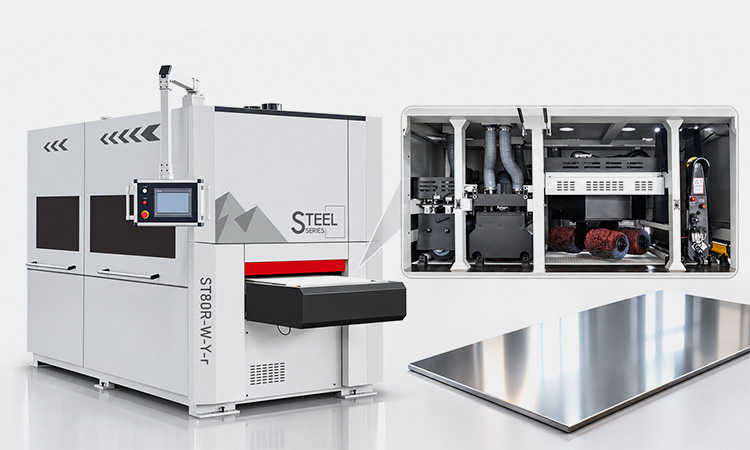
Industrial metal polishing machines can help maintain stable processing conditions, especially when working with large stainless steel sheets.
Final Surface Inspection
The finished surface is inspected for visible scratches, uneven polishing, cloudy areas, and reflection distortion.
For applications with specific quality requirements, manufacturers may also evaluate surface roughness and compare the finished material with approved reference samples.
A successful mirror finish requires more than high reflectivity. Consistent surface quality across the entire stainless steel sheet is equally important.
2. Mirror Finish Grades: No. 7, No. 8 and 8K
Not all mirror-polished stainless steel surfaces have the same level of reflectivity. Terms such as No. 7, No. 8, and 8K are commonly used to describe different polishing results, but their definitions and acceptance criteria may vary.
Understanding these differences helps manufacturers choose the right finish for their applications.
Common Mirror Finish Grades
| Finish | Surface Appearance | Typical Applications |
| No. 7 | Highly polished and reflective, but some fine polishing lines may remain visible | Decorative panels, architectural components |
| No. 8 | Very high reflectivity with minimal visible polishing marks | Premium decorative panels, elevators, reflective surfaces |
| 8K | Commercial term for a highly reflective mirror finish, often associated with No. 8 | Stainless steel sheets, interior decoration, architectural applications |
3. Is 8K the Same as No. 8?
In the stainless steel industry, 8K is often used to describe a mirror-polished surface similar to No. 8. However, the two terms should not automatically be treated as identical specifications.
No. 8 is a recognized finish designation in certain standards, while 8K is widely used as a commercial description. Actual surface quality may differ between suppliers.
For projects requiring a specific mirror appearance, buyers should confirm the applicable standard, acceptable polishing marks, surface quality requirements, and approved reference samples before production.
A clearly defined finish specification helps manufacturers achieve consistent results and avoid misunderstandings during quality inspection.
4. Mirror Finish vs. Brushed, Satin, and 2B Stainless Steel
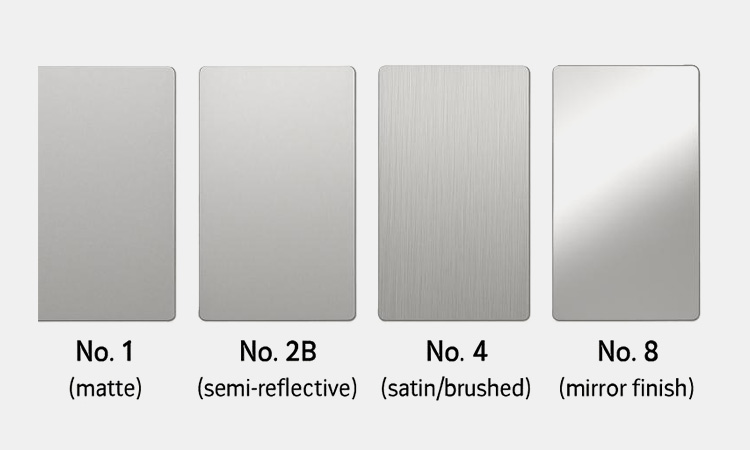
Mirror, brushed, satin, and 2B finishes offer different surface appearances and processing characteristics. Choosing the right finish depends on the desired look, application, and maintenance requirements.
Stainless Steel Finish Comparison
| Finish | Appearance | Typical Applications |
| Mirror | Highly reflective with a clear, mirror-like appearance | Decorative panels, elevators, premium interiors |
| Brushed | Visible directional grain patterns | Appliances, furniture, architectural panels |
| Satin | Soft, low-gloss appearance with a fine texture | Interior panels, commercial equipment |
| 2B | Smooth, moderately reflective mill finish | Industrial equipment, tanks, general fabrication |
5. Which Stainless Steel Finish Should You Choose?
If visual impact and high reflectivity are priorities, a mirror finish is often the preferred choice. It is particularly suitable for decorative applications where a polished appearance is important.
Brushed and satin finishes provide a more subdued appearance and may make minor fingerprints or surface marks less noticeable, depending on the texture and lighting.
A 2B finish is a practical option for industrial applications or as a starting surface for further processing.
For a broader overview, explore our guide to stainless steel finishes. If you are working with cold-rolled sheets, you can also learn more about the 2B stainless steel finish.
The best choice depends on balancing appearance, functionality, cleaning requirements, and processing costs.
6. Common Applications of Mirror Finish Stainless Steel
Mirror finish stainless steel is widely used in applications where appearance, reflectivity, and surface quality are important. Its highly polished surface creates a clean, modern look, making it particularly popular in architectural and decorative projects.
Architectural Decoration
Mirror-polished stainless steel is commonly used for wall cladding, decorative columns, and building entrances. Its reflective surface adds visual depth and creates a premium architectural appearance.
Elevator Panels
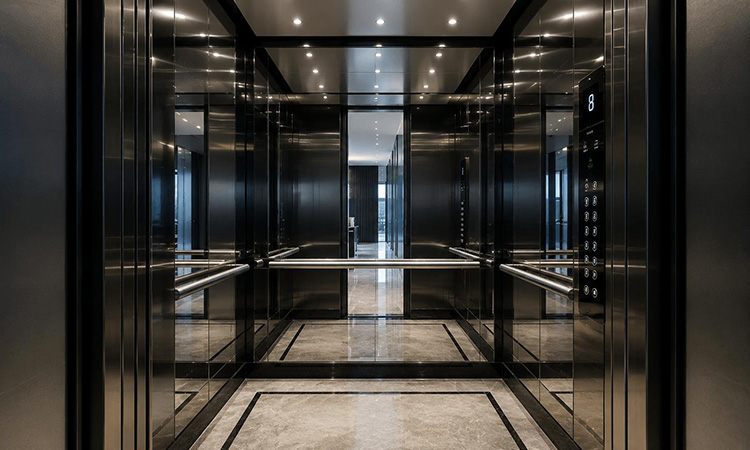
Elevator interiors often use mirror-finish stainless steel for wall panels, doors, and decorative trim. The reflective surface helps create a brighter, more spacious appearance, especially in compact elevator cabins.
Interior Design and Furniture
Mirror stainless steel is used in luxury interiors, furniture accents, retail displays, and decorative fixtures. It can complement glass, stone, and other materials while creating a modern visual effect.
Decorative Metal Components
Manufacturers also use mirror-polished stainless steel for signage, display panels, and custom metal components where a smooth, reflective finish is required.
For these applications, consistent polishing quality is essential. Visible scratches, cloudy areas, or uneven reflections can affect the appearance of the finished product, particularly on large stainless steel panels.
7. Common Mirror Polishing Defects and How to Avoid Them
Achieving a high-quality mirror finish is not always straightforward. Even small surface imperfections can become highly visible after polishing, especially on large stainless steel sheets.
Understanding common polishing defects helps manufacturers improve surface quality and reduce rework.
Visible Scratches
Scratches may remain when previous grinding marks are not completely removed before moving to finer abrasives.
How to avoid: Follow a suitable abrasive sequence and inspect the surface between grinding stages to ensure deeper scratches are removed.
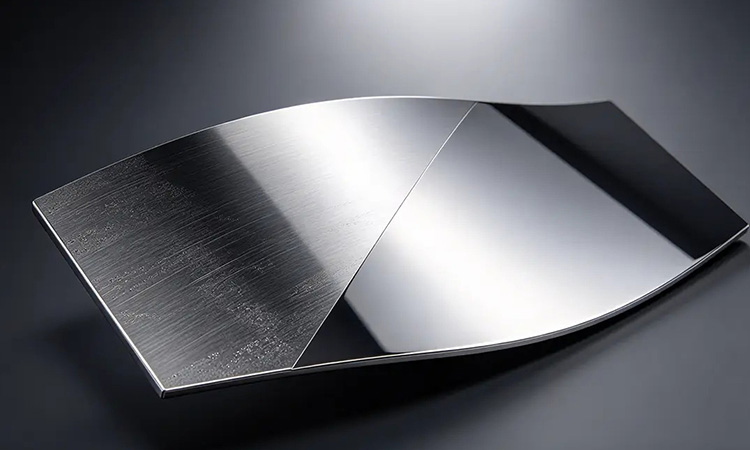
Cloudy or Hazy Surface
A cloudy appearance can result from incomplete polishing, unsuitable polishing materials, or inconsistent processing conditions.
How to avoid: Select appropriate polishing abrasives and maintain consistent pressure and processing speed throughout the polishing process.
Uneven Reflection
Some areas may appear brighter or more reflective than others due to uneven polishing pressure, inconsistent material removal, or variations in the original surface.
How to avoid: Maintain stable processing conditions and inspect surface uniformity across the entire sheet.
Surface Distortion
Thin stainless steel sheets may develop distortion due to excessive heat, mechanical stress, or unsuitable processing conditions.
How to avoid: Control polishing pressure, heat generation, and material handling, particularly when processing thin sheets.
8. Why Process Consistency Matters
For manufacturers producing No. 8 or 8K mirror finishes, stable machine operation and appropriate polishing parameters are essential.
Industrial sheet metal polishing machines can help improve processing consistency, reduce visible defects, and achieve more uniform results across large stainless steel sheets.
9. How to Choose a Stainless Steel Mirror Polishing Machine
Choosing the right mirror polishing machine is essential for achieving consistent surface quality and efficient production. Before investing in equipment, manufacturers should consider their material specifications, target finish, and production requirements.
Here are five important factors to evaluate.
Required Mirror Finish Quality
Start by defining the desired surface appearance. Producing a No. 8 or 8K mirror finish generally requires multiple grinding and polishing stages, depending on the original material condition.
Clear quality requirements and approved reference samples help ensure the finished surface meets expectations.
Stainless Steel Sheet Dimensions
Consider the maximum sheet width, length, and thickness your production requires. The machine should accommodate your workpieces while maintaining stable material feeding and processing.
Grinding and Polishing Configuration
Different surface conditions require different abrasive and polishing arrangements. A suitable machine configuration should support the necessary processing stages to achieve the required finish.
Production Capacity
Evaluate your expected daily output, processing speed, and production volume. For continuous sheet processing, stable operation and consistent finishing quality are especially important.
Surface Quality Consistency
A good polishing solution should deliver uniform results across the entire stainless steel sheet while minimizing visible scratches, cloudy areas, and uneven reflections.
Finding the Right Polishing Solution
ARMPRE provides industrial stainless steel polishing equipment capable of producing No. 8 / 8K mirror finishes with suitable machine configurations and processing conditions.
If you are planning a new polishing line or upgrading existing equipment, explore our stainless steel sheet polishing machine solutions or contact our team to discuss your material, target finish, and production requirements.
Frequently Asked Questions (FAQ):
Q1: Is No. 8 the same as 8K mirror finish stainless steel?
▼
No. 8 and 8K are often used to describe highly reflective stainless steel surfaces. However, 8K is primarily a commercial term, and actual finish quality may vary between suppliers. Buyers should confirm the required appearance and acceptance standards before ordering.
Q2:Can 304 and 316 stainless steel both achieve a mirror finish?
▼
Yes. Both 304 and 316 stainless steel can be polished to achieve a mirror-like surface. The final result depends on the original surface condition, polishing process, and required finish quality. The appropriate grade should be selected according to the application environment.
Q3:Can a 2B stainless steel sheet be polished to a mirror finish?
▼
Yes. A 2B stainless steel sheet can serve as a starting material for mirror polishing. Depending on its initial condition and the target finish, multiple grinding, fine polishing, and buffing stages may be required.
Q4: Is mirror finish stainless steel difficult to maintain?
▼
Mirror-polished stainless steel can show fingerprints, scratches, and water spots more easily than some textured finishes. Regular cleaning with suitable non-abrasive materials helps maintain its appearance. Avoid harsh cleaning tools that could damage the reflective surface.
Q5: Is mirror finish stainless steel more expensive than brushed or satin finishes?
▼
Generally, yes. Mirror finishing typically requires more grinding and polishing stages, finer abrasives, and additional processing time compared with brushed or satin finishes.
The final cost depends on the stainless steel grade, original surface condition, required mirror quality, and production volume. Using suitable industrial polishing equipment can help improve processing efficiency and reduce rework.
Ready to elevate your production quality?
Investing in a high-quality sanding machine is a decision that impacts your manufacturing precision and efficiency for the next 5 to 10 years. Don’t settle for instability. Choose a reliable partner to secure your competitive edge in surface finishing.