
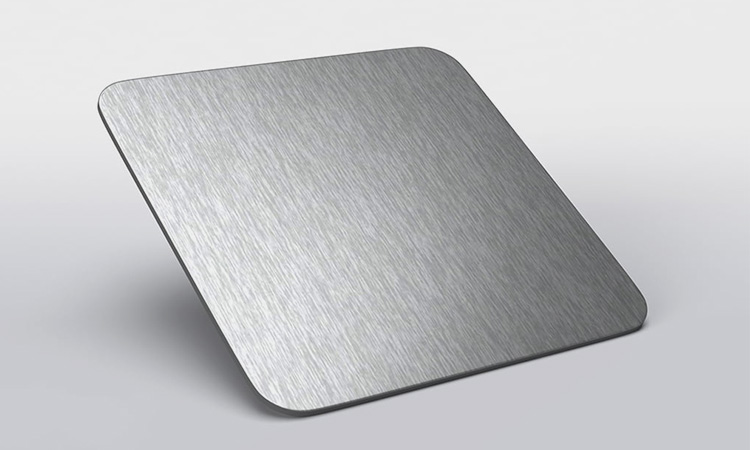
Satin finish stainless steel is a popular choice for manufacturers looking for a smooth, elegant surface without the strong reflections of a mirror finish. Its soft sheen and fine texture make it suitable for architectural panels, kitchen equipment, elevators, and decorative metal products.
However, achieving a consistent satin finish is not always as simple as it looks.
Uneven grain patterns, visible scratches, and differences in surface gloss can affect the appearance of finished stainless steel sheets. These problems become particularly noticeable when multiple panels are installed side by side.
For manufacturers, the real challenge is not just creating an attractive surface but maintaining the same finish quality across every sheet.
So, what exactly is satin finish stainless steel? How is it produced, and what factors influence the final result?
In this guide, we’ll explore its characteristics, finishing process, common applications, and practical ways to achieve consistent results in industrial production.
1. What Is a Satin Finish on Stainless Steel?
Satin finish stainless steel is a mechanically finished surface characterized by a soft, low-gloss appearance and a fine, uniform texture. Unlike mirror-polished stainless steel, it reflects light more diffusely, creating a smooth and understated look.
Depending on the finishing method, a satin surface may have subtle directional grain lines or a more evenly blended texture.
Key Characteristics of Satin Finish Stainless Steel
- Soft, low-gloss appearance:Provides an elegant finish without strong mirror-like reflections.
- Fine surface texture:Creates a consistent visual appearance across stainless steel sheets.
- Practical for everyday use:Fine textures may help make minor fingerprints and surface marks less noticeable than on highly reflective finishes.
- Versatile appearance:Suitable for both decorative and functional applications.
2. Is Satin Finish a Standard Stainless Steel Grade?
Satin finish describes a surface appearance rather than a specific stainless steel grade.
Although the term is widely used in the metal finishing industry, its exact texture, gloss level, and surface roughness may vary depending on the manufacturer and processing method.
For projects requiring consistent results, buyers should specify the desired grain pattern, surface appearance, and acceptable quality standards. Approved reference samples are particularly useful when ordering large quantities of stainless steel sheets.
To explore other surface options, see our guide to stainless steel finishes.
3. How Is Satin Finish Stainless Steel Made?
Satin finish stainless steel is typically produced through mechanical grinding, brushing, or abrasive finishing processes. The goal is to create a fine, uniform surface texture with a soft, low-gloss appearance.
The exact process depends on the original surface condition, stainless steel grade, and desired finish quality.
Surface Preparation
Before finishing, the stainless steel surface should be inspected for scratches, oxidation, and other visible defects.
Depending on the material condition, preliminary grinding may be necessary to remove imperfections and prepare the surface for further processing.
Abrasive Grinding
Abrasive belts are commonly used to refine the stainless steel surface and establish a consistent texture.
Selecting suitable abrasive grades is important. Coarser abrasives may leave visible grinding marks, while finer abrasives help produce a smoother appearance.
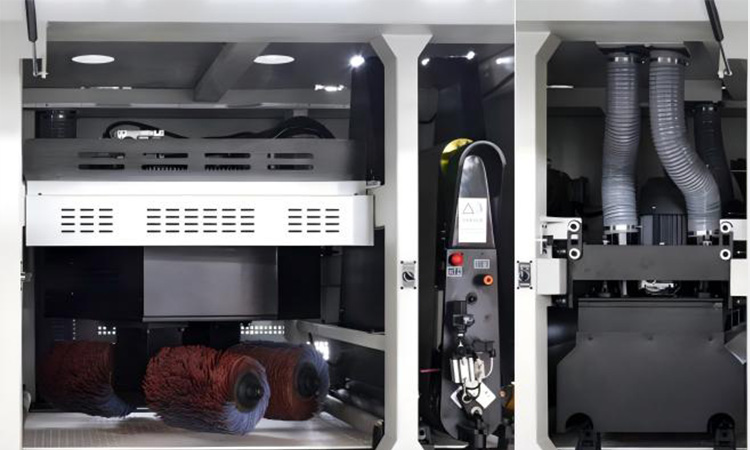
Fine Finishing and Brushing
After initial grinding, finer abrasive belts or brushing units can be used to create the desired satin texture.
The choice of abrasives, brushing materials, processing pressure, and feed speed influences the final surface appearance.
Industrial satin finishing machines help maintain stable processing conditions, particularly when processing large stainless steel sheets.
Final Surface Inspection
The finished surface should be checked for uneven grain patterns, visible scratches, inconsistent gloss, and other surface imperfections.
For projects with specific appearance requirements, comparing finished sheets with approved reference samples helps maintain consistent quality.
A successful satin finish is not simply about creating a smooth surface. It is about achieving a uniform texture and appearance across every stainless steel sheet.
4. Satin vs. Brushed, Mirror and 2B Stainless Steel
Satin, brushed, mirror, and 2B stainless steel finishes offer different surface appearances and processing characteristics. Choosing the right finish depends on the desired look, application, and maintenance requirements.
Stainless Steel Finish Comparison
| Finish | Surface Appearance | Typical Applications |
| Satin | Soft, low-gloss appearance with a fine, uniform texture | Architectural panels, elevators, kitchen equipment |
| Brushed | Visible directional grain lines with a textured appearance | Appliances, furniture, decorative metal panels |
| Mirror | Highly reflective, smooth surface with minimal visible polishing marks | Luxury interiors, elevator panels, decorative surfaces |
| 2B | Smooth, moderately reflective mill finish without a decorative grain pattern | Industrial equipment, tanks, general fabrication |
5. Is Satin Finish the Same as Brushed Stainless Steel?
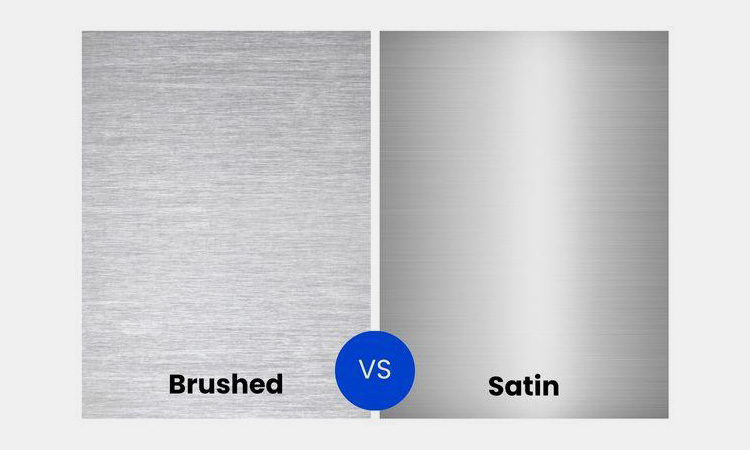
Satin and brushed finishes are closely related, and the terms are sometimes used interchangeably.
Both can be produced through mechanical abrasive finishing. However, brushed stainless steel typically emphasizes visible directional grain lines, while satin finish often describes a finer, more subdued appearance.
The exact difference depends on the finishing process and the supplier’s specifications.
6. Which Finish Should You Choose?
If you prefer a soft, elegant appearance without strong reflections, satin finish is an excellent option.
Brushed stainless steel is suitable when a more noticeable directional texture is desired, while mirror finish stainless steel creates a highly reflective decorative surface.
A 2B finish is often selected for general industrial applications or used as a starting material for further surface processing.
For projects where appearance matters, comparing physical samples is the most reliable way to select the desired finish.
7. Common Applications of Satin Finish Stainless Steel
Satin finish stainless steel is widely used in applications where appearance, durability, and ease of maintenance are important. Its soft, low-gloss surface offers a practical alternative to highly reflective finishes, making it suitable for both decorative and functional products.
Architectural Decoration
Satin-finished stainless steel is commonly used for wall panels, decorative columns, building entrances, and interior cladding. Its subtle appearance complements modern architectural designs without creating strong reflections.
Elevator Interiors
Elevator doors, wall panels, and decorative trim often feature satin stainless steel. The fine surface texture provides a clean, professional appearance and may help make minor fingerprints and surface marks less noticeable.
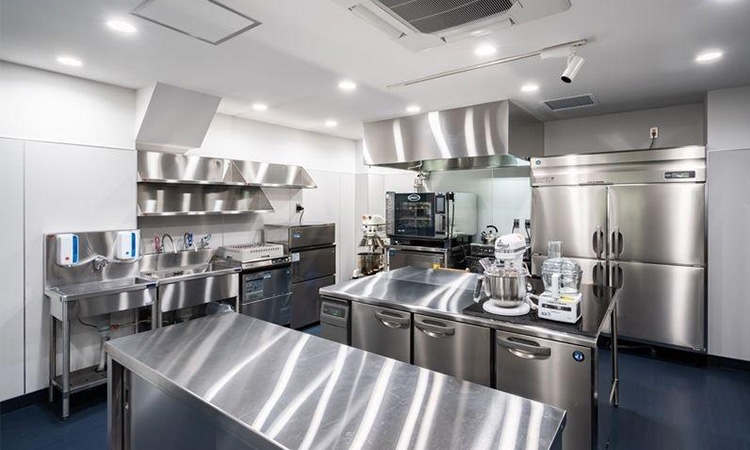
Kitchen and Food Processing Equipment
Satin finishes are frequently used on commercial kitchen equipment, countertops, cabinets, and stainless steel enclosures. Their understated appearance makes them suitable for environments where both functionality and visual consistency matter.
For food-contact applications, the surface finish must also meet the relevant hygiene and cleanability requirements.
Furniture and Interior Design
Satin stainless steel is used for furniture frames, decorative trims, shelving, and retail displays. Its soft metallic appearance works well with materials such as wood, glass, and stone.
Commercial and Industrial Equipment
Equipment housings, control cabinets, and decorative machine panels may also use satin-finished stainless steel to achieve a uniform, professional appearance.
Across these applications, consistent surface texture and gloss are particularly important when multiple stainless steel components are installed together.
8. Common Satin Finishing Problems and How to Avoid Them
Achieving a uniform satin finish can be challenging, especially when processing large stainless steel sheets or maintaining consistent quality across multiple production batches.
Even small differences in abrasives, processing pressure, or material condition can affect the final surface appearance.
Here are four common problems manufacturers may encounter.
Uneven Surface Texture
Some areas may appear rougher or smoother than others due to inconsistent grinding pressure, abrasive wear, or variations in the original material surface.
How to avoid: Maintain stable processing conditions, monitor abrasive wear, and inspect surface uniformity regularly.
Visible Scratches
Deep scratches may remain when the initial surface preparation is insufficient or when coarse grinding marks are not completely removed.
How to avoid: Follow a suitable abrasive sequence and ensure scratches from earlier processing stages are removed before fine finishing.
Inconsistent Surface Gloss
Differences in surface gloss can occur when abrasive materials, feed speed, or processing pressure vary during production.
How to avoid: Use consistent finishing parameters and compare finished sheets with approved reference samples.
Directional Grain Differences
When stainless steel panels are finished in different directions, their grain patterns may appear inconsistent after installation.
How to avoid: Maintain a consistent finishing direction and clearly specify grain orientation when producing panels for the same project.
9. Why Consistent Processing Matters
For manufacturers, a successful satin finish requires more than an attractive individual sheet. Every panel should meet the same visual quality requirements.
Suitable industrial finishing equipment, regular abrasive maintenance, and consistent quality inspection can help reduce defects and improve production reliability.
For applications requiring controlled directional grain patterns, industrial metal brushing machines can help manufacturers achieve more consistent surface textures.
10. How to Choose a Stainless Steel Satin Finishing Machine
Choosing the right satin finishing machine is important for achieving consistent surface quality and efficient production. Before investing in equipment, manufacturers should evaluate their material specifications, target surface appearance, and production requirements.
Here are five key factors to consider.
Required Surface Texture
Start by defining the desired satin appearance, including grain direction, texture fineness, and gloss level.
Since satin finish is not a single standardized surface specification, approved reference samples can help ensure the machine produces the expected results.
Stainless Steel Sheet Dimensions
Check the maximum width, length, and thickness of the stainless steel sheets you plan to process.
The machine should accommodate your workpieces while maintaining stable feeding and consistent surface contact.
Abrasive and Brushing Configuration
Different surface conditions and finishing requirements may require different abrasive belts, brushing materials, or processing stages.
A suitable machine configuration should support the required texture without leaving excessive grinding marks.
Production Efficiency
Consider your daily production volume, processing speed, and expected operating hours.
For continuous production, stable operation and practical abrasive maintenance are important factors in controlling processing costs.
Surface Consistency
A reliable finishing solution should produce uniform grain patterns and gloss across the entire sheet.
Consistent processing conditions are particularly important when manufacturing multiple panels for the same project.
Finding the Right Satin Finishing Solution
ARMPRE offers industrial satin finishing equipment for stainless steel sheet processing.
If you are planning a new production line or upgrading your existing finishing process, explore our satin finishing machines or contact our team to discuss your material dimensions, target surface texture, and production requirements.
Frequently Asked Questions (FAQ):
Q1: Is satin finish stainless steel the same as brushed stainless steel?
▼
Satin and brushed finishes are closely related, and the terms are sometimes used interchangeably. However, satin finish generally describes a softer, lower-gloss appearance, while brushed stainless steel often features more visible directional grain lines. The exact appearance depends on the finishing method and supplier specifications.
Q2:Can both 304 and 316 stainless steel have a satin finish?
▼
Yes. Both 304 and 316 stainless steel can be processed to achieve a satin finish. The final appearance depends on the original surface condition, abrasive selection, and finishing process. The choice between 304 and 316 should primarily depend on the application’s corrosion resistance requirements.
Q3:Can 2B stainless steel be converted into a satin finish?
▼
Yes. A 2B stainless steel sheet can be used as the starting material for satin finishing. Mechanical grinding or brushing processes can create the desired surface texture. Depending on the original material condition, additional surface preparation may be necessary.
Q4: Is satin finish stainless steel easy to maintain?
▼
Satin finish stainless steel is generally practical for everyday use. Its fine texture may make minor fingerprints and surface marks less noticeable than on highly reflective finishes. Regular cleaning with suitable non-abrasive materials helps maintain its appearance. When cleaning directional finishes, wiping along the grain is usually recommended.
Q5: How can manufacturers achieve a consistent satin finish across multiple stainless steel sheets?
▼
Consistent results require suitable abrasive materials, stable processing conditions, and regular quality inspection. Manufacturers should also define the required grain direction, texture, and gloss before production. Using approved reference samples helps maintain consistent appearance across different sheets and production batches.
Ready to elevate your production quality?
Investing in a high-quality sanding machine is a decision that impacts your manufacturing precision and efficiency for the next 5 to 10 years. Don’t settle for instability. Choose a reliable partner to secure your competitive edge in surface finishing.