
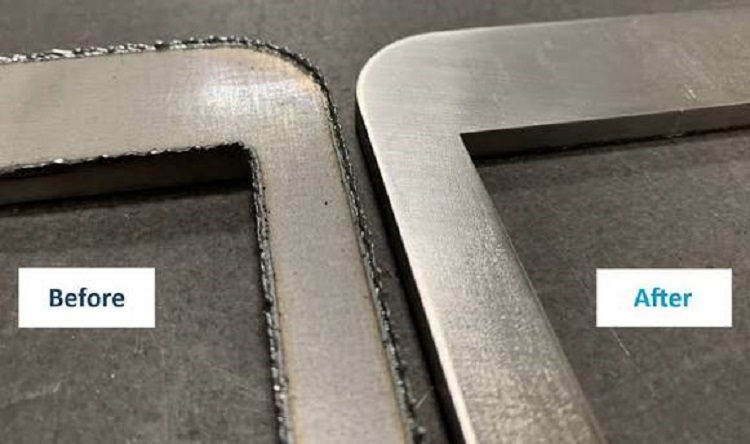
In the metalworking industry, deburring removes razor-sharp edges, rough burrs, and heavy cutting slag to protect downstream assemblies, paint finishes, and workers’ hands. Investing in an automated sheet metal deburring machine can greatly reduce inconsistent parts and exhausting handwork. This practical deburring guide covers burr basics, smart method comparisons, and machine selection to help your team choose and perform effectively.
1. Burr Types: How 4 Common Edge Defects Form
Burrs are unwanted rough edges or hardened metal slag in raw metals caused by high cutting pressure or intense heat. If left untreated, they may cause you great loss. There are 4 main burr types, including:
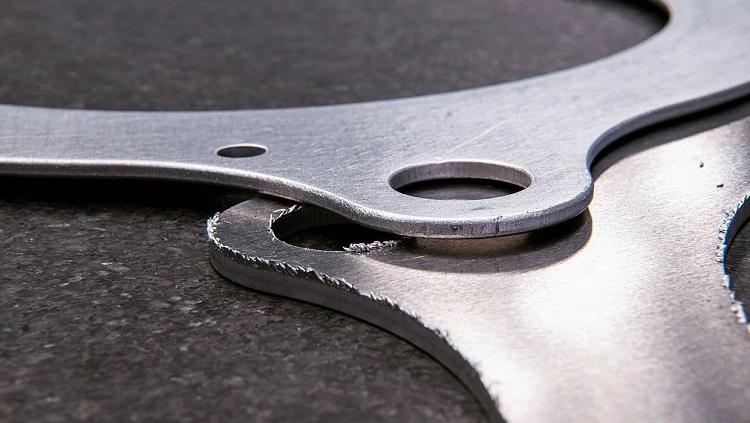
Poisson Burrs (Side Squeeze Burrs)
During metal cutting, rather than just cutting away, the metal would get squeezed when a cutting blade presses down with massive force. This kind of squeeze from cutting blades always brings your metal edge a razor-thin, sharp metal flash.
Rollover Burrs (Worn Tool Roll-Over)
In mechanical punching, blanking, and shearing, when punch blades get dull or the die gap is set too wide, rollover burrs occur. Moreover, the metal bending and stretching over the die edge would leave your metal with a curled, stubborn lip along the bottom side.
Tear & Breakout Burrs (Rough Breakaways)
During saw cutting and heavy stamping under heavy tension, your metal is left with a rough, jagged edge with tiny sharp teeth sticking out.
Thermal Recast Slag & Dross (Hardened Melted Metal)
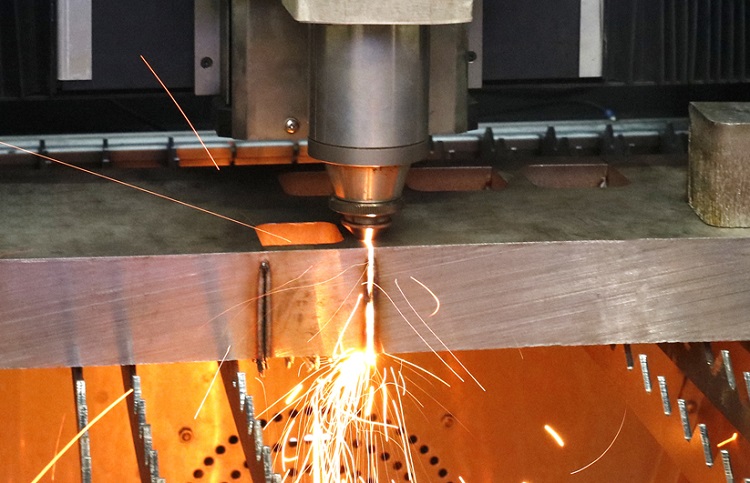
High-power laser, plasma, and flame cutters melt steel fast. If metal cools too quickly, the leftovers would create rock-hard slag bumps.
2. Why Deburring Matters?
The raw burrs and hard dross on cut parts, if left untreated would cause tiny rough spots that may snowball into frustrating rework. They may cause you:
Damaged Seals and Fluid Leaks
In hydraulic blocks, air valves, and pipe fittings, these burrs act like tiny razor blades that would slice seals. If under working pressure, the tiny cuts would cause oil and air leaks through the tiny cuts.
Electrical Sparking and Short Circuits
Inside electrical boxes, switch cabinets, and transformers, the sharp metal corners and burrs create strong electric points. The points may pull in high voltage, burn out the plastic wire insulation, and cause dangerous short circuits.
Broken Vacuum Cups and Vision Errors
The rubber suction is widely applied in automated robotic loaders now. However, the rough dross in metals would tear through the rubber pads and cause air leaks. The burrs also trick the inspection cameras, leading to vision errors.
Stress Cracks and Structural Breaks
In vehicle chassis, train brackets, and welded frames, the burrs create weak spots in the steel. After heavy bumps and vibrations, the hard force will cause the metal to break down on the road.
3. How to Choose: The 6 Industrial Deburring Methods
Different burr types require different deburring methods. To help you choose the easiest, fastest way to get clean, safe parts without wasting time or ruining your materials, you can follow the tips below:
Conveyor Belt Sanding & Brushing (Mechanical)
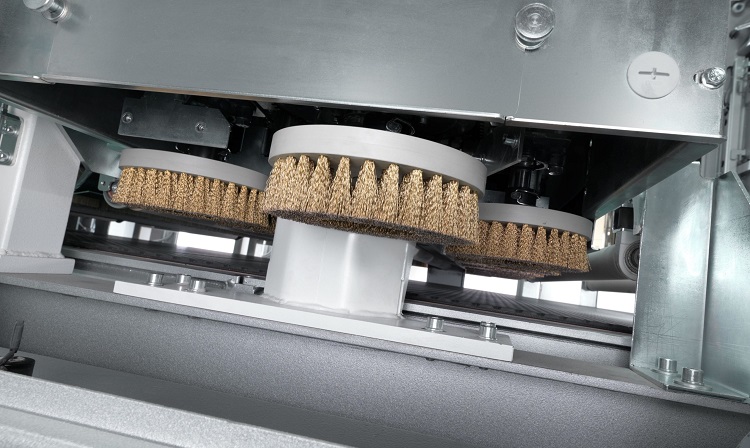
Perfect for flat sheet metal and laser-cut parts, the rotary brush deburring machine can quickly remove the sharp dross and rough slag. The metal brushing machine delivers both the outside corners and inner cut holes a soft, safe, smooth, rounded edge in a single pass.
Gas Flash Burning (Thermal Method)
By placing metals inside a strong metal container filled with a mix of gas and oxygen, the extreme heat inside can burn away the tiny metal burrs while keeping thick parts cool, safe, and completely unharmed.
Electric Bath Dissolving (Electrochemical)
Perfect for workpieces with holes and crossed passages deep inside pump blocks hard to reach, the ECD melts away burrs with a mild electric current in under a minute with zero banging, heat, or bending force.
Liquid Sandpaper Flow (Abrasive Flow)
By putting gritty, sanding materials into tight pipes, with heavy push and force, the sandy pastes rub away hidden sharp edges and polish the inner walls smoothly.
Tumbling in a Vibrating Bowl (Vibratory)
Dump your brackets, washers, or screws into a vibrating bowl full of small ceramic stones, water, and soap. When the vibrating bowl starts, everything rubs together. Finally, the stones gently take away sharp corners at once.
Freeze & Blast Cleaning (Cryogenic)
Using liquid nitrogen chills the parts down until edge flash freezes, then the tiny plastic beads are applied to snap the edges without leaving any scratch. This is perfect for delicate parts such as rubber gaskets, plastic pieces, and soft castings.
4. How Deburring Machines Work: 4 Tooling Stations
By lining up different tooling stations in one smooth, continuous pass, the deburring machine helps workpieces with knocking off thick slag, leveling edges, smoothing corners, and adding a clean, beautiful finish all at once.
Station 1: Heavy Slag Breaker
Acting as an integrated slag removal machine for plasma or flame torches, hard, crusty slag, the tough steel hammer taps the metal at high speed. This knocking shatters and breaks off the rock-hard slag before the sanding belts even touch it.
Station 2: Wide Sanding Belt
Acting like an electric hand plane and running smoothly with adjustable speeds, the wide sanding belt slices off tall, sharp laser burrs, wiping away dark, crusty heat scales, and provides a clean, flat satin base across the whole sheet.
Station 3: Rollers & Brushes
With groups of flexible sandpaper over the belt, the rollers reach around every corner, and give you a smooth, safe rounded curve up to R3.0 mm edges. The brushes sweep across the top of your sheet, reaching deep into the holes.
Station 4: Polishing & Graining
Applying soft polishing from up to down, and side to side, the polishing and graining system erases rough sanding scratches and leaves a silky, uniform Hairline brushed texture for your stainless steel or aluminum parts.
5. How to Remove Laser Oxide for Better Paint Adhesion?
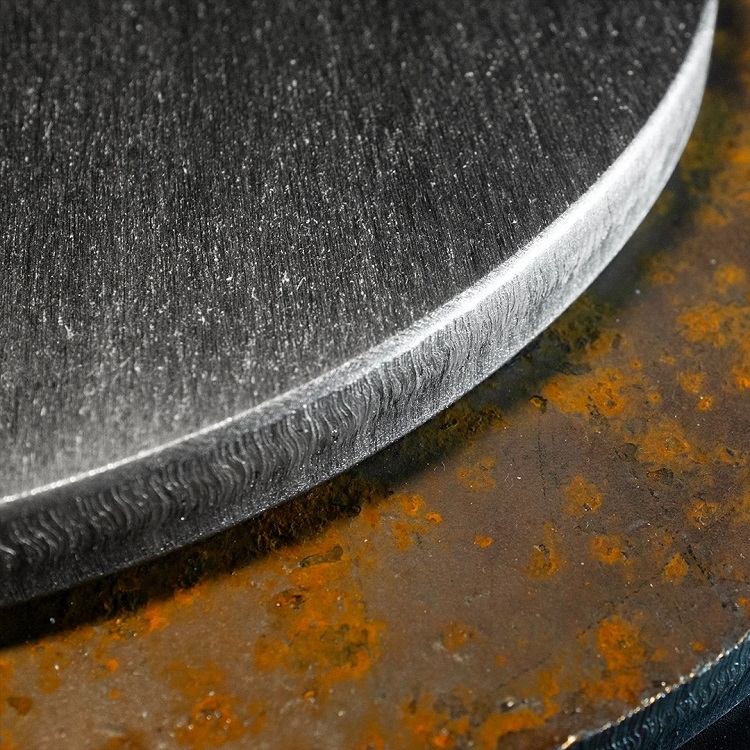
During carbon steel cutting with oxygen gas, the heat always leaves a thin, brittle black layer along the cut side. It is the laser oxide. Sticking tightly to the clean metal underneath, if left untreated, it will cause painting and powder coating failure. So, how to remove laser oxide for better paint adhesion? At first, you need to know:
Why Regular Sanding Belts Miss It
Regular sanding belts only brush the top surface of a metal sheet. They cannot touch and reach the inner side holes and vertical sides of the cut.
How Steel Wire Brushes and Flap Wheels Fix It
To clean those vertical edges without thinning your sheet metal, you can choose the wire disc brushes or flexible sandpaper flap wheels. With the fast-spinning hitting the vertical sides from every angle, the laser oxide removal can strip away the hard black crust entirely. So the paintings and powder coatings can stay tight forever.
6. Deburring Standards: What Makes a Good Edge?
In metal manufacturing, deburring and cleaning edges are not just for making metals look good. It is more about keeping your parts consistent and safe. So what makes a good edge? Here are the standards for you:
ISO 13715 Drawing Rules (Safe Edge Limits)
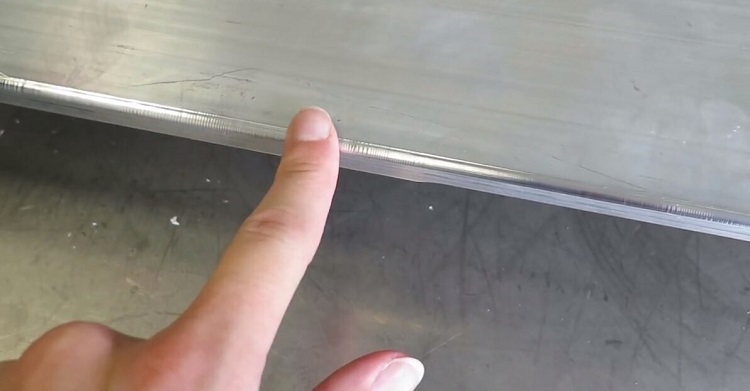
Manufacturers always want sharp burrs gone without losing the part’s real size. So ISO 13715 allows your parts to have a tiny sliver of metal off (between -0.1 mm and -0.5 mm). In the end, you can get clean edges while your precision-cut plates stay within exact tolerances.
DIN EN 1090 & ISO 12944 (Paint That Lasts)
If you put a paint or powder coating on a sharp 90℃ steel corner, the surface tension pulls the paint away and leaves you with a dangerously thin dry film. The heavy steel building codes and rules require the outer corners to be at least R2.0 mm.
Everyday Inspection Tools on the Shop Floor
There are some tools for you to check parts before shipping.
- Radius Leaf Gages: The handy pocket steel templates (R0.5 mm, R1.0 mm, R2.0 mm, R3.0 mm) can help you right against the edge for a fast, tactile yes/no check on the line.
- Optical Laser Scanners: It is a camera-guided laser scanners that can make sure whether the rounded profile is smooth and even.
- Surface Roughness Pens (Ra/Rz): The handheld needle probes that slide across sheet metal to check metal surface roughness satin finish on kitchen stainless steel).
7. Dry vs. Wet Deburring: Which Deburring Do You Need?
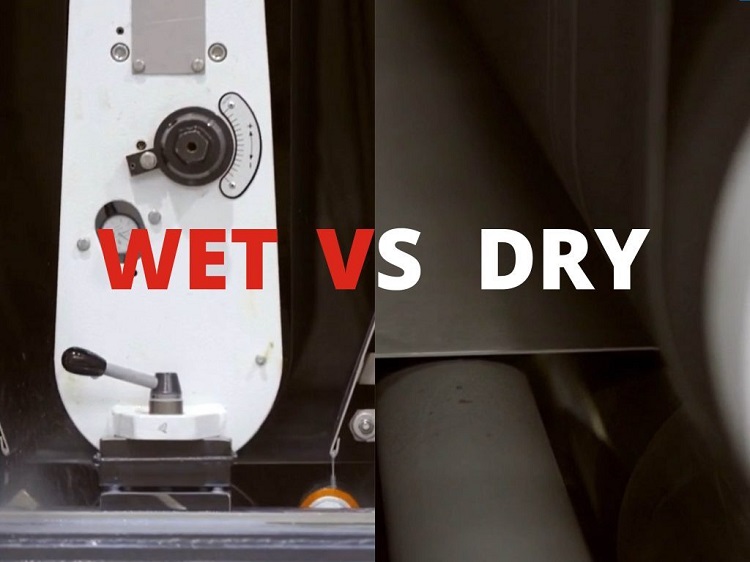
Wet and dry deburring are both important methods for your workshop’s daily safety, clean air, and part quality.
Dry Deburring (The Everyday Workshop Workhorse)
As the affordable choice for carbon steel, structural plates, and copper, dry deburring delivers your sheets completely dry, clean, and ready to go straight to the next welding or powder coating without any extra cleaning. During dry sanding, there may be hot flying sparks and airborne dust. So it is better to have a dust collector.
Wet Deburring (Built for Light Alloys and Thin Sheets)
Built with a heavy-duty stainless steel water tank and pump system that washes your parts with liquid coolant, wet deburring is perfect for lightweight metals like aluminum, magnesium, or titanium. By washing away dangerous metallic dust right at the cutting point, they keep your floor safe from combustible dust explosions while ensuring you ultra-thin sheets down to 0.5 mm are completely flat without any heat bending or warping.
8. How to Choose a Deburring Machine: 4 Steps
Choosing a right deburring machine can greatly improve your metal manufacturing efficiency and protect your labor workers. So to make sure you get the right deburring machine without wasting budget, follow these four straightforward steps:
STEP 1: Match Your Part Sizes and Daily Speed
Be clear about the largest plates you cut each week and how fast your lasers produce them. The standard deburring machine can handle widths like 630 mm, 1000 mm, and 1300 mm (with extra-wide custom frames up to 3250 mm) with sheets from 0.5 mm thin metal up to 100 mm thick. With adjustable conveyor speeds from 0.5 to 5 m/min, you can easily match your plates with different configurations.
STEP 2: Keep Small Parts Firmly in Place
For large metal sheets over 150 mm, they can travel steadily across tough rubber conveyor belts. However, for small stamped parts or laser brackets down to 50 x 50 mm, they may slip if under strong sanding pressure. So you need to combine a strong vacuum suction table or a built-in magnetic belt to lock parts flat during processing.
STEP 3: Pick the Right Sanding Heads for Your Plates
Always choose the right tool stations and working heads on the plates you make everyday. If you need simple surface descaling, then you can go with dual wide belts. You can pair a wide belt with flexible flap rollers for soft, rounded edges on laser blanks. For sheets full of perforated holes, the rotating disc brushes are your best choice. For thick plasma slag, you need a heavy slag hammer. For thin, heat-sensitive sheets, choose a wet deburring system.
STEP 4: Check for Smart Energy and Part Protection
Deburring machines with permanent magnet drive motors always deliver your metals strong power while cutting your factory electric bills by over 50%.
9. How Long Do Consumables Last, and What Is the Cost Per Part?
Knowing how long the consumables last, you can control your real monthly savings.
Long-Lasting Sanding Belts
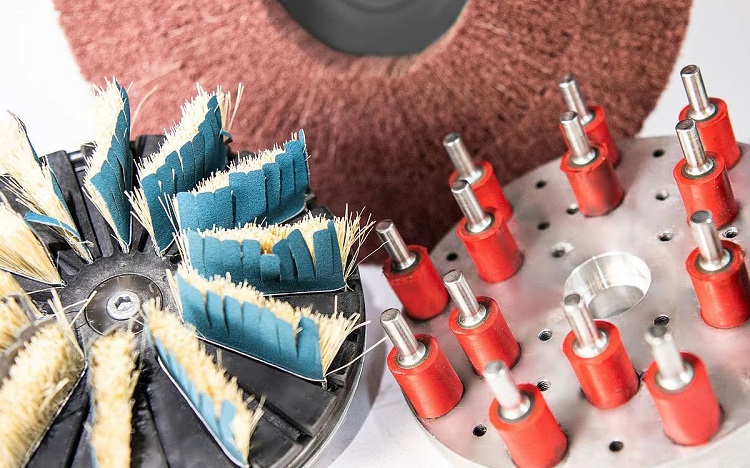
Generally, the premium ceramic and zirconia wide belts can deliver 80 to 120 hours of steady grinding. Designed with a simple change system, you can switch the old belts with a fresh one in less than two minutes. This greatly reduces your production line downtime.
Durable Edge-Rounding Brushes
For flexible Scotch-Brite rollers and rotary disc brushes, they can last through 300 to 500 working hours of daily parts. As the brushes naturally wear down, the smart touchscreen controls sanding heads by tiny fractions of an inch to ensure the value of every single abrasive strip.
True Running Cost Per Part
The total cost of power savings, belt changes, and normal dust filter upkeep is just $0.02 to $0.05 per part. It is a small part of your labor costs.
10. Cost & ROI: Why Deburring Machines Pay Off
Compared with manual grinding, the automated deburring machine not only ensures you clean edges and surfaces; it makes every single downstream process run smoother, faster, and with fewer mistakes. They can bring you:
Making Downstream Work Effortless and Accurate
Smoothly rounded edges keep your tooling safe and prevent sheet corners from cracking even under tight bends. Efficient deburring and finishing also keep weld seams clean and free of dark slag pockets. Even more, they deliver smooth corners that keep powder coatings tight and even around every edge without chipping or peeling.
Real Savings and Rapid Payback
The automated deburring machine can greatly save your business. One single deburring machine can match the daily output of four to six workers using manual angle grinders. They ensure you lower payroll costs, zero paint rework, and high-efficiency finishing. Cutting power bills by over 50%, the deburring machine ensures you recoup your entire equipment investment in just 6 to 12 months.
Conclusion
Upgrading from exhausting manual grinding to an automated deburring machine is one of your best investments for your workshop. The automated deburring can take away messy, unpredictable bottlenecks, and turn it into a smooth daily routine, and give your hard-working team a cleaner, safer, and quieter place to work every day. If you are looking for the right deburring machine for your parts, contact our engineering team for the best solution.
FAQ
Q1: How can galvanized sheet metal be deburred without stripping the zinc protective barrier?
▼
For galvanized sheet metal, to avoid heavy, stiff sanding belts destroying the zinc layer, you can choose disc brushes with soft, fine-grit sandpaper strips. By applying gentle brushing across the edges and hole corners, they can knock away razor-sharp cutting burrs cleanly and fast, while keeping the protective top and bottom zinc surfaces completely smooth and untouched.
Q2: What belt speeds work best for grinding tough carbon steel versus polishing stainless steel?
▼
To get the best results for carbon steel and stainless steel, you can give each metal the right belt speed:
For Tough Carbon Steel (Fast and Strong)
For dark mill scale, hardened rust, and heavy torch slag from thick steel plates, you can apply 18 to 22 m/s sanding and brushing speed for deburring machine under good tension. The sharp abrasive grains can bite away the hard crust without slowing down your production line.
For Stainless Steel (Slow and Gentle)
You can put a clean, uniform No.4 satin grain or silky Hairline finish on stainless steel. Because stainless steel requires much gentler touch. Slowing down the sanding belt down to 8 to 14 m/s, the deburring machine can keep metal cool without spots on the sheet.
Q3:How does grinding heat affect thin metal parts during long, busy work shifts?
▼
With continuously metal deburring and finishing across day and night shifts, the friction builds up a lot of heat that may bend or melt the thin metal sheets. In the end, your sheet metal may lose shape and tolerances.
To keep parts completely flat from heats during heavy production runs, you can ease up on the pressure and stagger, giving the steel a quick moment to breathe.
Or you can switch to a wet deburring machine. The cold liquid coolant system can wash away the friction heat and keep your metal plates cool, completely flat.
Q4: Why do thin metal sheets get ground down too much around the edges, and how do you fix it?
▼
If the sheet metal is too thin (under 1.0mm), it is easy to round the edges too far or eat away the metal’s true shape.
For this problem, you can raise your brush station up just a touch—around 0.5 mm to 1.0 mm. So the brushes will gently sweep across the corners rather than digging deep into the steel. Nextly, you can speed up the conveyor belt to a brisk 3 to 5 m/min.
Q5: What safety rules do you need to follow when collecting aluminum and magnesium dust?
▼
Under strict international workshop safety standards (like NFPA 484 and ATEX rules), dry dust from aluminum, titanium, and magnesium needs to be treated seriously. Easy to catch fire, those metal particles are dangerous. To keep your shop floor and your team safe, you need to:
Using a Dry Dust Collector
The heavy-duty spark arrestor can catch hot embers and stop static electricity from sparking inside the unit.
Switching to A Wet Deburring System
With continuous water washing over parts right where the sanding happens, the fire hazard can be eliminated.
Ready to elevate your production quality?
Investing in a high-quality sanding machine is a decision that impacts your manufacturing precision and efficiency for the next 5 to 10 years. Don’t settle for instability. Choose a reliable partner to secure your competitive edge in surface finishing.