
Stainless steel is widely used in industrial equipment, architectural panels, kitchen appliances, and metal fabrication. However, not all stainless steel surfaces look or perform the same.
Some have a smooth, low-gloss appearance, while others feature directional brushed textures or highly reflective mirror finishes. These differences are created through different manufacturing and surface finishing processes.
Choosing the right stainless steel finish is about more than appearance. It can also affect surface roughness, cleaning requirements, corrosion performance in specific applications, and the suitability of the material for further processing.
In this guide, we’ll explore the most common types of stainless steel finishes, how they are produced, and what to consider when selecting a finish for your application.
1. Common Types of Stainless Steel Finishes
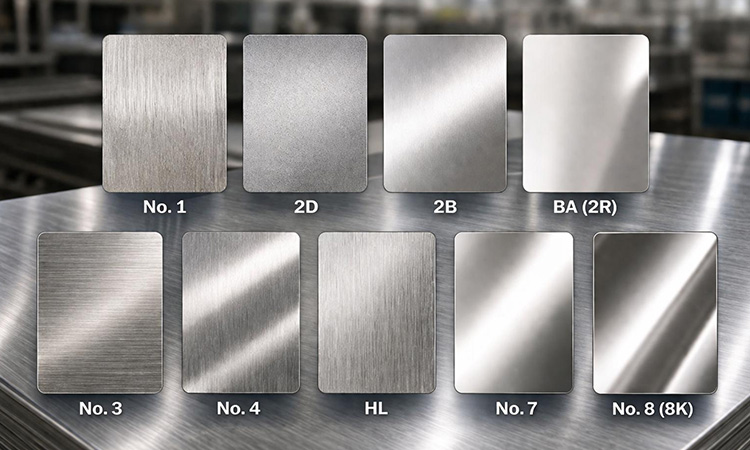
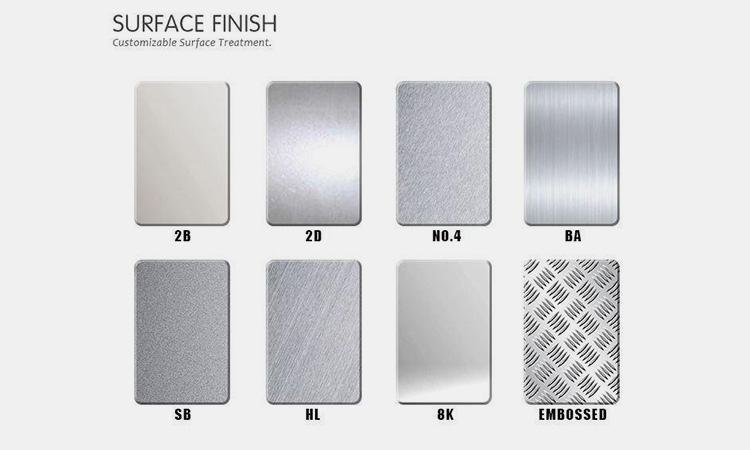
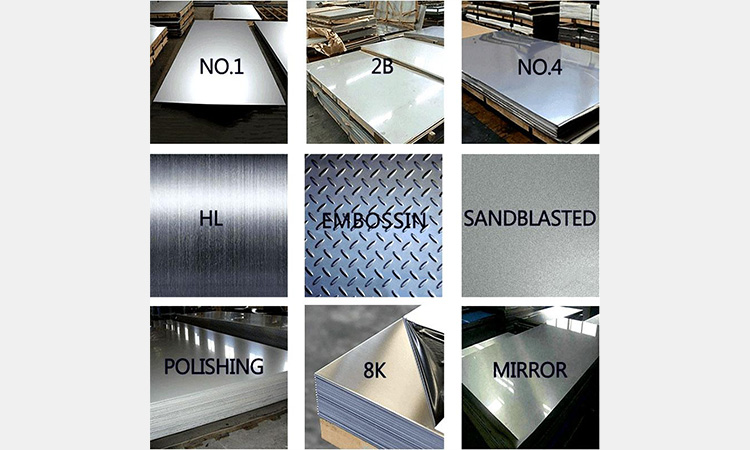
Stainless steel comes in different surface finishes, each offering distinct textures, reflectivity, and appearance. The most common options include:
2B Finish
A 2B finish has a smooth, relatively uniform surface with a moderate sheen. It is produced through cold rolling, annealing, pickling, and a final light rolling pass. It is widely used in industrial equipment, tanks, and general fabrication.
Bright Annealed (BA) Finish
BA stainless steel is heat-treated in a controlled atmosphere to maintain a bright, reflective surface. It is commonly used in household appliances, automotive components, and decorative products.
No. 4 Finish
No. 4 features fine, directional grinding lines and a satin-like appearance. It is typically produced through mechanical abrasive finishing and is widely used in kitchen equipment, elevators, and architectural panels. For industrial production, a suitable satin finishing machine can help achieve consistent surface textures on stainless steel sheets.
Brushed Finish
Brushed stainless steel has visible directional grain patterns created using abrasive belts or brush wheels. It is popular for decorative panels, furniture, appliances, and architectural applications. Manufacturers can use an industrial metal brushing machine to produce uniform directional grain patterns on stainless steel sheets.
Satin Finish
A satin finish offers a soft, low-gloss appearance with a relatively smooth texture. Its final look depends on the finishing method and abrasive selection. It is commonly used in interior decoration and commercial equipment.
Mirror Finish
Mirror-finished stainless steel has a highly reflective surface achieved through multiple stages of grinding and polishing. It is often used in decorative panels, architectural components, and high-end interior applications.
No. 8 Finish
No. 8 is a highly polished, mirror-like surface produced through fine mechanical polishing and buffing. It is commonly selected for applications requiring high reflectivity and a premium appearance.
Bead Blasted Finish
Bead blasting uses fine media, such as glass beads, to create a uniform, non-directional matte surface. It is commonly used for decorative components and equipment housings.
2. How Are Stainless Steel Finishes Produced?
Different stainless steel finishes are achieved through manufacturing, mechanical finishing, and chemical treatment processes. The choice depends on the desired appearance and application requirements.
Rolling and Annealing
Rolling controls the thickness and initial surface condition of stainless steel. Annealing helps restore material properties through controlled heat treatment. These processes are essential for producing common finishes such as 2B and BA.
Abrasive Belt Grinding
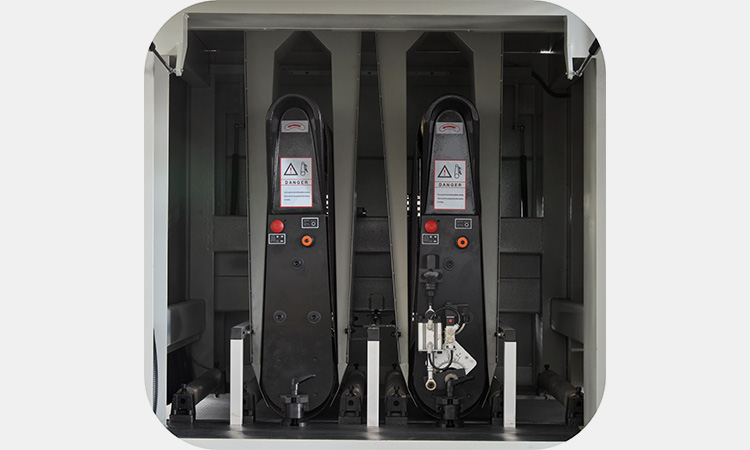
Abrasive belt grinding uses moving abrasive belts to remove surface irregularities and refine metal textures. Abrasive grit, pressure, and feed speed all influence the final result.
It is widely used to prepare stainless steel sheets for further finishing and to achieve consistent surface textures.
For large-scale production, sheet metal finishing equipment can help improve processing efficiency and surface consistency.
Brushing and Surface Conditioning
Brushing uses abrasive belts or brush wheels to create directional grain patterns. Consistent processing is important for achieving uniform textures, especially on large stainless steel sheets and panels.
Mechanical Polishing
Mechanical polishing uses progressively finer abrasives to improve surface smoothness and reflectivity. Multiple polishing stages may be required to achieve a high-quality mirror finish. For applications requiring higher surface smoothness and reflectivity, an industrial metal polishing machine can be used for multi-stage finishing.
Bead Blasting
Bead blasting projects fine media, such as glass beads, onto stainless steel to create a uniform, non-directional matte appearance.
Pickling and Passivation
Pickling removes oxide scale and surface contamination, while passivation helps remove free iron contamination and supports the formation of the protective passive layer. Both are chemical treatments commonly used after welding or fabrication.
3. Stainless Steel Finish Comparison
Different stainless steel finishes offer different levels of smoothness, reflectivity, and surface texture. The right choice depends on the product’s appearance, application, and manufacturing requirements.
The following table highlights the key differences between common stainless steel finishes.
| Finish Type | Appearance | Surface Texture | Common Applications |
| 2B | Smooth, low-gloss | Relatively uniform | Industrial equipment, tanks |
| BA | Bright, reflective | Smooth | Appliances, automotive components |
| No. 4 | Satin-like, directional | Fine grinding lines | Kitchen equipment, elevators |
| Brushed | Directional, textured | Visible linear grain | Decorative panels, furniture |
| Satin | Soft, low-gloss | Fine, subtle texture | Interior panels, commercial equipment |
| Mirror | Highly reflective | Very smooth | Architectural decoration |
| No. 8 | Mirror-like, highly reflective | Fine polished surface | Decorative and reflective panels |
| Bead Blasted | Matte, non-reflective | Uniform, non-directional | Equipment housings, decorative parts |
While some finishes may look similar, their manufacturing processes and surface characteristics can differ. For example, No. 4 and brushed finishes both feature directional grain patterns, while mirror finishes require additional polishing to achieve higher reflectivity.
4. How to Choose the Right Stainless Steel Finish
Choosing the right stainless steel finish depends on more than appearance. The intended application, surface requirements, maintenance needs, and manufacturing process should all be considered.
Here are five important factors to evaluate:
Appearance Requirements
Consider whether the product needs a smooth, brushed, satin, or highly reflective surface. Decorative applications often require more attention to texture and visual consistency.
Application Environment
Consider where the stainless steel will be used. Industrial equipment, kitchen surfaces, and architectural panels may have different surface requirements.
Cleaning and Maintenance
Smooth surfaces are generally easier to clean, while textured finishes may require more attention to remove dirt from surface grooves.
Surface Quality Requirements
Some applications require specific surface roughness, uniform grain patterns, or high reflectivity. These requirements should be established before selecting the finishing process.
Manufacturing Cost and Process
Different finishes require different processing steps, abrasive materials, and production time. Consider the required finish quality alongside processing efficiency and cost.
The best stainless steel finish is the one that meets the product’s functional, visual, and manufacturing requirements.
5. How to Achieve Different Stainless Steel Finishes with Industrial Finishing Machines
Achieving the desired stainless steel finish requires suitable abrasive materials, stable processing conditions, and the right finishing equipment.
Industrial finishing machines can help manufacturers process stainless steel sheets efficiently while maintaining consistent surface quality.
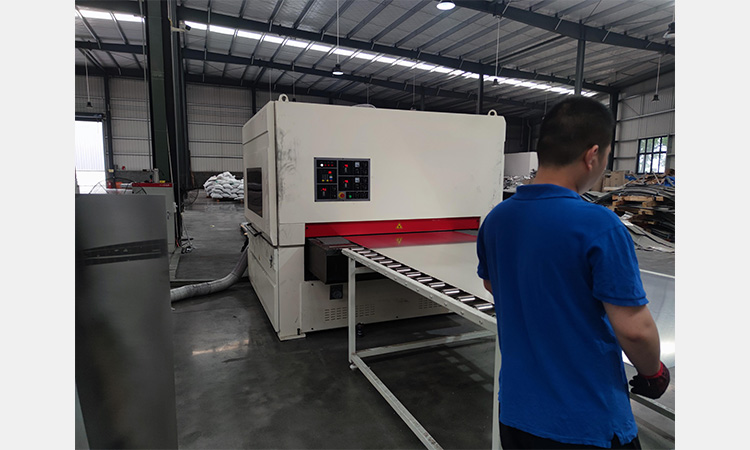
Abrasive Belt Grinding
Abrasive belt grinding is commonly used to remove surface irregularities, refine textures, and prepare stainless steel sheets for further finishing. The abrasive grit and processing parameters determine the final surface appearance.
Brushing
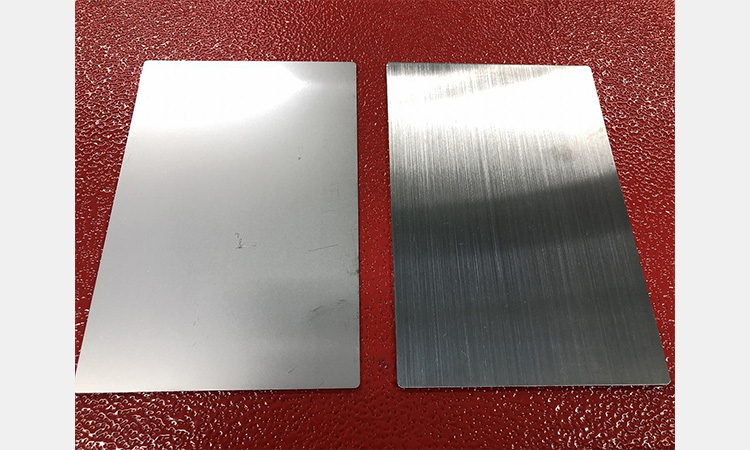
Brushing machines use abrasive belts or brush units to create uniform directional grain patterns. Consistent processing helps maintain the appearance of large stainless steel sheets and decorative panels.
Mechanical Polishing
Mechanical polishing uses progressively finer abrasives to improve surface smoothness and reflectivity. It is particularly useful when producing polished stainless steel products with higher appearance requirements.
Selecting the Right Finishing Machine
The appropriate machine depends on the stainless steel grade, sheet dimensions, desired surface finish, material thickness, and production volume.
Depending on the required surface appearance and production volume, you can consider different solutions, including a stainless steel sheet polishing machine for sheet surface finishing.
Conclusion:
Stainless steel finishes vary in appearance, texture, and manufacturing processes. From standard 2B and BA finishes to brushed, satin, and mirror surfaces, each option serves different product and application requirements.
Understanding these differences helps manufacturers select suitable finishing methods and achieve the desired surface quality.
Looking for a suitable solution for stainless steel sheet finishing? ARMPRE can help evaluate your workpiece requirements and recommend appropriate surface finishing equipment.
Request a Technical Proposal to discuss your material, sheet dimensions, desired finish, and production needs.
Frequently Asked Questions (FAQ):
Q1: What are the most common types of stainless steel finishes?
▼
Common stainless steel finishes include 2B, BA, No. 4, brushed, satin, mirror, No. 8, and bead-blasted finishes. Each offers different surface characteristics and applications.
Q2:What is the difference between 2B and No. 4 stainless steel?
▼
A 2B finish has a smooth, relatively uniform appearance, while No. 4 features visible directional grinding lines and a satin-like texture.
Q3:What is the difference between brushed and mirror stainless steel?
▼
Brushed stainless steel has visible directional grain patterns and a relatively low-gloss appearance. Mirror stainless steel is polished to achieve a highly reflective surface.
Q4: How do you achieve a consistent brushed finish on stainless steel?
▼
A consistent brushed finish requires suitable abrasive materials, controlled processing conditions, and stable grinding direction and pressure.
Ready to elevate your production quality?
Investing in a high-quality sanding machine is a decision that impacts your manufacturing precision and efficiency for the next 5 to 10 years. Don’t settle for instability. Choose a reliable partner to secure your competitive edge in surface finishing.