
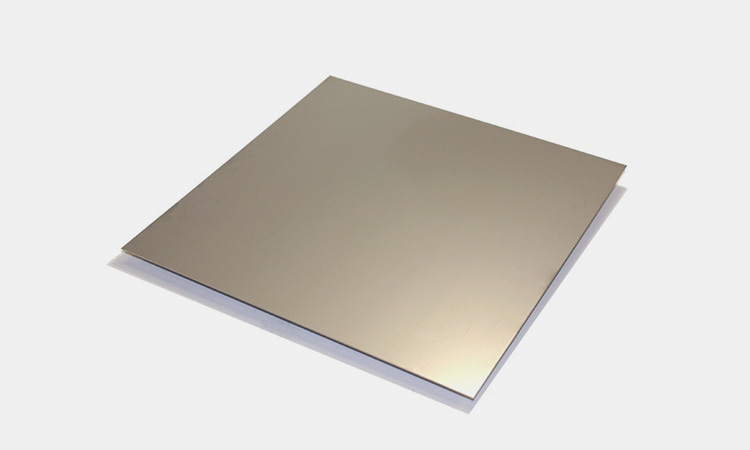
Stainless steel is available in different surface finishes, and 2B is one of the most widely used options for cold-rolled stainless steel sheets. It features a smooth, relatively uniform surface with a soft, moderate sheen.
Because of its practical appearance and versatility, 2B stainless steel is commonly used in industrial equipment, storage tanks, food processing equipment, and general metal fabrication.
But what exactly does a 2B finish mean? How is it produced, and how does it compare with other stainless steel finishes? This guide explains its characteristics, manufacturing process, and common applications.
1. How Is 2B Stainless Steel Finish Produced?
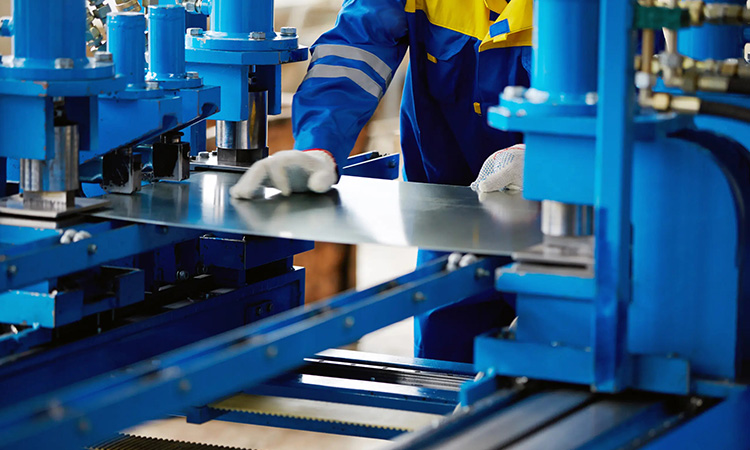
Manufacturers produce a 2B finish through a series of cold-rolling and surface-treatment processes. The typical manufacturing process involves four main steps:
Cold Rolling
Stainless steel passes through rollers to reduce thickness and improve surface uniformity.
Annealing
The material is heat-treated to restore ductility and relieve stresses caused by cold rolling.
Pickling
The surface is treated to remove oxide scale formed during heat treatment, leaving a clean metal surface.
Skin Passing
The stainless steel passes through polished rolls under light pressure to achieve the final smooth and uniform 2B surface appearance.
The combination of these processes produces the smooth, moderately reflective surface commonly found on 2B stainless steel sheets.
2. Key Characteristics of 2B Finish
A 2B finish offers a practical combination of smoothness, uniformity, and moderate reflectivity. Its main characteristics make it suitable for a wide range of industrial applications.
| Characteristic | Description |
| Appearance | Smooth with a soft, moderate sheen |
| Surface Texture | Relatively uniform and fine |
| Reflectivity | Moderate, not mirror-like |
| Surface Condition | Suitable for further processing |
| Versatility | Widely used in industrial and general fabrication |
One of the main advantages of 2B stainless steel is its versatility. It provides a suitable starting surface for many applications where a highly decorative finish is not required.
3. Common Applications of 2B Stainless Steel
Thanks to its smooth surface, practical appearance, and versatility, 2B stainless steel is widely used across different industries.
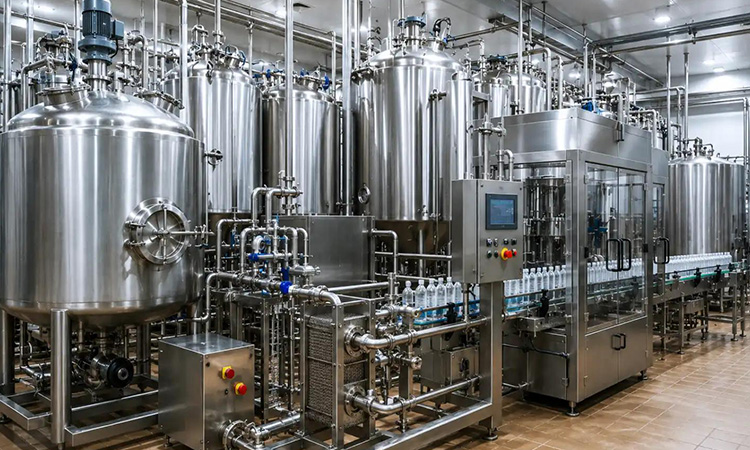
Common applications include:
Industrial Equipment
Used in machinery housings, processing equipment, and industrial components where a uniform, functional surface is required.
Storage Tanks and Containers
Suitable for stainless steel tanks, vessels, and containers used in industrial production and storage.
Food Processing Equipment
Commonly used in food processing machinery and equipment where smooth surfaces support routine cleaning and maintenance. Actual hygienic requirements depend on the application and applicable standards.
General Metal Fabrication
Often selected for sheet metal components, enclosures, and fabricated parts that may undergo further cutting, forming, welding, or surface finishing.
The final choice depends on the stainless steel grade, operating environment, and required surface condition.
4.2B vs. 2D vs. BA vs. No. 4 Stainless Steel Finishes
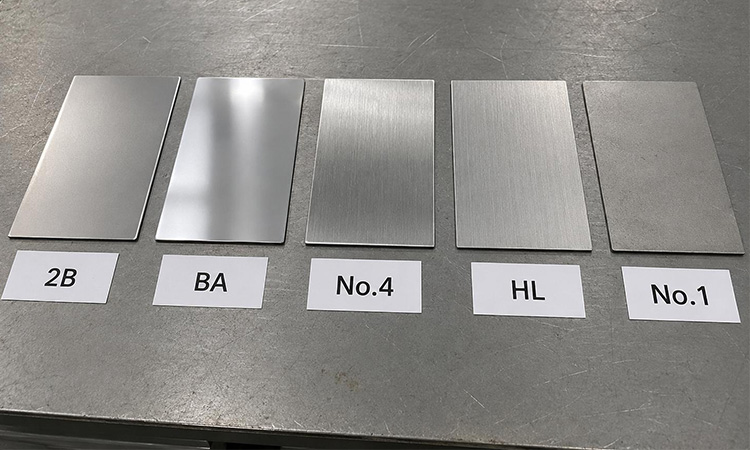
Although these stainless steel finishes may look similar at first, they differ in appearance, surface texture, and manufacturing processes.
| Finish | Appearance | Surface Characteristics |
| 2B | Smooth, moderately reflective | Fine and relatively uniform |
| 2D | Dull, low-gloss | Smooth but less reflective |
| BA | Bright and reflective | Smooth, bright surface |
| No. 4 | Satin-like appearance | Visible directional grinding lines |
The main difference is how each surface is produced and finished. While 2B, 2D, and BA are common mill finishes, No. 4 is produced through additional mechanical finishing.
The right option depends on the desired appearance, application, and further processing requirements.
5. Can 2B Stainless Steel Be Further Finished?
Yes. 2B stainless steel sheets can undergo additional mechanical finishing to achieve different surface appearances and textures.
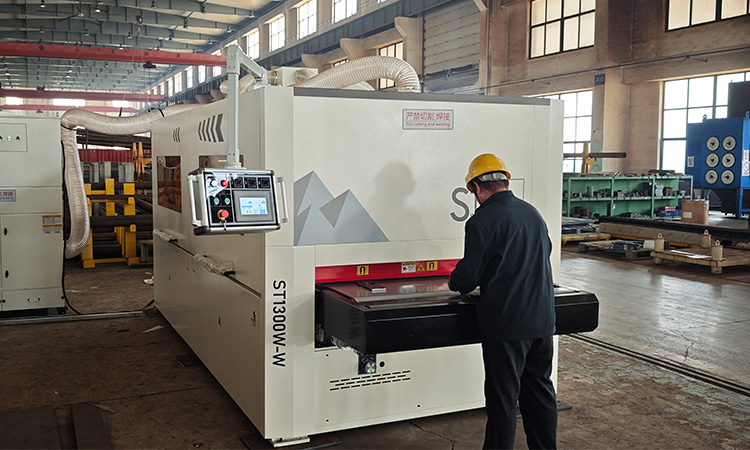
Common finishing methods include:
Abrasive Belt Grinding
Abrasive belt grinding removes surface irregularities and refines the original surface. The abrasive grit and processing conditions influence the final texture. For industrial production, sheet metal finishing machines can help achieve consistent surface quality across stainless steel sheets.
Brushing
Brushing creates directional grain patterns, producing brushed or hairline-style finishes commonly used for decorative stainless steel panels. Industrial metal brushing machines can help create uniform directional grain patterns on stainless steel sheets.
Satin Finishing
Satin finishing produces a uniform, low-gloss surface with a soft texture, depending on the abrasive materials and finishing process. For applications requiring a consistent low-gloss appearance, satin finishing machines offer a suitable mechanical finishing solution.
Mechanical Polishing
Mechanical polishing uses finer abrasives to improve surface smoothness and reflectivity, making it suitable for applications requiring a more polished appearance.
The appropriate finishing process depends on the original surface condition, desired appearance, and production requirements. Industrial finishing machines can help manufacturers achieve consistent results across stainless steel sheets. Depending on the required surface quality, industrialmetal polishing machines can be used to produce smoother and more reflective stainless steel surfaces.
6. Does 2B Finish Affect Corrosion Resistance?
A 2B finish does not automatically provide higher corrosion resistance. The corrosion performance of stainless steel mainly depends on its grade, chemical composition, and service environment.
However, surface condition also plays an important role.
Surface Cleanliness: Contamination, especially free iron particles, can contribute to surface corrosion.
Surface Roughness: Rougher surfaces may retain contaminants and moisture more easily.
Surface Damage: Scratches and embedded particles can affect surface condition and increase maintenance requirements.
For applications exposed to corrosive environments, selecting a suitable stainless steel grade and maintaining a clean surface are essential. Additional treatments, such as pickling and passivation, may also be required depending on the application.
7. How to Specify 2B Stainless Steel When Purchasing
When purchasing 2B stainless steel sheets, buyers should specify more than just the surface finish. Clear material and dimensional requirements help suppliers provide suitable products and avoid misunderstandings.
Consider the following factors:
Stainless Steel Grade
Specify the required grade, such as 304 or 316, according to the application environment and corrosion resistance requirements.
Sheet Thickness and Dimensions
Provide the required thickness, width, and length to ensure the material meets fabrication and production needs.
Surface Finish
Clearly state that a 2B finish is required. If specific appearance or surface roughness requirements apply, include them in the purchase specification.
Applicable Standards
Specify the relevant material and product standards, such as ASTM or EN, to ensure that the supplied material meets the required specifications.
Additional Processing Requirements
If the sheets will undergo further grinding, brushing, polishing, or other fabrication processes, communicate these requirements before ordering.
A clear purchasing specification helps buyers select suitable 2B stainless steel sheets and ensures better coordination between material suppliers and manufacturers.
2B is one of the most widely used stainless steel finishes, offering a smooth, uniform surface suitable for various industrial applications.
When a different appearance or surface texture is required, 2B stainless steel can undergo further grinding, brushing, or polishing.
ARMPRE provides industrial finishing equipment for stainless steel sheet processing. Contact our team to discuss your material, desired surface finish, and production requirements.
Request a Technical Proposal to find a suitable finishing solution for your application.
Frequently Asked Questions (FAQ):
Q1: Is 2B stainless steel shiny or dull?
▼
2B stainless steel has a smooth surface with a moderate sheen. It is not as reflective as BA or mirror finishes.
Q2:Is 2B stainless steel suitable for food processing equipment?
▼
Yes. 2B stainless steel is commonly used in food processing equipment. However, the appropriate surface finish depends on hygiene requirements, cleaning procedures, and applicable industry standards.
Q3:What is the difference between 2B and BA stainless steel?
▼
Both are smooth, cold-rolled finishes. BA stainless steel generally has a brighter, more reflective appearance because it is annealed in a controlled protective atmosphere.
Q4: Can 2B stainless steel be polished or brushed?
▼
Yes. 2B stainless steel sheets can undergo additional grinding, brushing, or polishing to achieve different surface textures and appearances.
Ready to elevate your production quality?
Investing in a high-quality sanding machine is a decision that impacts your manufacturing precision and efficiency for the next 5 to 10 years. Don’t settle for instability. Choose a reliable partner to secure your competitive edge in surface finishing.