
When choosing stainless steel for your project, surface finish can make a bigger difference than you might expect.
If you’re still exploring different stainless steel finishes, understanding the available surface options can help you narrow down your choice.
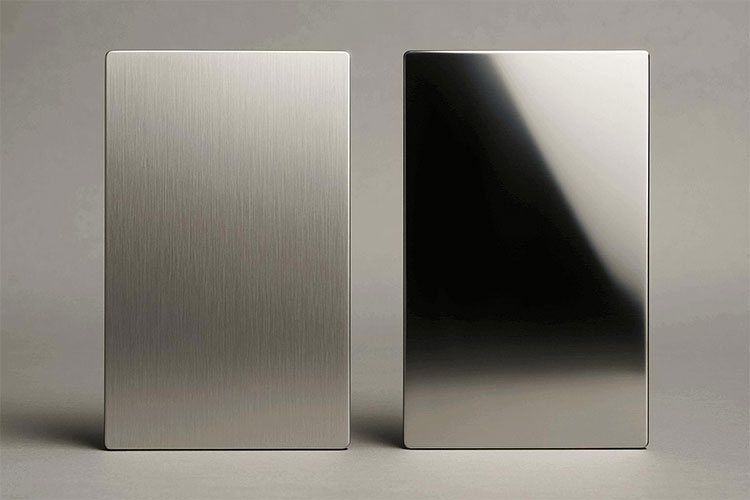
Brushed and polished stainless steel are both popular choices, but they create very different looks. A brushed finish offers a subtle, textured appearance, while a polished finish provides a smoother surface with varying levels of shine.
So, which one is right for your application?
The answer depends on more than appearance. Cleaning, maintenance, processing costs, and how the finished product will be used all play a role.
For manufacturers, there is another important consideration: how to achieve the desired finish consistently across multiple parts or stainless steel sheets.
In this guide, we’ll compare brushed vs polished stainless steel, explore their practical differences, and help you choose the finish that best suits your project.
1. What Is Brushed Stainless Steel?
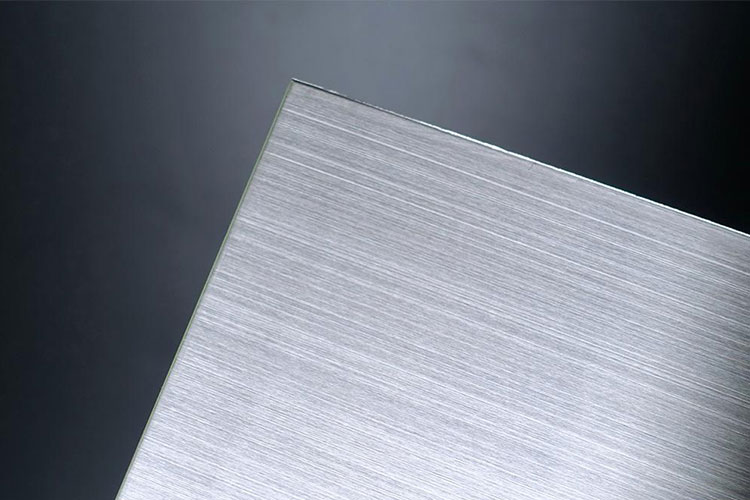
Brushed stainless steel has a distinctive surface texture created by fine, directional lines. Unlike a highly polished surface, it has a softer appearance with less noticeable reflections.
You have probably seen this finish on kitchen appliances, elevator panels, furniture, or decorative metal products. It gives stainless steel a clean, modern look without making the surface overly shiny.
Brushed stainless steel is sometimes compared with a satin finish, although the two are not always identical.
Key Features of Brushed Stainless Steel
- Visible grain patterns:Fine lines run across the surface, usually in a consistent direction.
- Subtle appearance:The textured finish creates a more understated look than highly reflective polished surfaces.
- Practical for everyday use:Minor fingerprints and light surface marks may be less noticeable, depending on the texture and lighting.
- Versatile applications:Commonly used for appliances, architectural panels, furniture, and industrial equipment.
One important detail is that not all brushed finishes look the same. The grain pattern, texture, and final appearance depend on the abrasives and finishing process used.
For manufacturers, defining the desired surface appearance before production helps ensure consistent results across different parts and batches.
2. What Is Polished Stainless Steel?
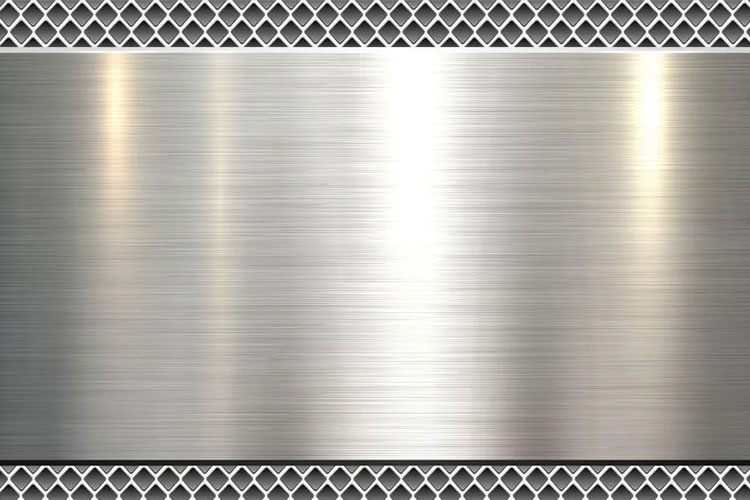
Polished stainless steel has a refined surface created through mechanical grinding and polishing processes. Depending on the finishing method, it can range from a smooth, slightly reflective appearance to a highly reflective mirror finish.
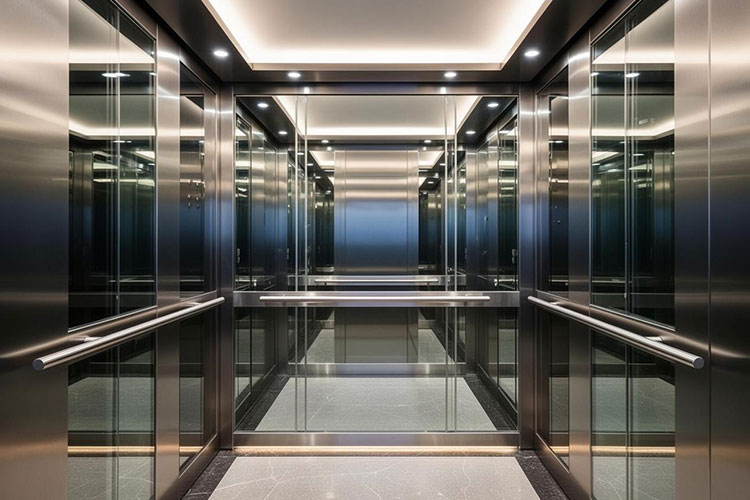
You may have seen polished stainless steel on decorative panels, elevator interiors, furniture, and architectural features. Its clean, bright appearance makes it a popular choice when surface aesthetics are important.
Key Features of Polished Stainless Steel
- Smooth appearance:Polishing reduces visible surface imperfections and creates a more refined finish.
- Different levels of shine:The final surface can range from moderately reflective to mirror-like.
- Decorative appeal:Polished surfaces are often chosen for products where appearance plays an important role.
- Flexible finishing options:The polishing process can be adjusted to achieve different surface quality requirements.
Does Polished Stainless Steel Always Mean Mirror Finish?
Not necessarily. Mirror finish is a highly reflective type of polished stainless steel, but not every polished surface reaches that level of reflectivity.
For manufacturers, the important thing is to define the desired appearance before production rather than simply requesting a “polished finish.” Clear specifications and reference samples help avoid misunderstandings and achieve consistent results.
3. Brushed vs Polished Stainless Steel: Key Differences
The biggest difference between brushed and polished stainless steel is their surface appearance. Brushed stainless steel has visible grain lines and a softer look, while polished stainless steel generally has a smoother appearance with varying levels of shine.
However, appearance isn’t the only factor worth considering.
Brushed vs Polished Stainless Steel Comparison
| Feature | Brushed Stainless Steel | Polished Stainless Steel |
| Appearance | Fine, directional grain lines | Smooth, refined appearance |
| Reflectivity | Usually low to moderate | Varies from moderate to mirror-like |
| Surface Texture | Visible brushed pattern | Finer polishing marks or minimal visible texture |
| Fingerprints | May be less noticeable | More visible on highly reflective surfaces |
| Scratches | Minor marks may blend into the grain | Scratches may stand out on glossy surfaces |
| Maintenance | Clean along the grain direction | Use suitable non-abrasive cleaning materials |
| Typical Applications | Appliances, furniture, architectural panels | Decorative panels, elevators, polished metal components |
Which Difference Matters Most?
For most buyers, the choice comes down to appearance and everyday use.
If you prefer a subtle finish that blends well with modern interiors, brushed stainless steel is often a practical option. Its directional texture can help make minor surface marks less noticeable.
If you want a brighter, more reflective appearance, polished stainless steel may be a better choice, particularly for decorative applications.
Keep in mind that neither finish is automatically better in every situation. The final result depends on the specific surface quality, application, and maintenance requirements.
4. Which Finish Is Better for Your Application?
Choosing between brushed and polished stainless steel depends on where and how the finished product will be used. Both finishes have their advantages, but the right choice should balance appearance, practicality, and maintenance.
Kitchen Appliances and Equipment
Brushed stainless steel is often a practical choice for kitchen appliances, cabinets, and equipment panels. Its subtle texture may help make everyday fingerprints and minor surface marks less noticeable.
Polished stainless steel can also be used when a brighter, more decorative appearance is preferred.
Architectural and Elevator Panels
For wall panels, elevator interiors, and decorative building features, both finishes are popular.
Brushed stainless steel offers a clean, understated appearance, while highly polished surfaces can create a brighter, more reflective environment.
Furniture and Interior Design
Brushed finishes work well with modern furniture, shelving, and metal frames where a subtle metallic texture is desired.
Polished stainless steel is often selected for decorative accents, display fixtures, and furniture components that need a more eye-catching appearance.
Industrial and Commercial Equipment
For machine enclosures, control cabinets, and industrial panels, brushed stainless steel can provide a consistent, professional appearance.
Polished finishes may be preferred when specific surface quality, cleaning, or appearance requirements call for them.
Making the Right Choice
There is no single finish that works best for every application.
If possible, compare actual brushed and polished samples under the lighting and conditions in which your product will be used. This simple step can help you avoid unexpected differences in appearance after installation.
5. How Are Brushed and Polished Finishes Made?
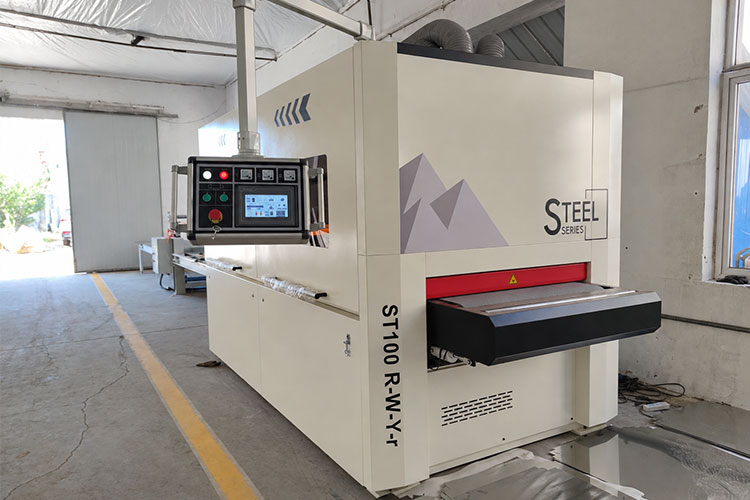
Brushed and polished stainless steel are both produced using abrasive finishing processes. The main difference lies in how the surface is treated and the appearance manufacturers want to achieve.
How Is Brushed Stainless Steel Made?
Brushed stainless steel is typically produced using abrasive belts or brushes that create fine, directional lines across the metal surface.
For consistent results in production, a metal brushing machine can help create uniform grain patterns across stainless steel sheets and suitable metal components.
The process generally involves:
- Surface preparation:Removing unwanted marks or imperfections when necessary.
- Brushing:Using suitable abrasives to create a consistent grain pattern.
- Final inspection:Checking the grain direction, texture, and overall surface uniformity.
For manufacturers working with stainless steel sheets, maintaining a consistent brushing direction and finish across each batch is especially important.
How Is Polished Stainless Steel Made?
Polishing focuses on refining the metal surface to achieve the desired smoothness and shine.
Depending on the starting condition and required finish, the process may involve several abrasive stages, progressing from surface preparation to finer polishing.
A highly reflective mirror finish usually requires more finishing steps than a moderately polished surface.
A suitable metal polishing machine can help manufacturers achieve the required surface appearance with more consistent processing results.
Why Does the Finishing Equipment Matter?
Whether you need a uniform brushed texture or a bright polished surface, the right equipment helps improve processing consistency.
For businesses handling large quantities of stainless steel sheets or metal components, choosing suitable brushing or polishing machinery can also reduce manual finishing work and support more repeatable results.
6. Brushed vs Polished Stainless Steel: Cost, Cleaning and Maintenance
Appearance matters, but what happens after installation is just as important. Before choosing a finish, it’s worth considering how much it costs to produce and how easy it will be to maintain.
Which Finish Costs More?
There isn’t a fixed answer.
A highly reflective mirror polish generally requires more processing steps than a standard brushed finish, which can increase production costs. However, a carefully controlled brushed pattern can also require additional work.
The final cost depends on the starting surface condition, required finish quality, part size, and production volume.
Which Is Easier to Clean?
Both finishes can be cleaned with a soft cloth and a suitable stainless steel cleaner.
For brushed stainless steel, wiping along the grain helps maintain a consistent appearance. Highly polished surfaces may show fingerprints and water spots more clearly, so they may need more frequent wiping to keep their shine.
What About Scratches and Long-Term Maintenance?
Neither finish is completely scratch-resistant.
Fine scratches may be less noticeable on a brushed surface because they blend into the existing texture. On a highly reflective polished surface, similar marks can be easier to see.
Our suggestion: If the product will be touched frequently or used in a busy environment, consider maintenance alongside appearance. A beautiful finish should also be practical for the people using it every day.
7. Choosing the Right Stainless Steel Finishing Equipment
If you’re producing stainless steel sheets or metal components in large quantities, achieving the right finish is only part of the challenge. You also need consistent results from one piece to the next.
The best equipment depends on your desired surface appearance, workpiece dimensions, and production requirements.
For Brushed Stainless Steel
A metal brushing machine is a practical choice when you need a consistent, directional grain pattern.
When selecting equipment, consider the required brushing texture, working width, and whether the machine can handle your typical workpieces.
For Polished Stainless Steel
A metal polishing machine is designed to refine the surface and achieve different levels of smoothness and shine.
The equipment and processing steps will depend on the starting surface condition and whether you need a moderately polished appearance or a highly reflective finish.
What Should You Check Before Buying?
Before choosing a machine, it’s helpful to confirm:
- Material and dimensions:What type and size of stainless steel will you process?
- Desired finish:Do you have a reference sample or specific appearance requirement?
- Production volume:How many parts or sheets do you need to finish?
- Surface consistency:Do you need the same appearance across repeated production batches?
If your production mainly involves flat stainless steel sheets, you can also explore our sheet metal polishing machine for sheet finishing applications.
At ARMPRE, we understand that every finishing project has different requirements. Sharing your workpiece details and desired finish with our team is a good starting point for finding a suitable solution.
Conclusion: Which Stainless Steel Finish Should You Choose?
When comparing brushed vs. polished stainless steel, the best choice depends on your project’s appearance, application, and maintenance requirements.
Brushed stainless steel is a great option for a subtle, modern look with visible grain patterns. Polished stainless steel offers a smoother appearance and greater flexibility in achieving different levels of shine.
Neither finish is right for every project. The key is choosing a surface that looks good and works well for its intended use.
Need help achieving the right stainless steel finish? Discuss Your Finishing Requirements
At ARMPRE, we provide metal brushing and polishing equipment for different surface finishing needs. Share your material, workpiece dimensions, and desired finish with our team, and we’ll help you explore a suitable solution for your production.
Frequently Asked Questions (FAQ):
Q1: Is brushed stainless steel the same as satin stainless steel?
▼
Not exactly. Both finishes can have a soft, low-reflection appearance, but brushed stainless steel typically has visible directional grain lines. Satin finishes may have a finer, more uniform texture. The exact appearance depends on the finishing process, so comparing physical samples is the best way to tell them apart.
Q2:Can brushed stainless steel be polished to a mirror finish?
▼
Yes, in many cases. However, the existing brushed texture must be removed through suitable grinding and polishing steps before achieving a highly reflective surface. The amount of work required depends on the original surface condition and the desired finish quality.
Q3:Can brushed and polished stainless steel be used outdoors?
▼
Yes. Both finishes can be used outdoors when the stainless steel grade and surface condition are suitable for the environment. For coastal or highly corrosive locations, material selection and proper maintenance are especially important. The finish alone does not determine corrosion resistance.
Q4: Can you change the finish of an existing stainless steel part?
▼
Often, yes. Stainless steel surfaces can be refinished through brushing, grinding, or polishing. However, the result depends on the part’s shape, thickness, existing surface condition, and accessibility. Testing a sample first is recommended, especially for decorative or high-value components.
Q5: How can manufacturers ensure a consistent stainless steel finish?
▼
Start with clear finish requirements and an approved reference sample. Then choose suitable abrasives, equipment settings, and processing methods. Regular inspection and consistent production conditions help reduce visible differences between parts and batches.
Ready to elevate your production quality?
Investing in a high-quality sanding machine is a decision that impacts your manufacturing precision and efficiency for the next 5 to 10 years. Don’t settle for instability. Choose a reliable partner to secure your competitive edge in surface finishing.